Acre
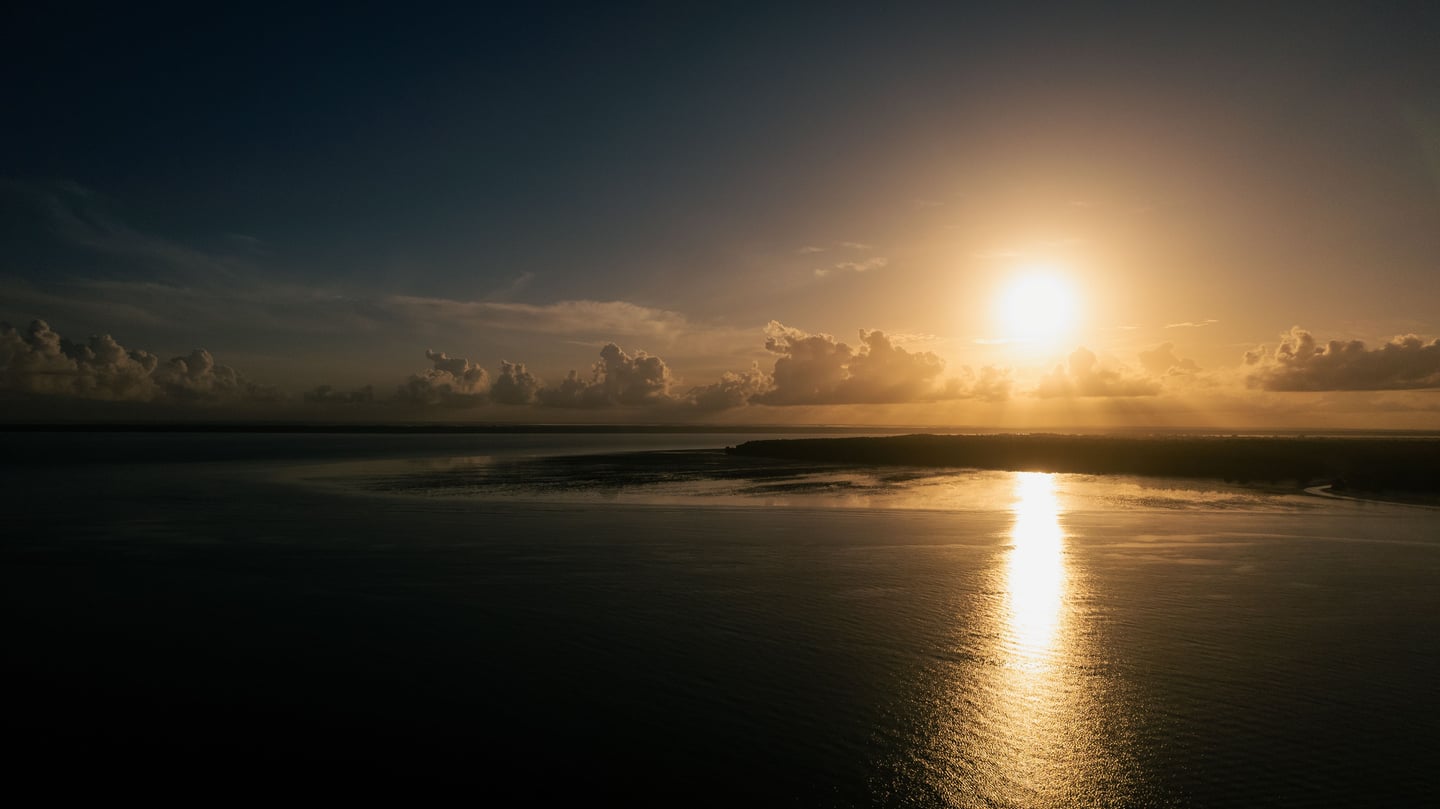
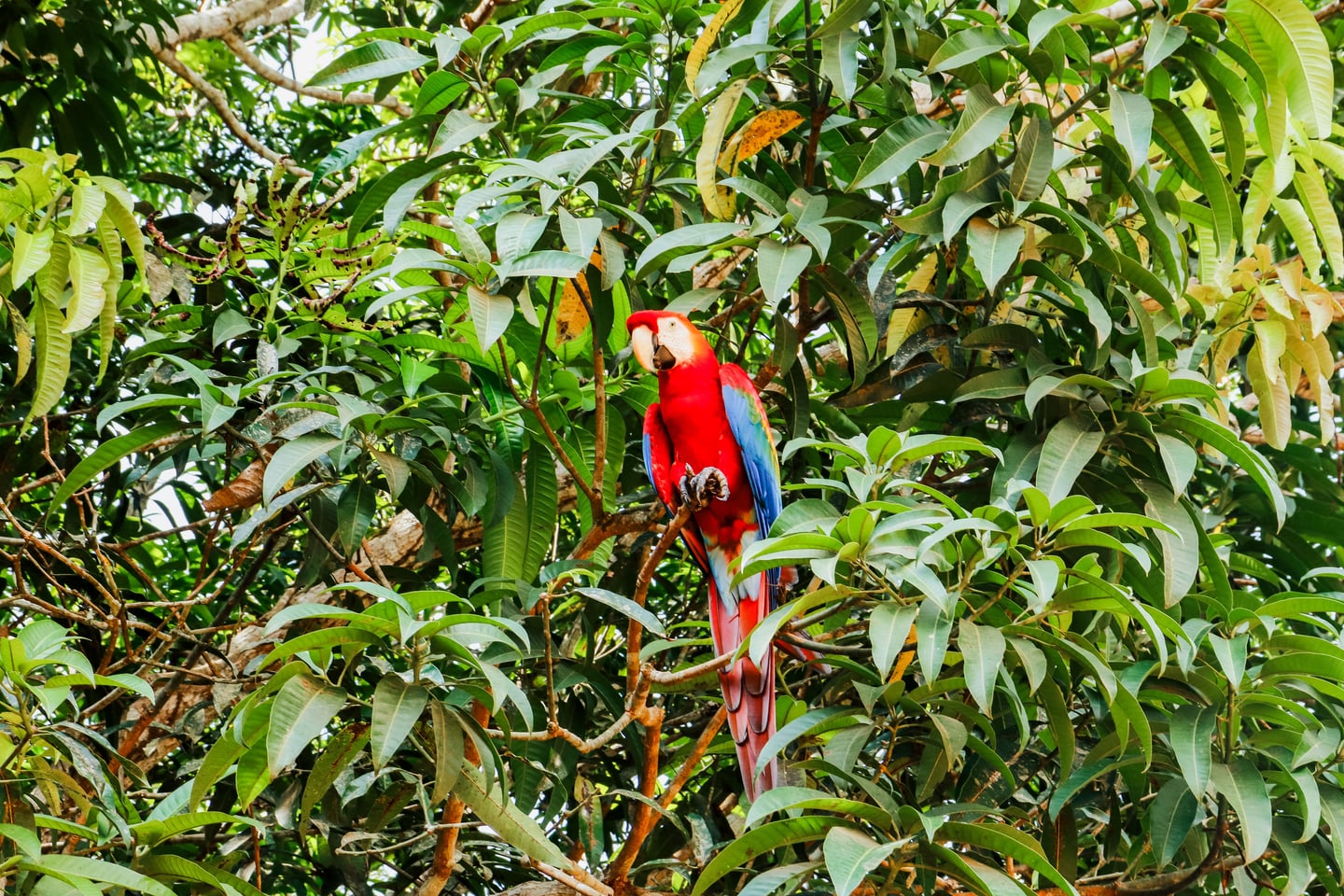
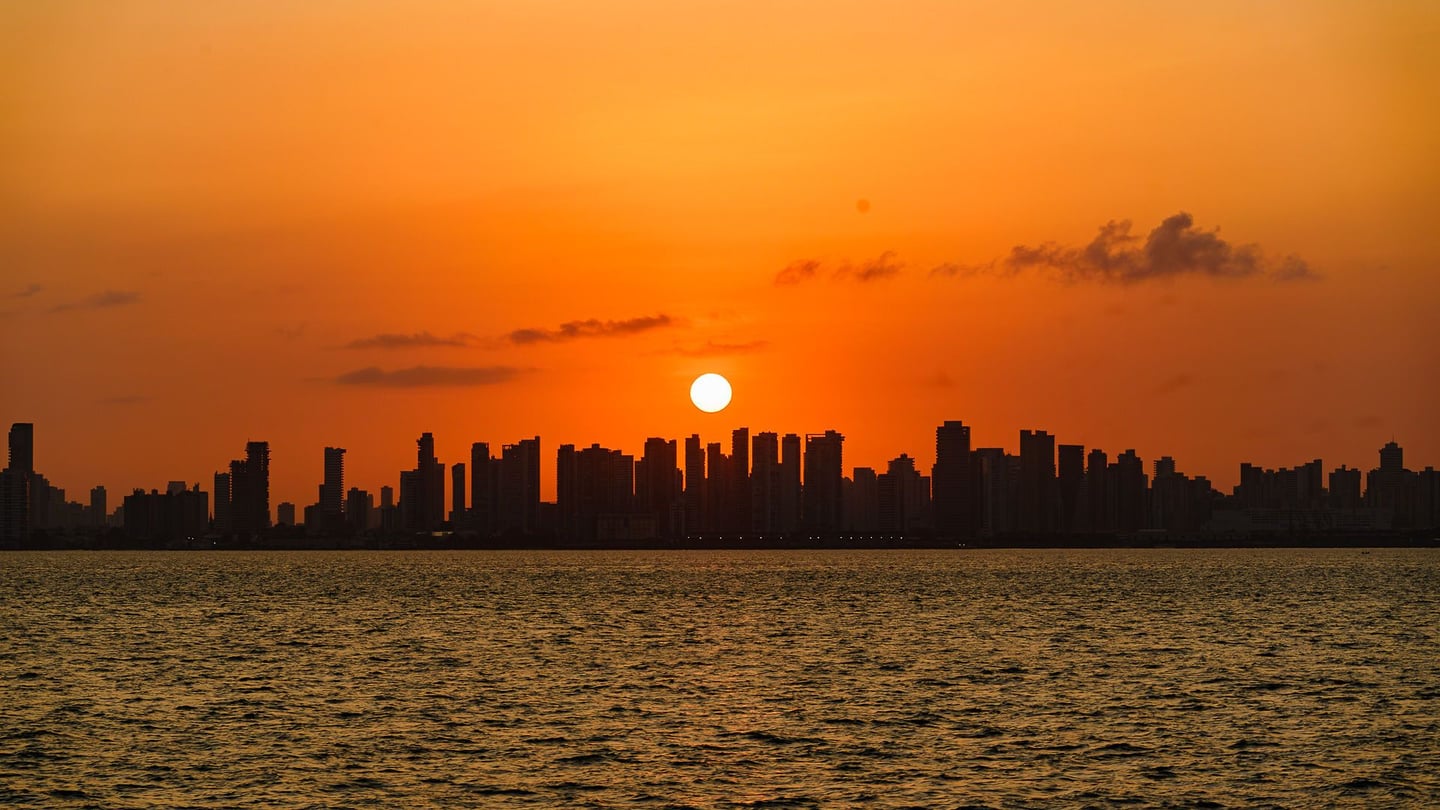
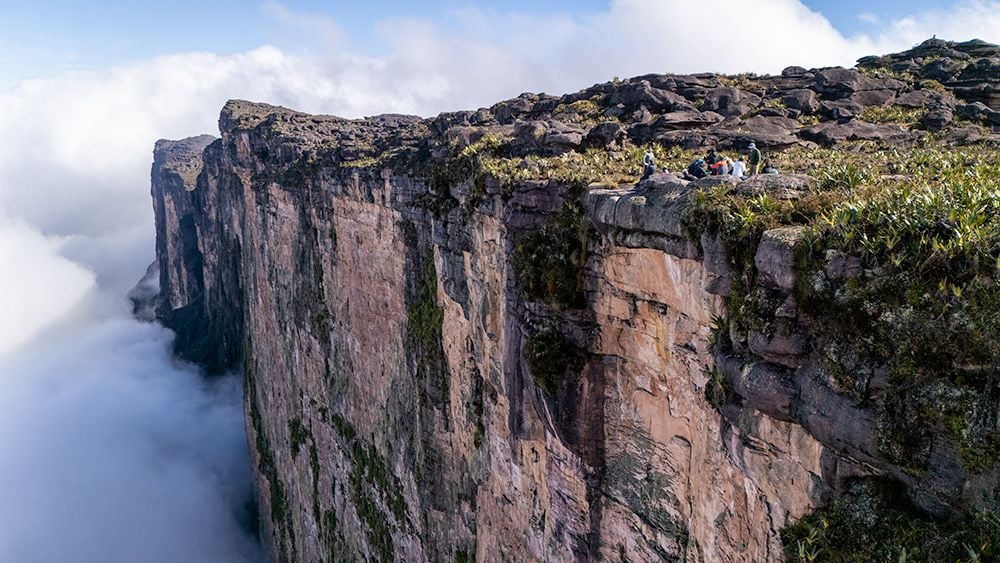
In Brazil’s far west, Acre is the last place in the country to see the sun set. Its Serra do Divisor is one of the most biodiverse places on the planet.


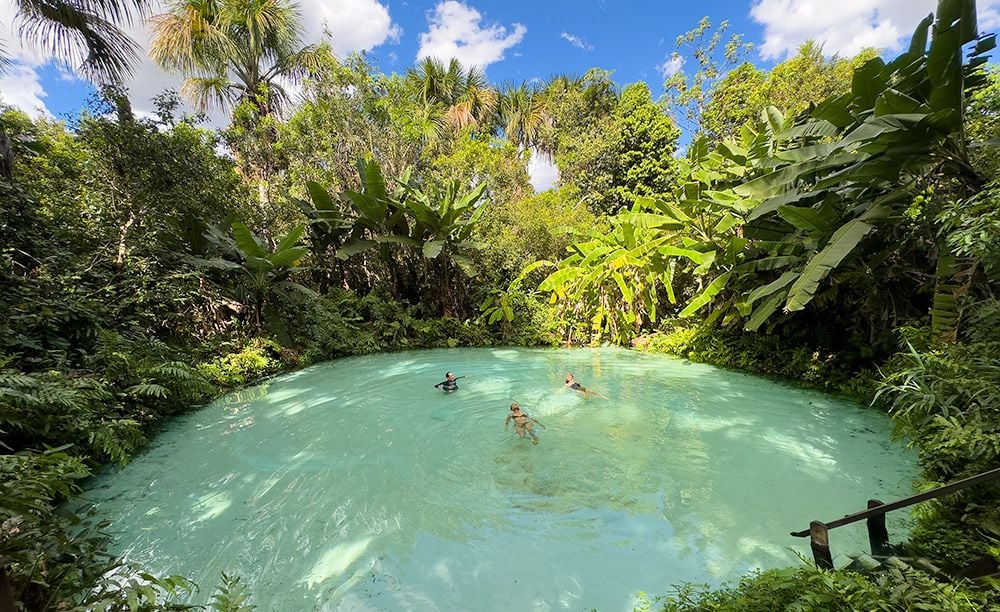
Brazil’s youngest state, Tocantins is home to the Bico do Papagaio, where powerful rivers and dense forests reveal the meeting point of the Amazon and the Cerrado.
Cantão State Park, in Tocantins, is where the Cerrado, the Pantanal, and the Amazon intertwine. The park contains the largest seasonally flooded forest in the Araguaia basin—nearly 100,000 hectares of continuous igapó—giving it a distinctly Amazonian ecological and visual identity, even as it lies in the heart of the Cerrado.
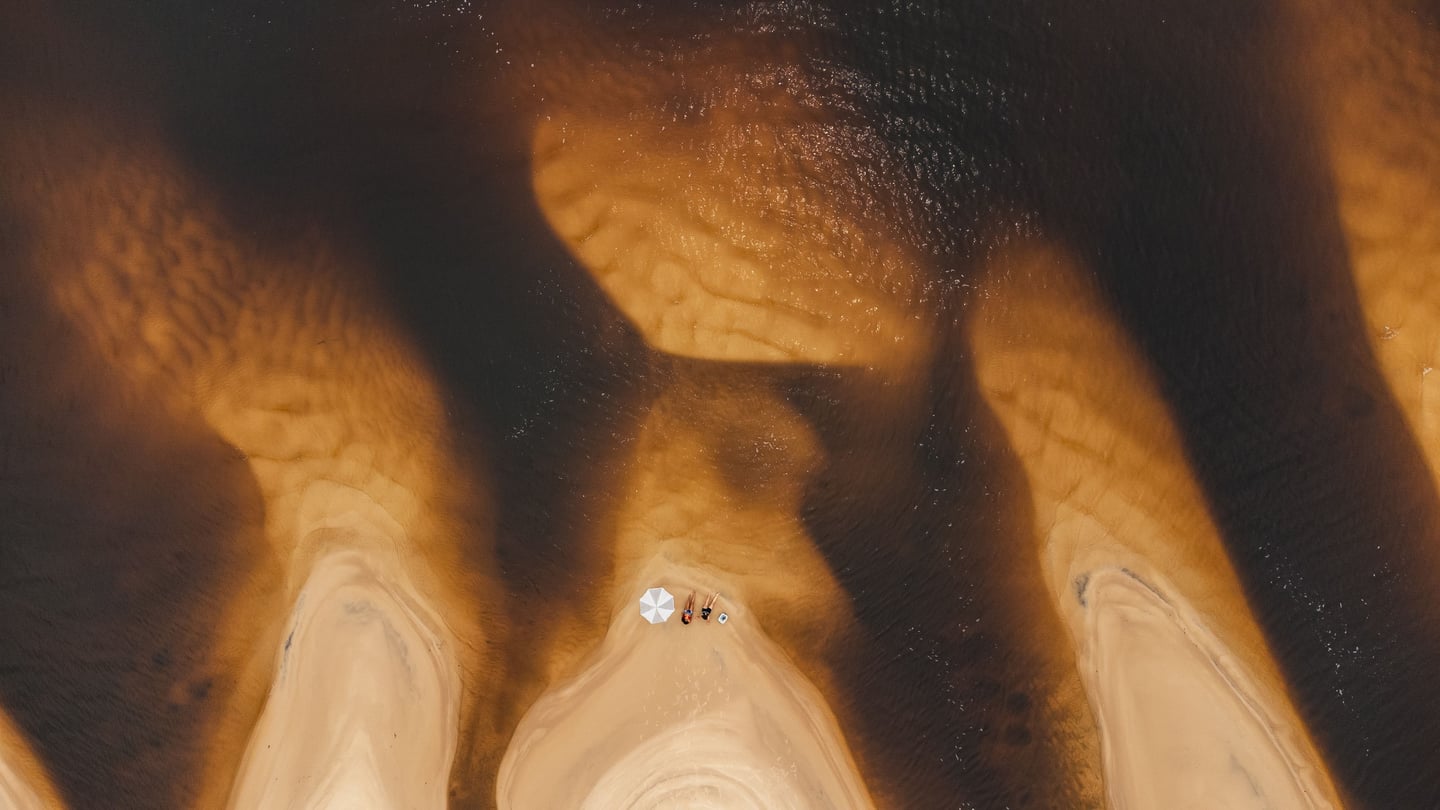
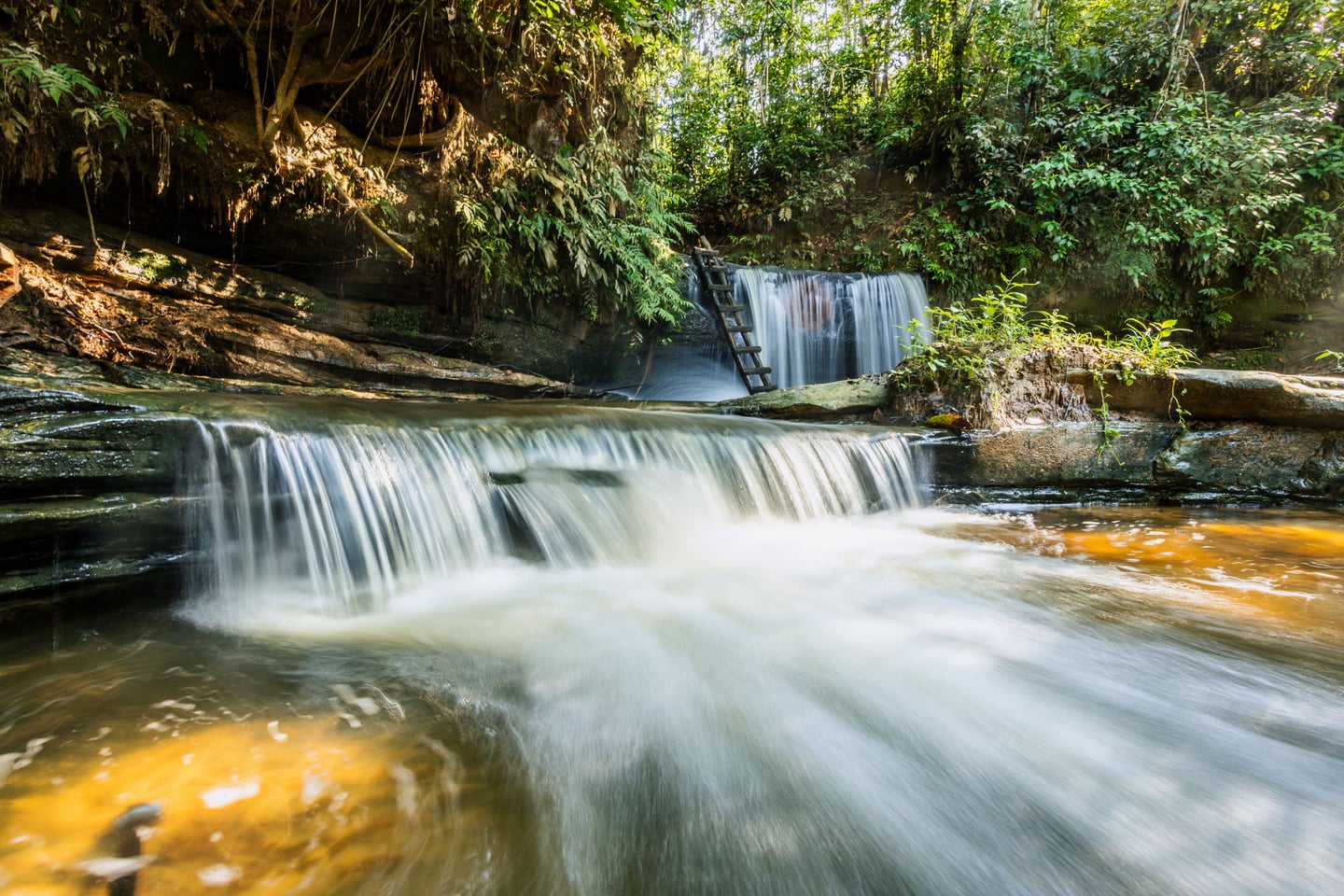
In this stretch of the Middle Araguaia, the water cycle shapes a landscape of hundreds of lakes and flooded forests that remain submerged for months. It is a sanctuary of biodiversity, where semi-submerged trees and saturated soils tell the story of life renewing itself with each flood of the Araguaia River.
The core experience takes place in the municipality of Caseara, the gateway to the park. From there, visitors board canoes that glide silently across Lago Grande, observing species such as black caimans and the Araguaian river dolphin. Guided walks along interpretive trails reveal the complexity of the ecosystem and the efforts to monitor local wildlife. It is a time for listening and observation, where attention turns to nature and to the importance of conserving one of the country’s most vital ecological corridors.
Bananal Island, in Tocantins, is the largest river island in the world, embraced by the Araguaia and Javaés rivers. This transitional territory is where the strength of the Amazon meets the resilience of the Cerrado, creating floodplains that submerge and renew themselves with each cycle. The landscape is shaped by igapó forests and *ipucas*—forest patches that hold water and life within them.
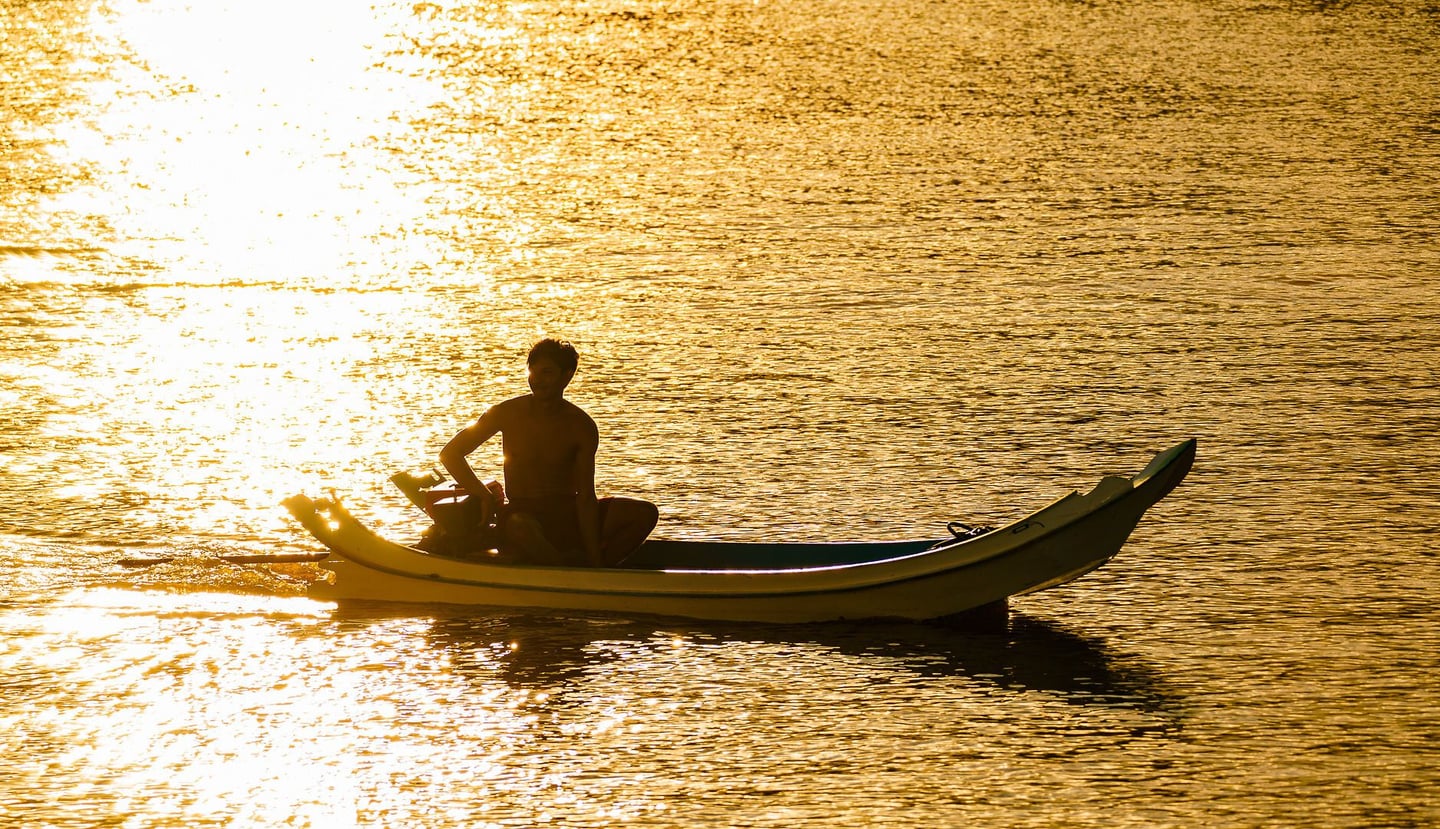
The central experience lies in engaging with the Iny peoples (Karajá and Javaé). Daily life shared in villages such as Santa Isabel do Morro reveals the making of Ritxòkò dolls, a cultural heritage that expresses Indigenous cosmology through ceramics. Visitors take part in body painting workshops using genipap dye and navigate traditional canoes along the channels of the Javaés River, observing river dolphins and Amazonian turtles.
Guided walks through the *ipucas*, led by Indigenous specialists, teach about the medicinal uses of plants and the ancestral connection to the land. To be in Bananal is to understand that the forest is not a backdrop, but a home of living memories. Here, the balance of the biome depends on respect for the culture of its guardians—a lesson visitors carry with them long after they leave.
The experience takes place in communities such as Sumaúma, in Sítio Novo, or in municipalities like Araguatins. Visitors are invited to take part in the ancestral work of the women who protect the babassu groves. The immersion begins with a walk through the forest to gather the coconuts, followed by the rhythmic breaking process, where participants learn how to transform the fruit into oil, mesocarp flour, and soap. The knowledge and craftsmanship of these women—recognized as intangible cultural heritage—guide a broader conversation about resistance and women’s autonomy in the forest.
Regional cuisine is another highlight, especially along the Bico Flavors Route, which showcases Amazonian ingredients in dishes such as fish wrapped in babassu palm leaves and mesocarp cake. In handicrafts, creativity comes to life through the palm’s leaves and stems, transformed into bio-jewelry and woven baskets that reflect the visual identity of the region. It is a form of community-based tourism that prioritizes human connection and the value of rural life.
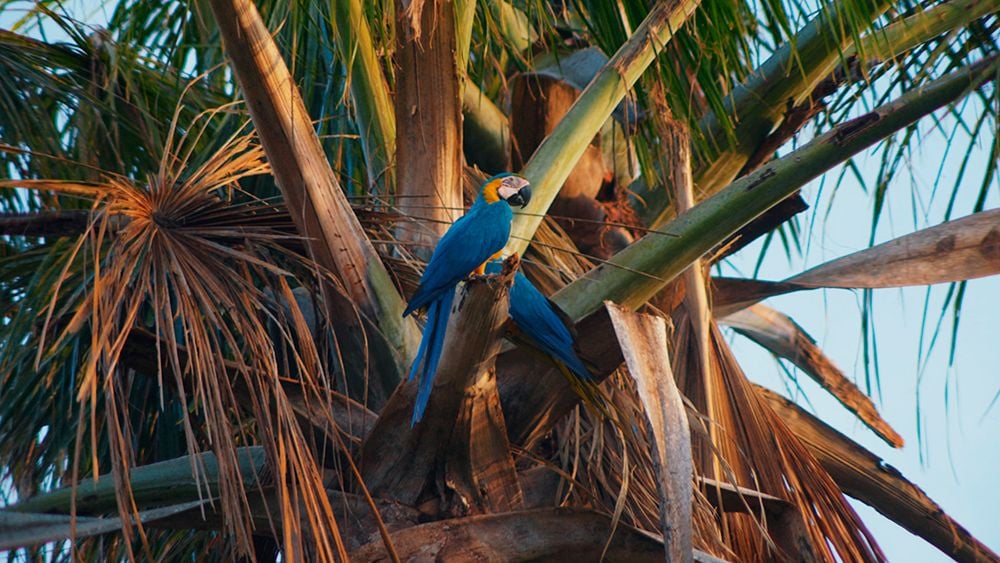
Visiting the Bico do Papagaio region is to understand that Tocantins’ Amazon is shaped by palms, weathered hands, and intense flavors. In the end, encountering “Mother’s Oil” (as babassu oil is known) reveals that the true wealth of the forest lies in preserving traditional ways of life—knowledge that visitors carry with them long after they leave.