Acre
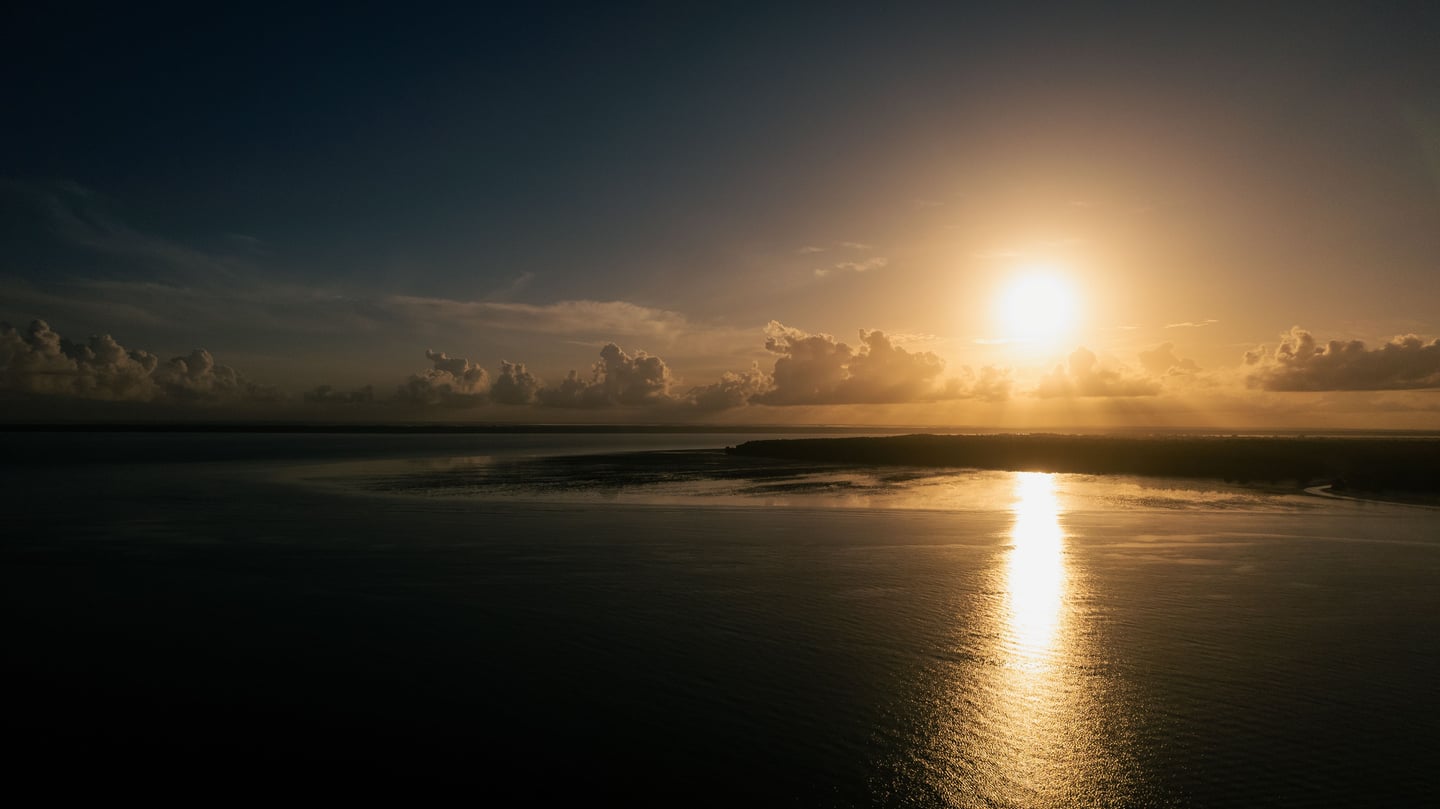
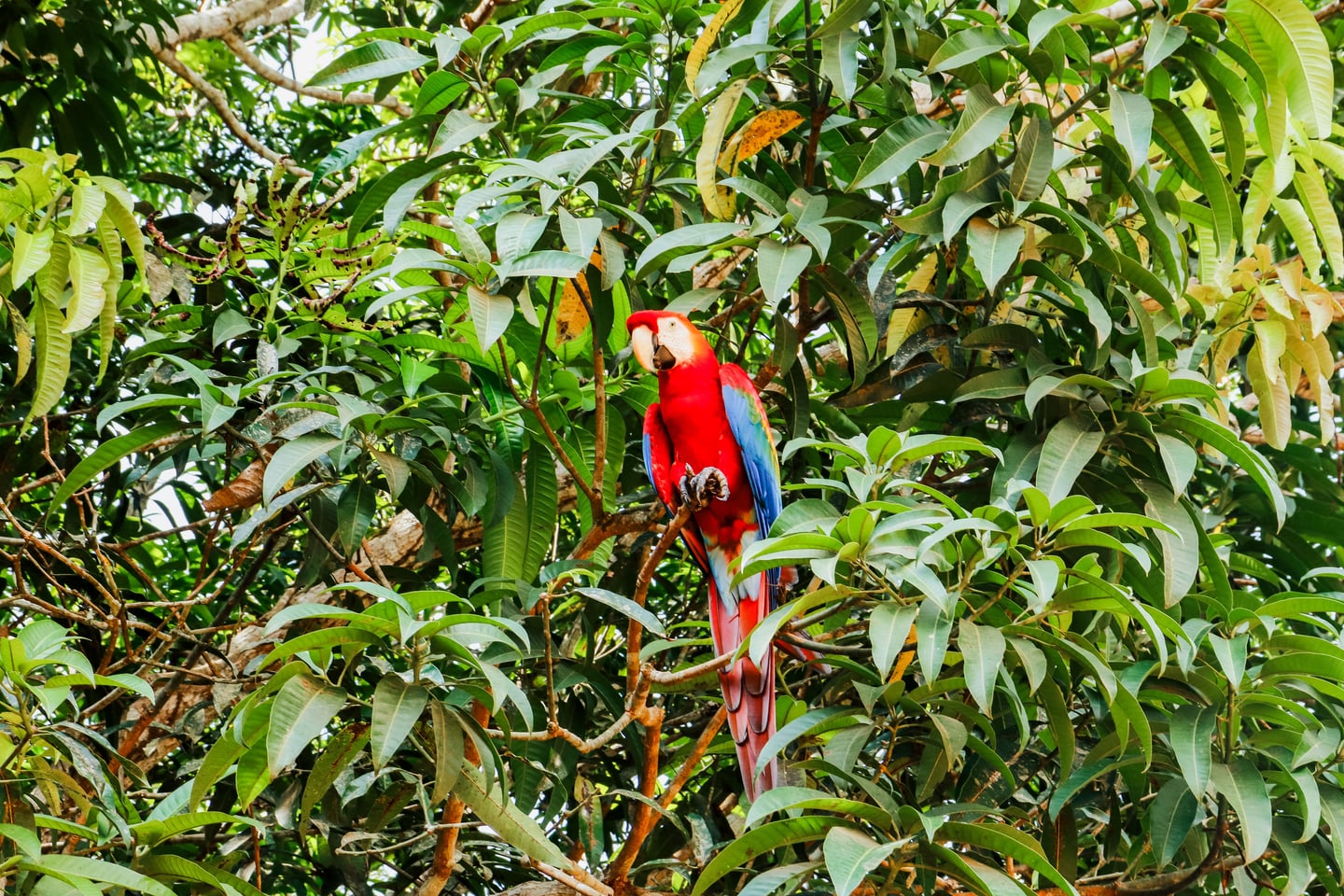
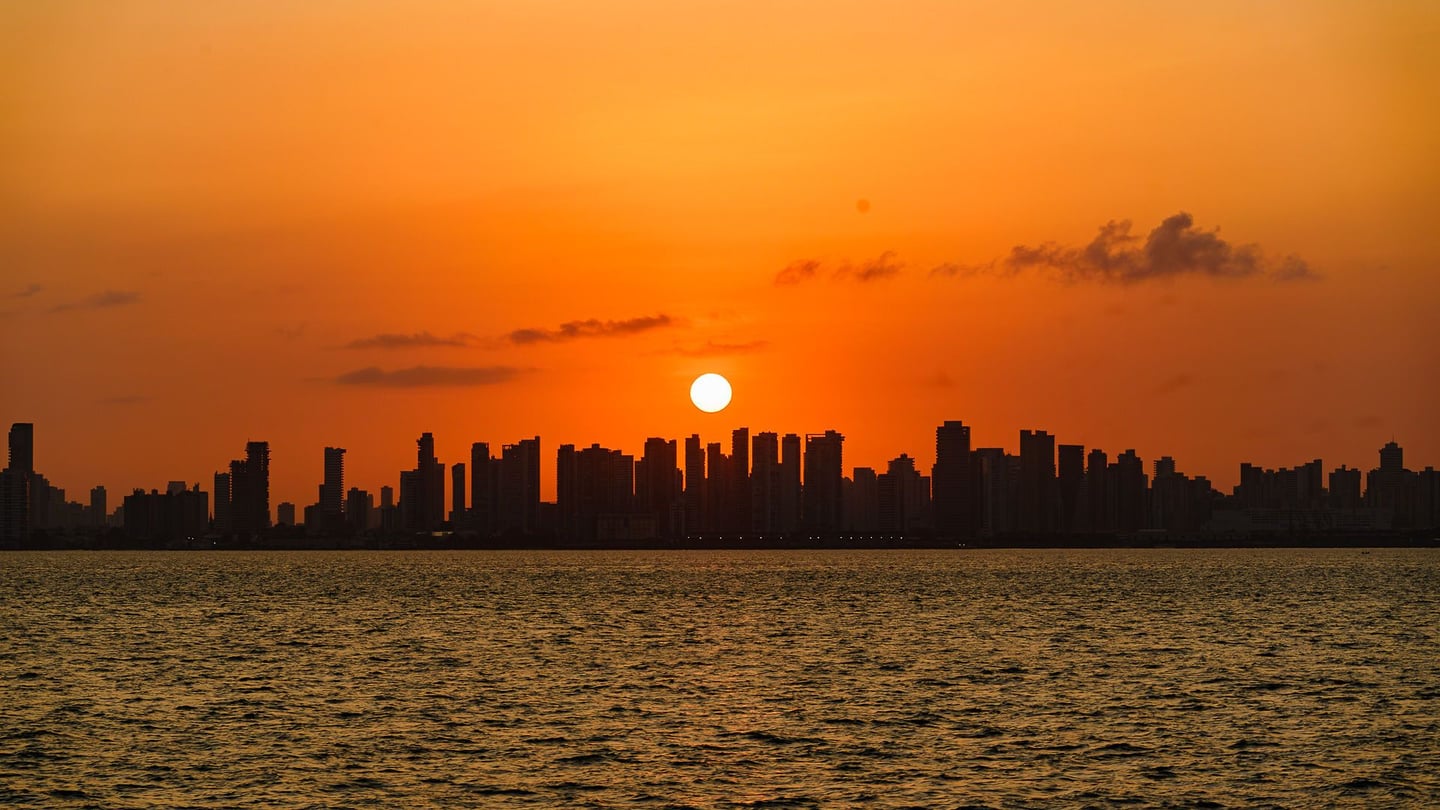
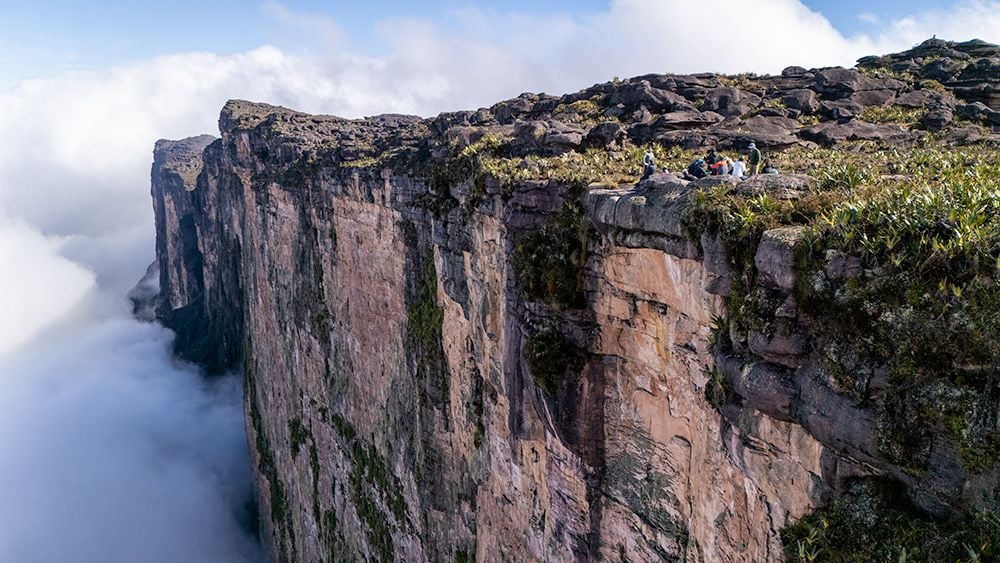
In Brazil’s far west, Acre is the last place in the country to see the sun set. Its Serra do Divisor is one of the most biodiverse places on the planet.

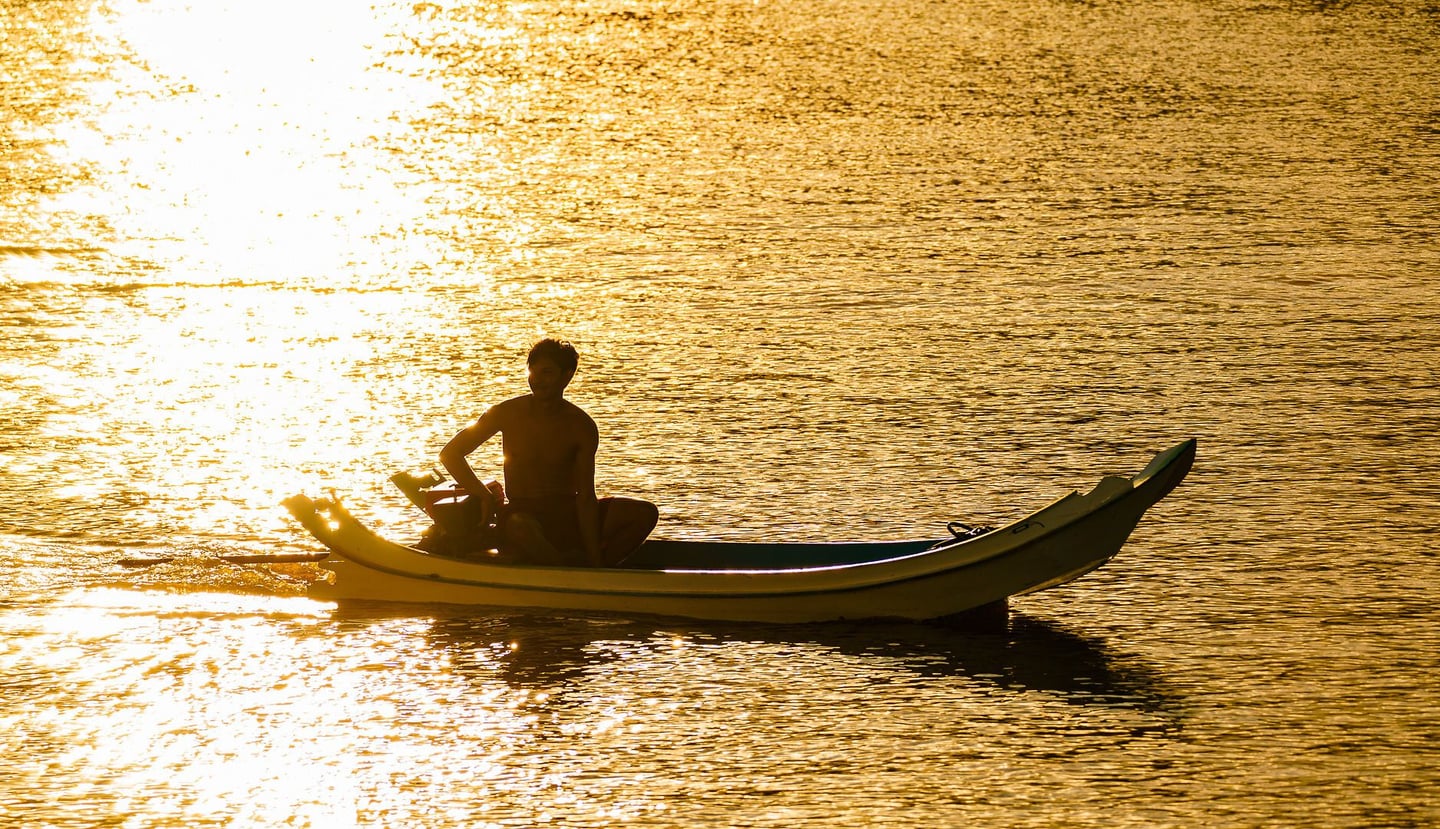
In Rondônia, ancient geoglyphs are etched into the earth in the heart of the Amazon. Along the Madeira River, the sky bursts into color over one of the region’s most powerful waterways.
This unforgettable experience takes place in the Sete de Setembro Indigenous Territory, home to the Paiter Suruí people, located in the region of Cacoal. The visit is organized by the community itself at the Yabnaby Tourism Center—the first ethnotourism agency created and run by the Paiter Suruí in the Amazon—where visitors are invited to learn about local ways of life and the sustainable management initiatives they have developed.
During the stay, hosts share aspects of daily life in the villages, including cultural practices, traditional architecture, songs, body painting, and community activities. Forest walks are led by Indigenous guides, who share knowledge about medicinal plants and the people’s ancestral connection to the land—a moment to listen to the surrounding sounds and experience the textures of the forest up close.
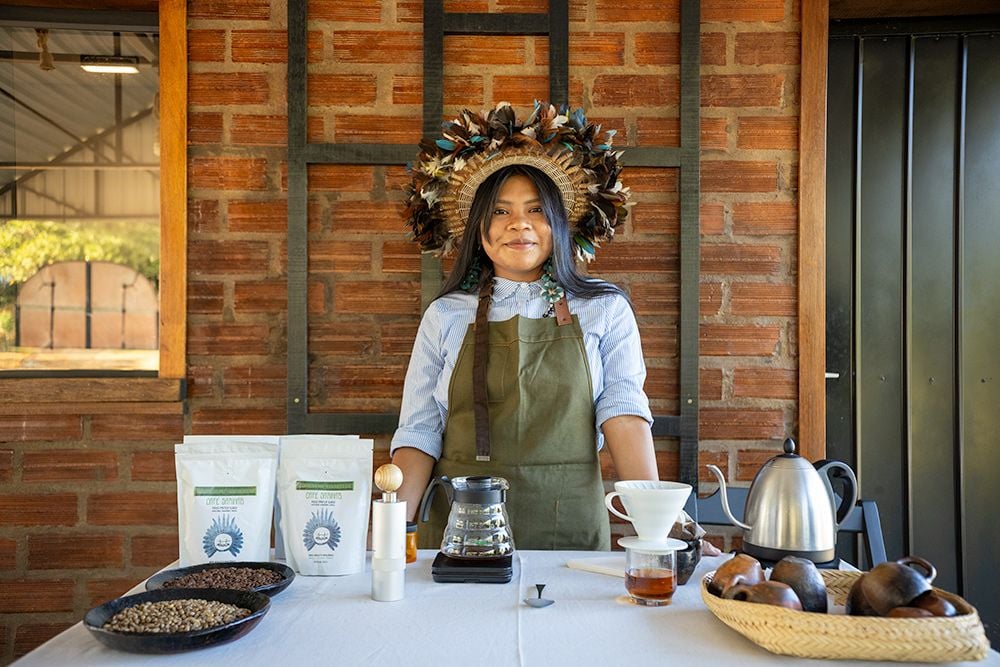
Engaging with local agricultural production, such as coffee grown in agroforestry systems, offers lessons in preservation. Visitors follow every stage of the artisanal roasting process and learn about reforestation and land restoration initiatives. This shared daily life strengthens the connection with the community, bringing the lives of forest guardians closer to those who live in large cities.
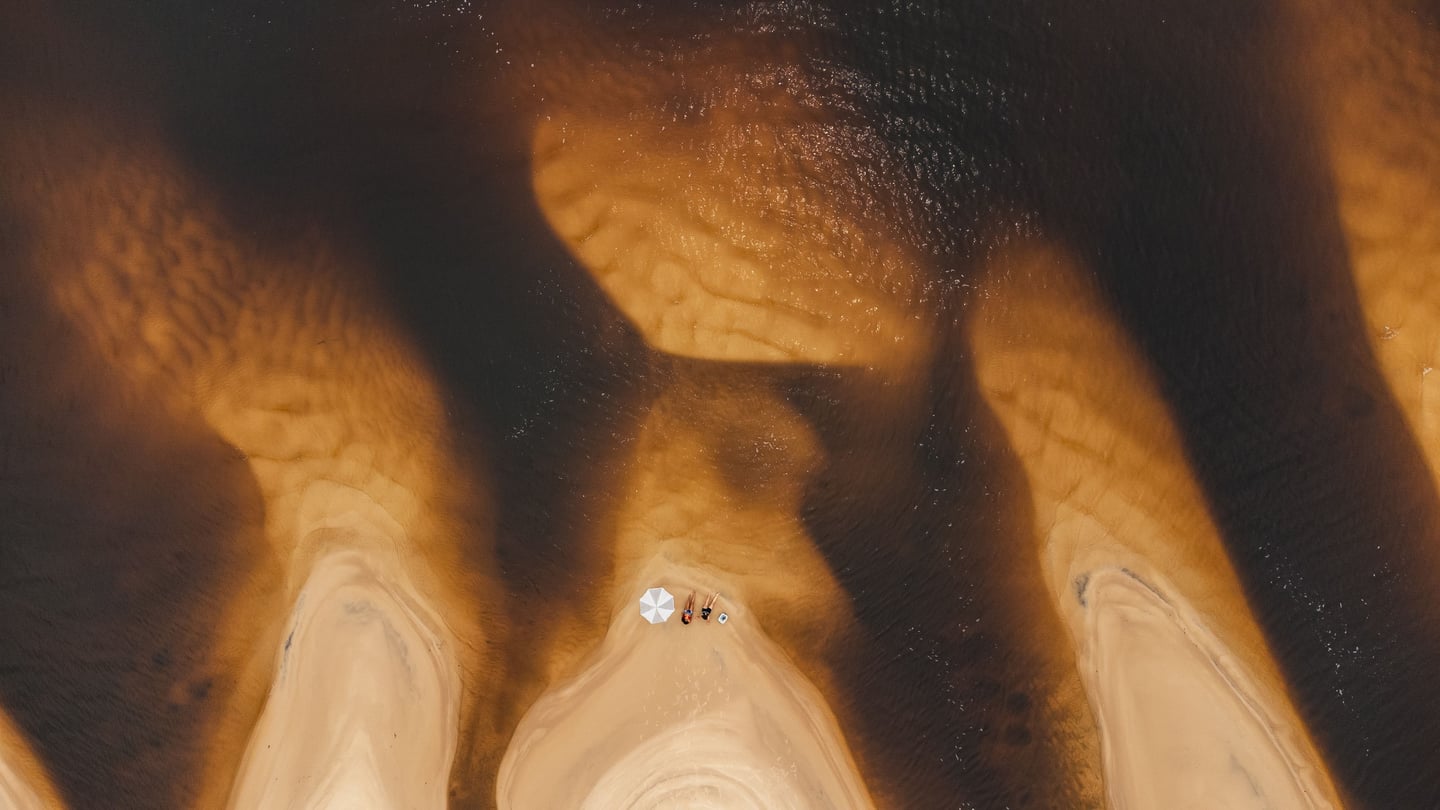
In the late afternoon, the Madeira River reveals itself to the entire city of Porto Velho. One of the main rivers of the Amazon basin and the largest tributary of the Amazon, the Madeira has shaped the city’s history along its banks since the construction of the Madeira-Mamoré Railway. Urban, riverside, and fluvial life unfolds around its wide, muddy waters, which connect the city to communities and territories across this part of the Amazon.
Visitors can experience a true journey through history on late-afternoon boat tours. Departing from the Madeira-Mamoré Railway Complex, the boats travel along the river while guides share stories about the formation of Porto Velho and its relationship with the river. The route lasts about an hour and includes regional music and cultural performances on board.
As the sun nears the forest line, the water turns golden and the river breeze moves across the deck. Locals continue their daily lives along the riverbanks, while visitors take in the Amazonian spectacle unfolding before them for the very first time.
The Guaporé River Valley, on the border between Brazil and Bolivia, is characterized by vast floodplains and seasonally flooded forests in Rondônia. The river, with its clear waters and winding course, sets the rhythm of life for the communities along its banks, who sustainably manage the region’s natural resources. It is alongside these communities that visitors can experience the Amazon of Rondônia.
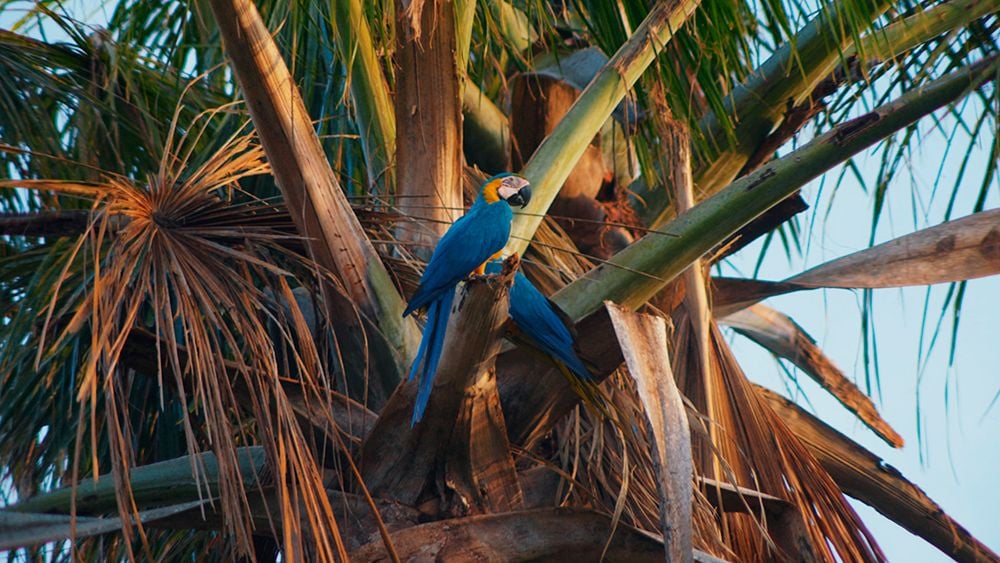
The experience unfolds over several days in the Quilombo Pedras Negras and in Santo Antônio do Guaporé. There, visitors learn firsthand about pirarucu management and the protection of turtle nesting beaches—initiatives that help preserve the biome. The journey includes navigating the river’s channels and observing local wildlife, always guided by residents who share both technical and ancestral knowledge.
The visit also extends to the Real Forte Príncipe da Beira, the largest Portuguese military structure from the colonial period in Brazil. Time spent with quilombola and riverside communities reveals the importance of collective organization in keeping the forest standing. The Guaporé Valley is, at once, a place of food sovereignty and cultural preservation.