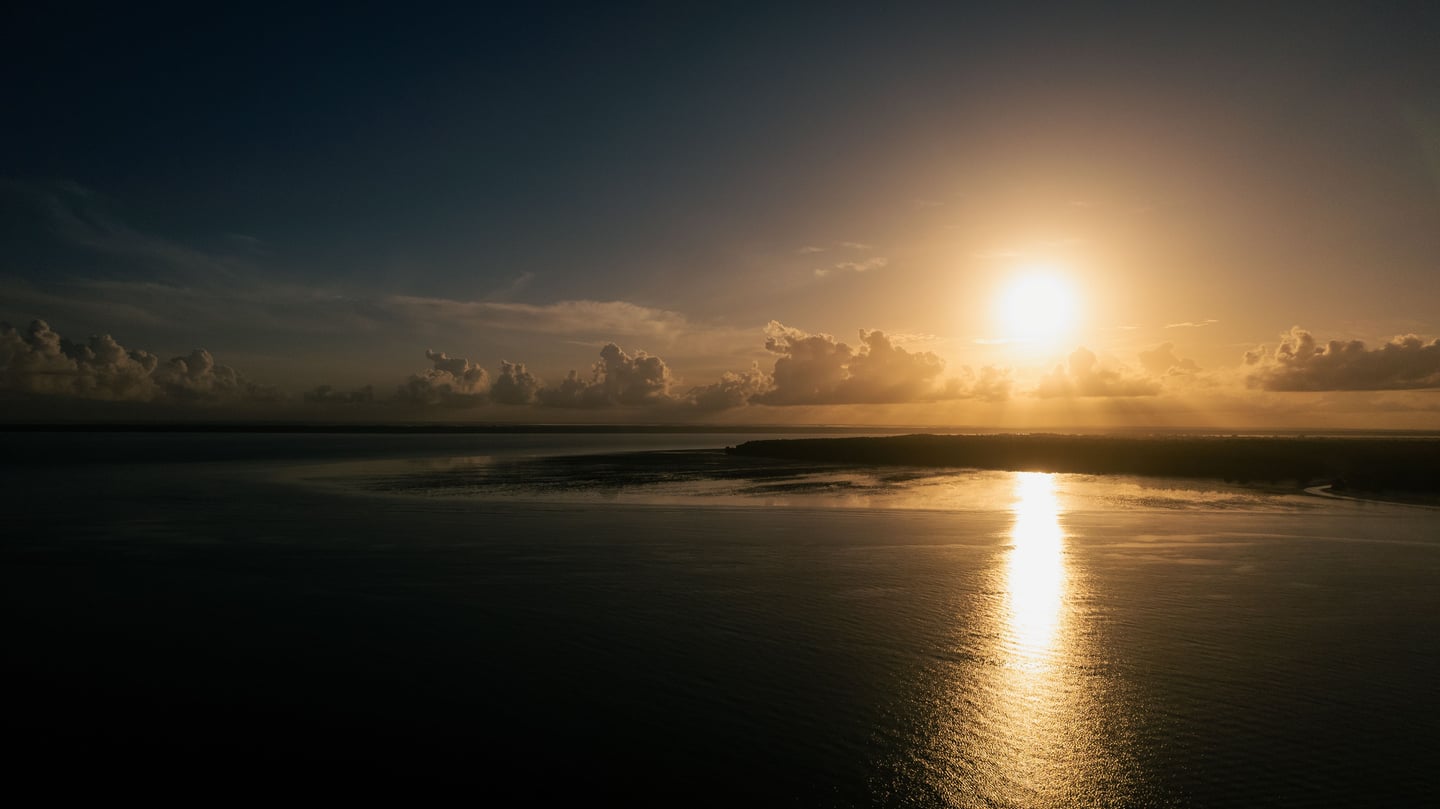
Amapá
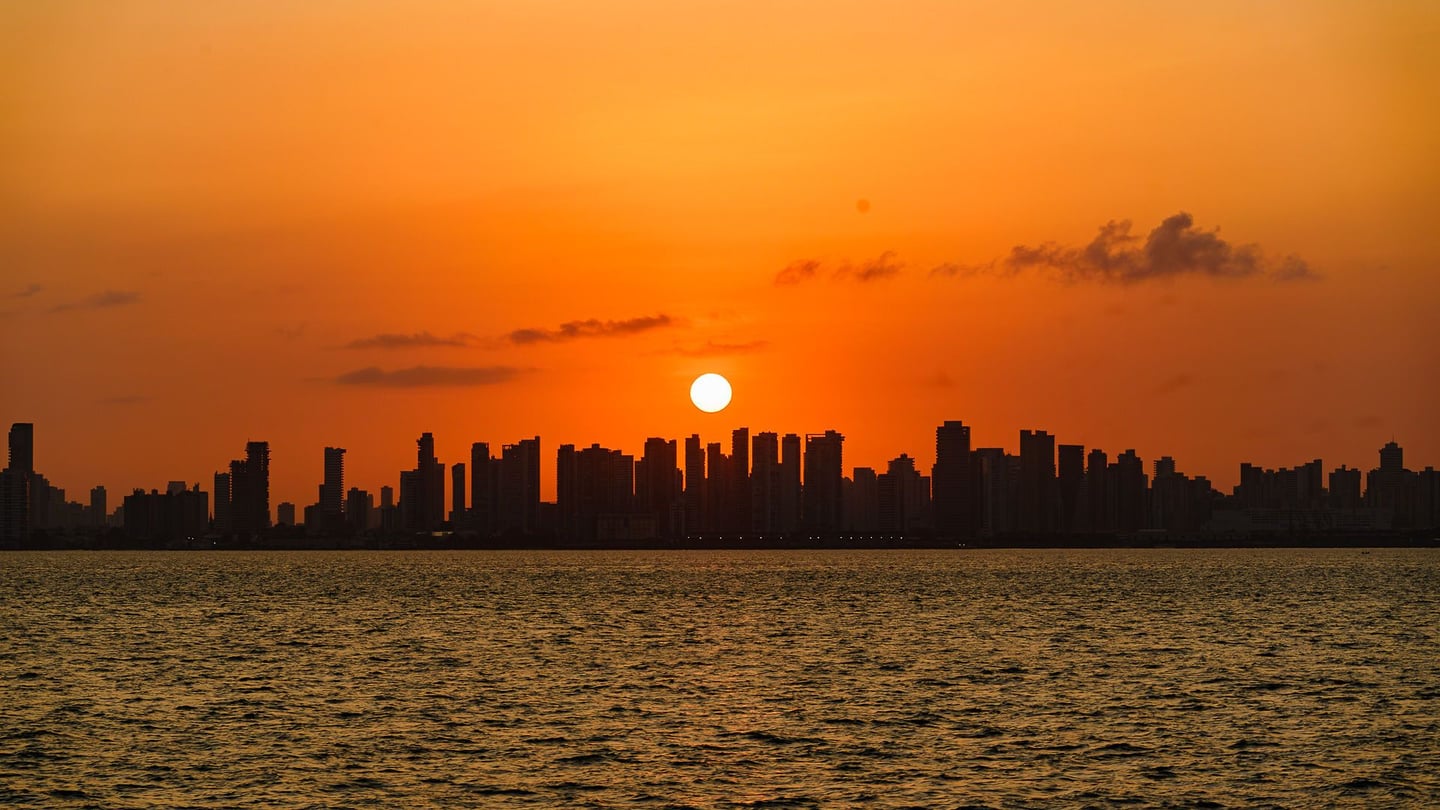
In the capital, Macapá, you can stand with one foot in each hemisphere. On the border with French Guiana, Oiapoque illustrates Brazil’s vastness, bringing to life the expression “from Oiapoque to Chuí.”

In Brazil’s far west, Acre is the last place in the country to see the sun set. Its Serra do Divisor is one of the most biodiverse places on the planet.
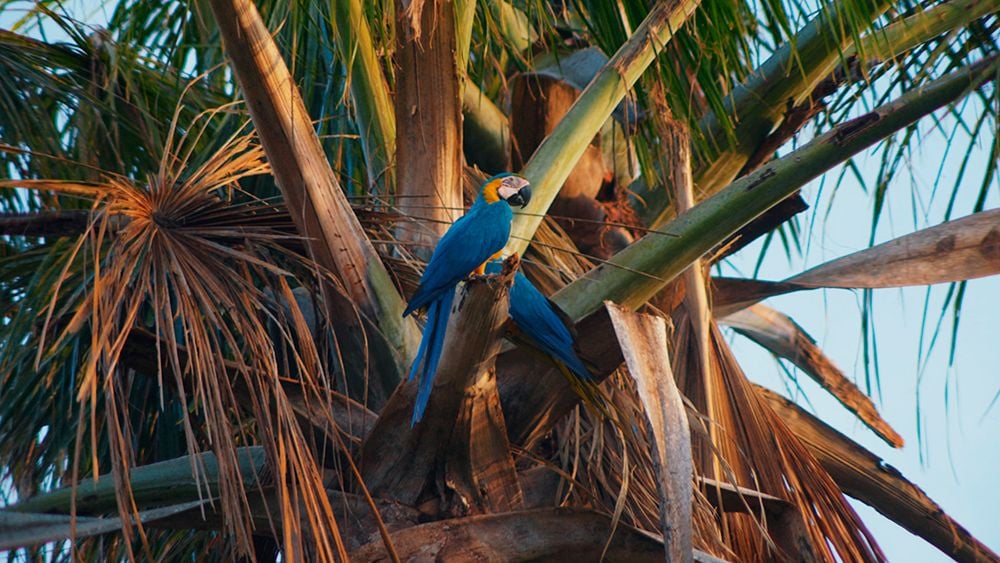
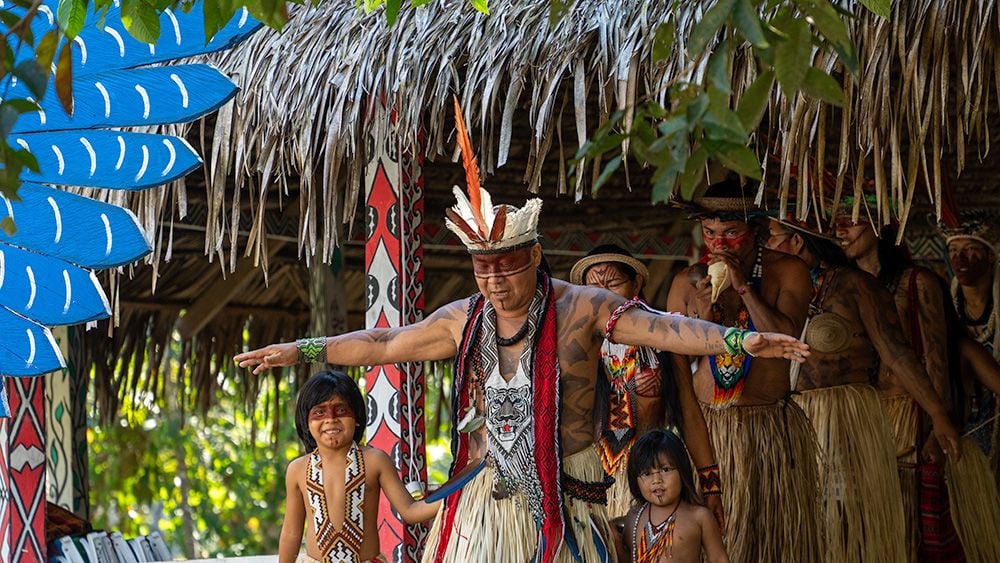
There are places in the Amazon where time moves to its own rhythm. In the municipality of Feijó, on the banks of the Envira River, an eight-day immersion invites visitors to experience the daily life of the Shanenawa people, whose name means “people of the blue bird.”
The journey begins in Rio Branco and continues by road to the village, where visitors are welcomed with traditional songs and dances. In the days that follow, the experience reveals different aspects of their culture: forest trails guided by community members, encounters with local craftsmanship, body painting, and conversations about the relationship between territory, memory, and spirituality. For those who wish, there is also the opportunity to take part in traditional ceremonies led by spiritual leaders.
Over the course of the stay, one’s perspective on the forest—once distant—shifts through close connection with the people. Marked as well by the planting of trees, this experience leaves visitors with not only their own memories, but also those shared by generations of guardians of the land.
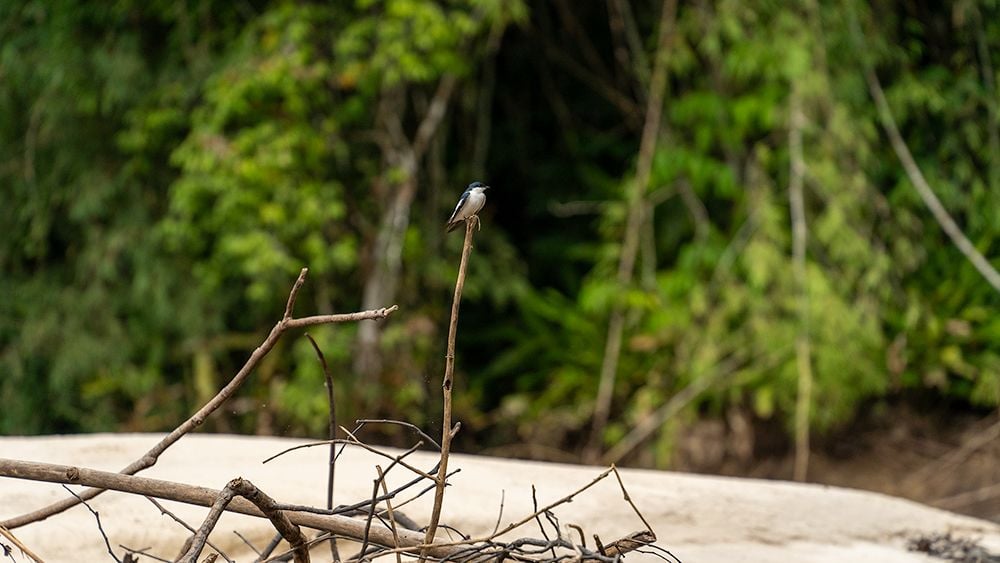
In the far west of Acre, Serra do Divisor National Park is home to one of the greatest diversities of birdlife in the Amazon. With over 480 recorded species—including endemic and rare birds—the region has become a key destination for birdwatching.
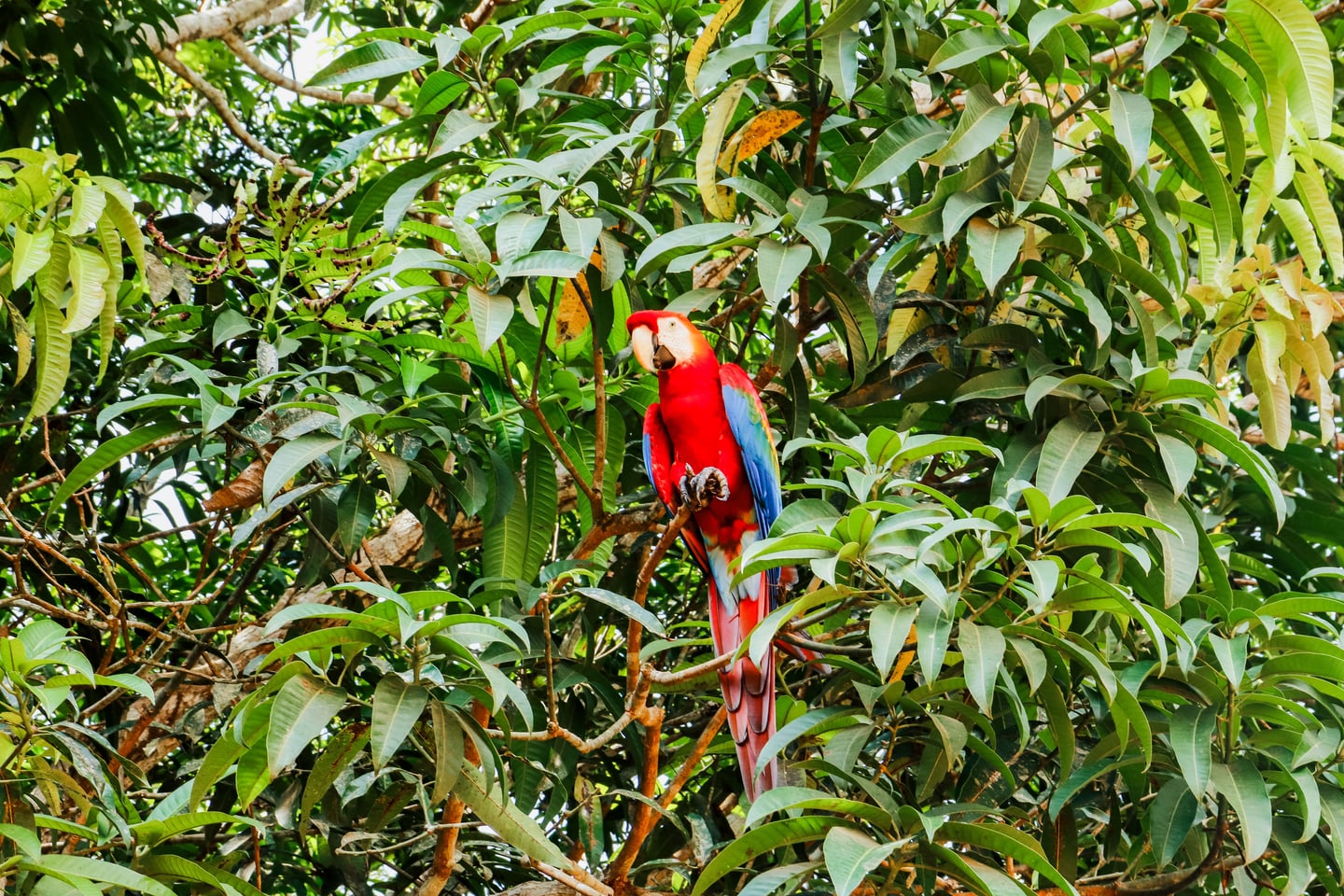
The expedition begins in Cruzeiro do Sul and continues to Mâncio Lima, the gateway to the park. Over seven days, participants follow guided trails in the early morning, when the forest comes alive with birdsong and movement in the treetops. With specialized local guides, the group learns identification techniques based on sound and behavior, spotting species such as the Acre antshrike, as well as macaws, toucans, and hummingbirds.
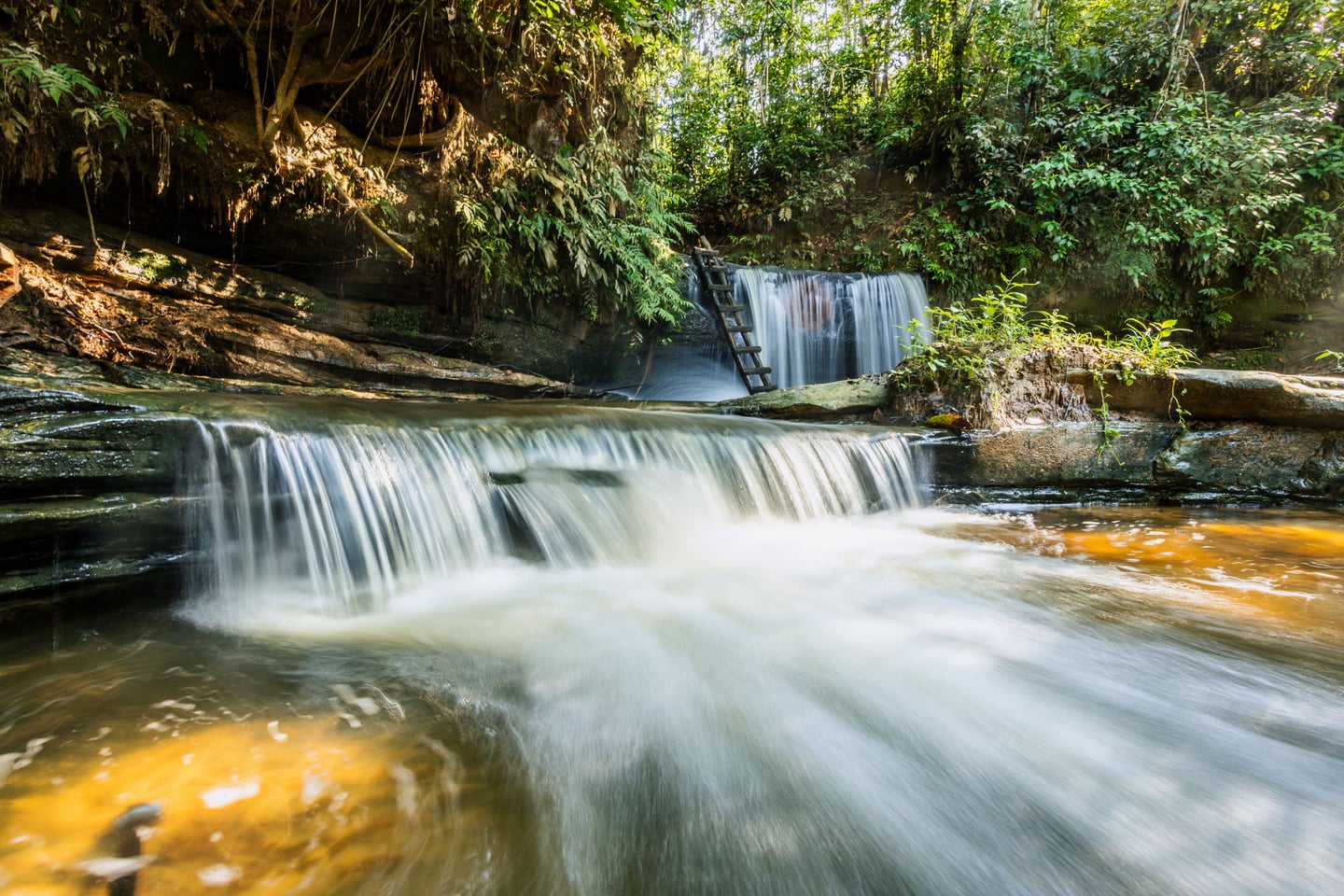
In the afternoon, the itinerary includes forest walks and visits to waterfalls formed by the region’s rivers. Between sightings and conversations about the local ecosystem, visitors discover how birds, rivers, and forest are part of a single living system. By the end of the journey, what remains is a more attentive взгляд on the many faces of the Amazon.
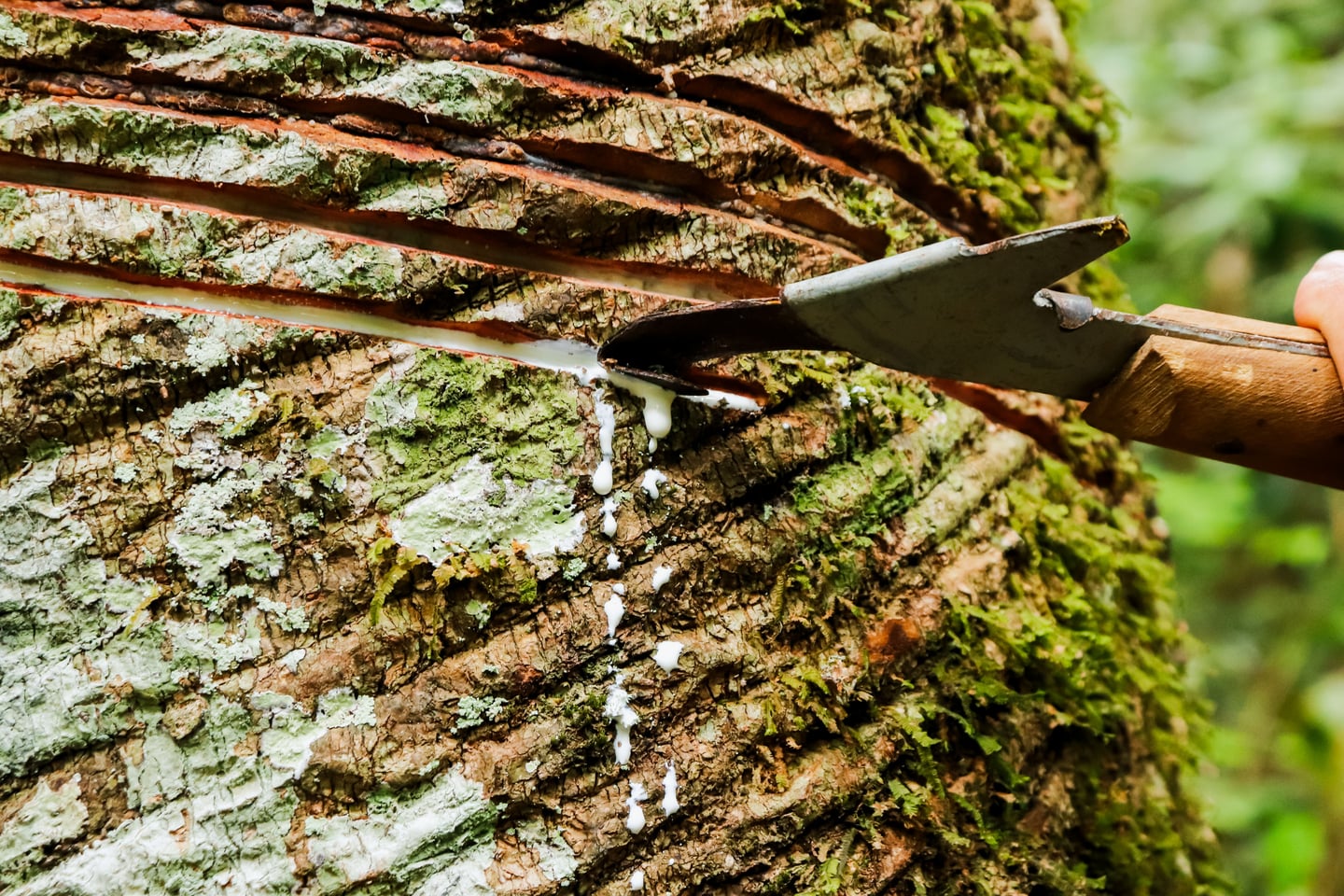
The Chico Mendes Trail runs through the Chico Mendes Extractive Reserve, in southeastern Acre—a territory created to protect both the forest and the traditional way of life of extractive communities. The reserve brings together tropical forest areas, streams, and former rubber estates, where rubber trees remain part of Brazil’s history and the local economy. Families here continue practices such as Brazil nut harvesting, latex extraction, and small-scale farming.
Stretching approximately 90 kilometers, the trail can be completed in four to five days. The route follows paths historically used by rubber tappers between settlements within the reserve. Along the way, visitors cross forest stretches, small rivers, and extractive production areas, with stops for meals and overnight stays in residents’ homes.
This close contact offers insight into the history behind the creation of the reserve and the daily life of the communities who live there. Throughout the journey, the pace is set by the shade of towering trees. Walking through this territory brings a deeper understanding of the people who continue to build a shared future with the forest standing.