Image without alt
Image without alt
ExperiencesDestinationsProject
Image without altIgaratype
PT
ExperiencesDestinationsProjectImage without altIgaratype
PT
Image without alt
MapHomeExperiencesDestinationsProjectIgaratype
StatesAcreAmapáAmazonasMaranhãoMato GrossoParáRondôniaRoraimaTocantins
Partners
Image without alt
Image without alt

Experiences

Discover countless experiences that the nine states of the Brazilian Amazon have to offer.

AM
Image without alt

Anavilhanas and the diversity of its islands

With hundreds of islands scattered along the Rio Negro, Anavilhanas National Park is home to one of the largest river archipelagos in the world.

AM
Image without alt

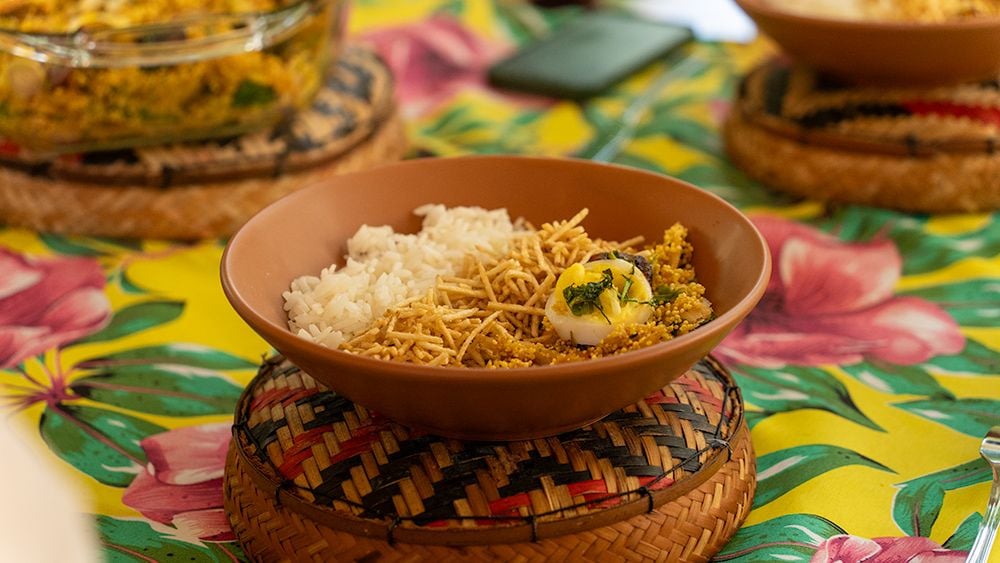
"Until the Tucupi" Tour: Amazonian flavors in downtown Manaus

Amazonian cuisine reveals much about the living memory of Indigenous peoples and their eating habits in northern Brazilian culture. Traditional dishes are deeply woven into everyday life.

AC
Image without alt

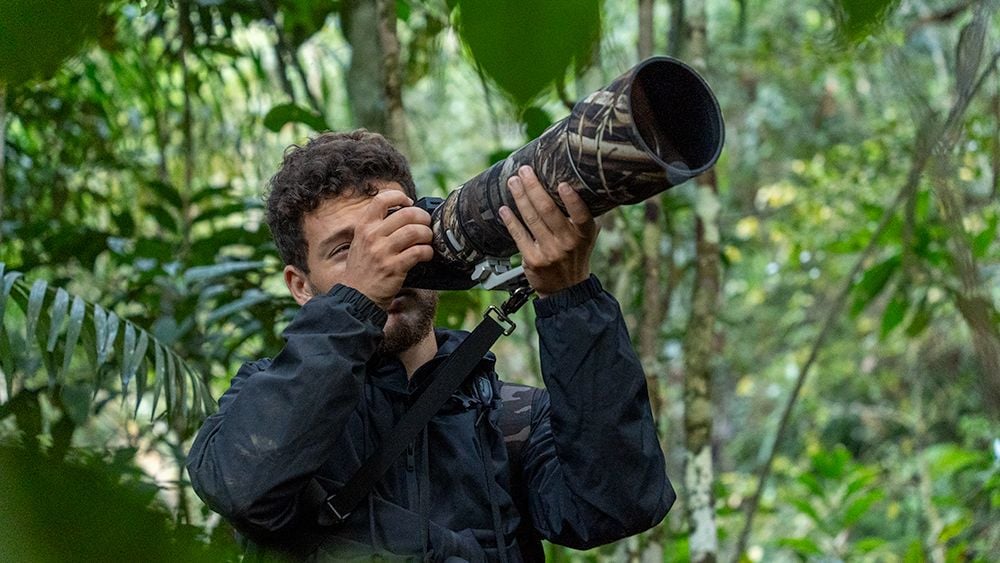
Birdwatching in Serra do Divisor: experiencing the Amazon through birdsong

In the far west of Acre, Serra do Divisor National Park is home to one of the greatest diversities of birdlife in the Amazon.

MA
Image without alt

Discover the Reentrâncias Maranhenses Environmental Protection Area

On the coast of Maranhão, the Reentrâncias Maranhenses Environmental Protection Area encompasses one of the largest continuous stretches of mangroves on the planet.

PA
Image without alt

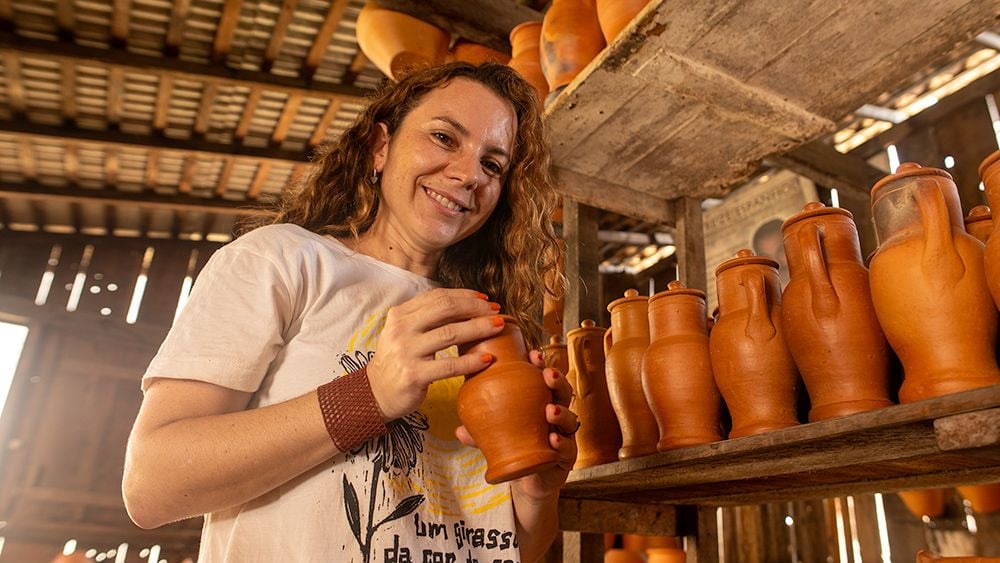
From clay to wheel: Icoaraci

Marajoara and Tapajonic ceramics carry meanings that transcend time, revealing Indigenous perspectives on life.

PA
Image without alt

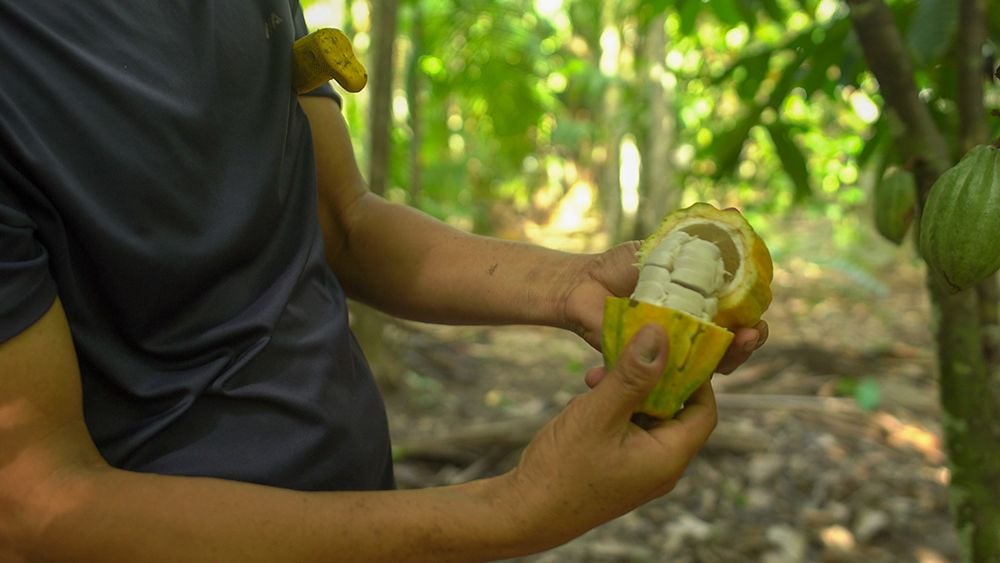
From cacao to chocolate: a sensory journey on Combu Island

Just a 20-minute boat ride from the vibrant city of Belém, there is a place where chocolate begins long before the first bite.

AP
Image without alt

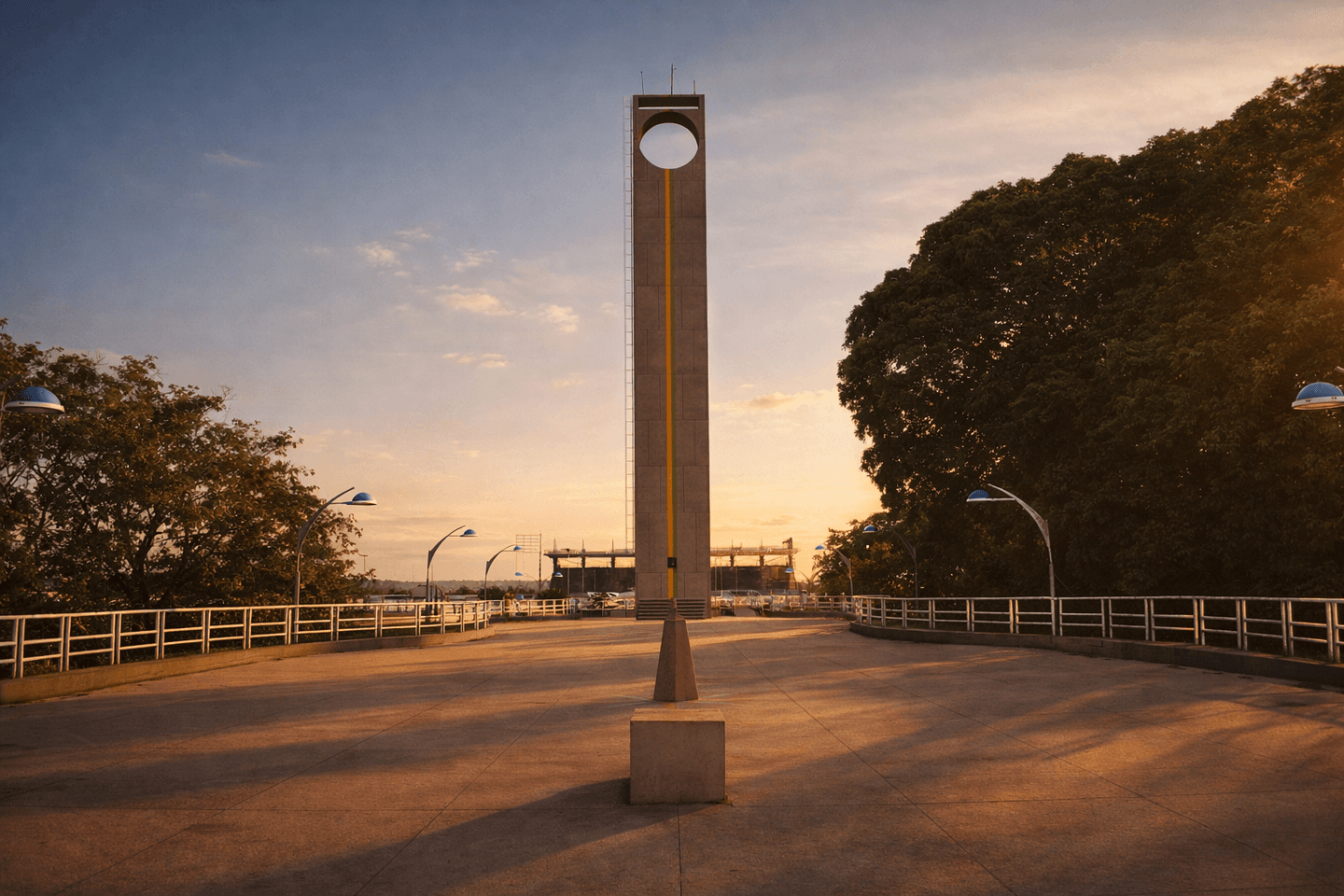
Equator Landmark: a body in the world

The Equator Landmark marks the passage of the imaginary line that divides the Earth between the Northern and Southern Hemispheres.

RR
Image without alt

Maracá Ecological Station: a landmark in Amazon conservation

Roraima is home to one of the largest river islands of upland forest in the world, embraced by the bifurcation of the Uraricoera River: the Maracá Ecological Station.

TO
Image without alt

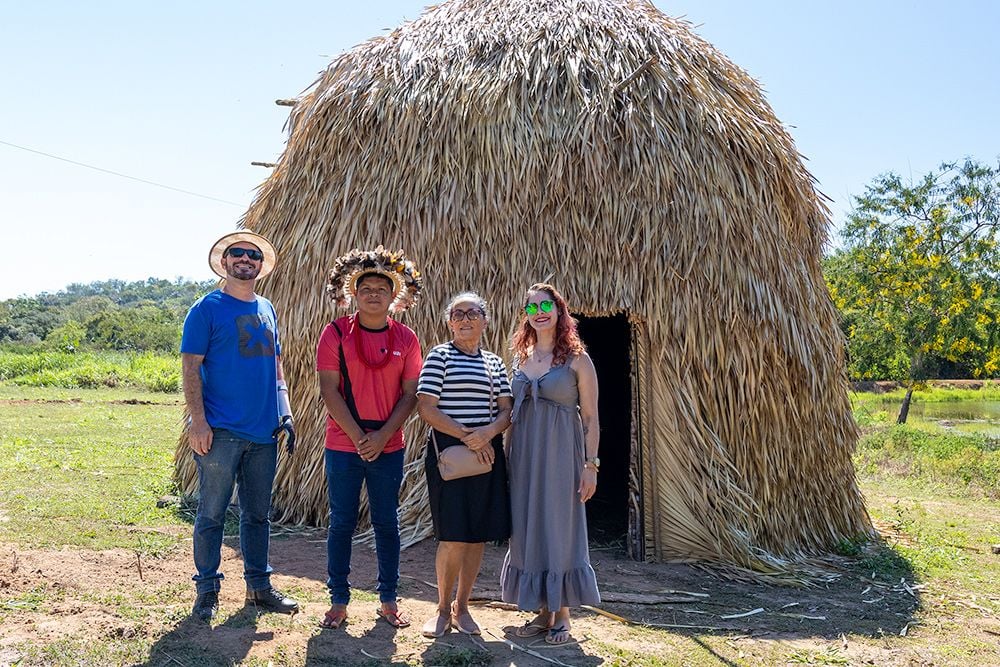
Bananal Island and the land of the Iny people

Bananal Island, in Tocantins, is the largest river island in the world, embraced by the Araguaia and Javaés rivers.

AM
Image without alt

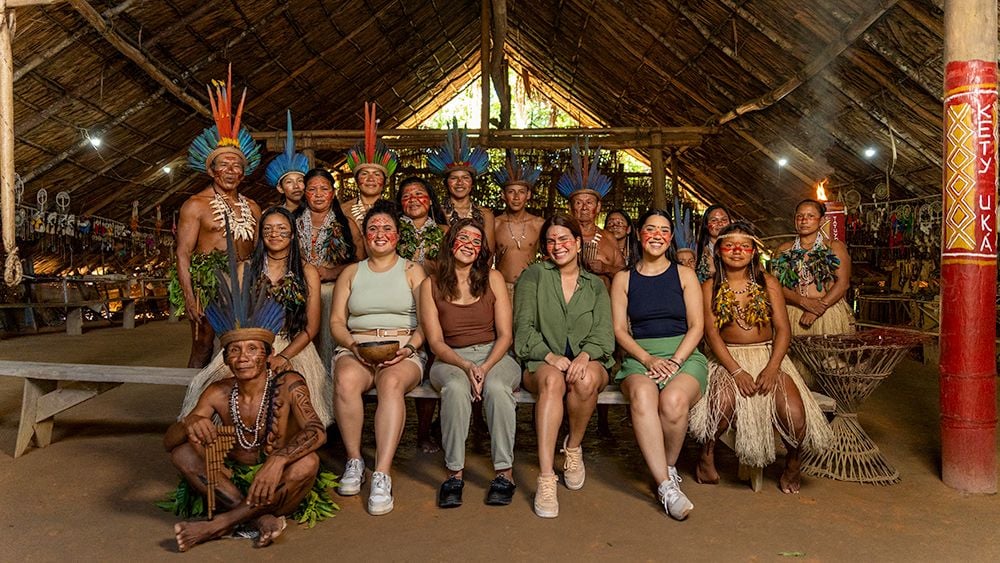
Indigenous immersion on the Rio Negro: living culture along the riverbanks

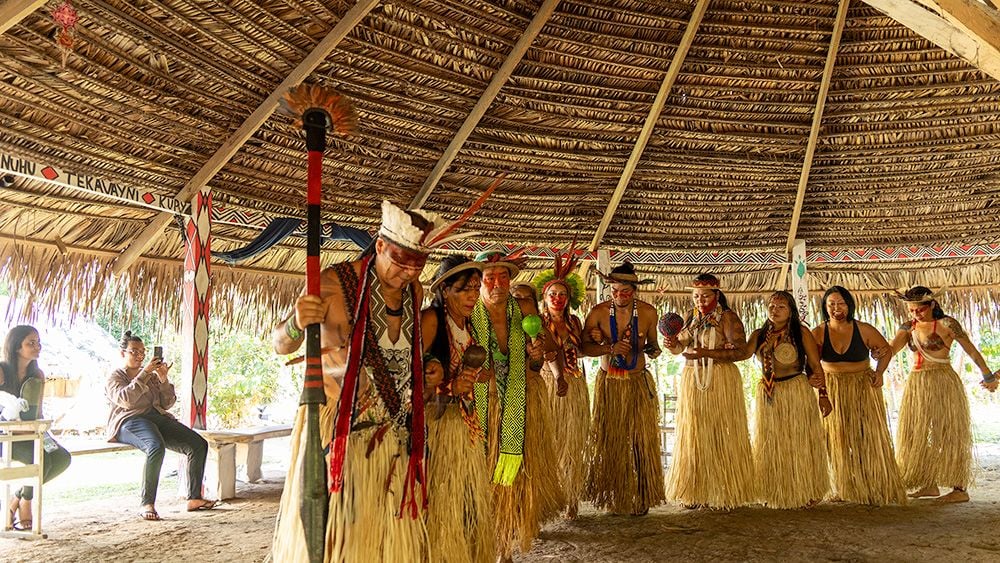
Along the banks of the Rio Negro, Indigenous communities welcome visitors interested in learning about cultural practices and ways of life shaped over generations.

RO
Image without alt

Immersion in the life of the Paiter Suruí people

This unforgettable experience takes place in the Sete de Setembro Indigenous Territory, home to the Paiter Suruí people, in the Cacoal region.

MA
Image without alt

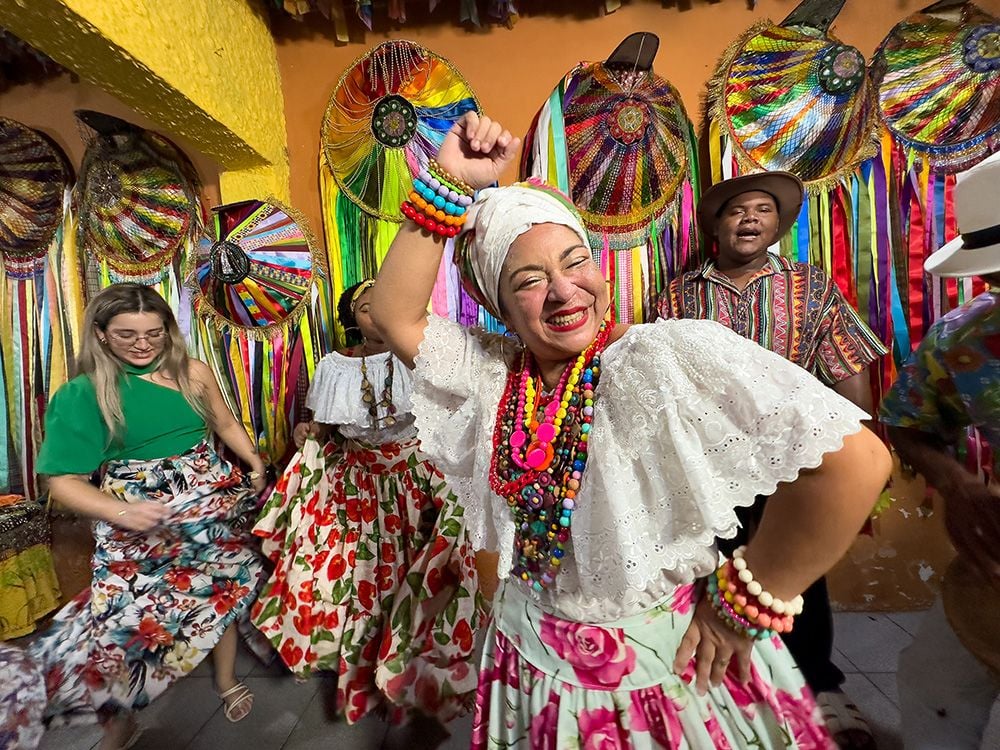
Black memory and culture in the Quilombo da Liberdade

The Liberdade neighborhood in São Luís is recognized as the largest urban quilombo in Latin America.

RR
Image without alt

Mount Roraima: a journey of body and soul across borders

The trekking experience to Mount Roraima takes place in a landscape of savannas and tepuis that connects the territories of Brazil, Venezuela, and Guyana.

RO
Image without alt

The sunset meets the Madeira River—and you—in the same place

One of the main rivers of the Amazon basin and the Amazon’s largest tributary, the Madeira has shaped the city’s history along its banks since the construction of the Madeira-Mamoré Railway.

TO
Image without alt

Cantão State Park: where the Amazon meets two other biomes

Cantão State Park, in Tocantins, is where the Amazon meets two other biomes—the Cerrado and the Pantanal.

MT
Image without alt

Cristalino State Park: feel the Amazon of Mato Grosso

In northern Mato Grosso, between the municipalities of Alta Floresta and Novo Mundo, Cristalino State Park protects around 184,000 hectares of Amazon rainforest.

MT
Image without alt

Xingu Indigenous Park: a territory cared for and protected across generations

In northeastern Mato Grosso, Xingu Indigenous Park was established in 1961 as the first large, continuous Indigenous territory officially demarcated in Brazil.

AP
Image without alt

Cabo Orange National Park: where scarlet ibises take flight

Established in 1980 and located between the municipalities of Oiapoque and Calçoene, the park protects a vast area of mangroves, flooded plains, and seasonally inundated forests.

PA
Image without alt

Piracaia: fish on the grill, by the riverside

In Alter do Chão, on the banks of the wide Tapajós River, the connection between food and togetherness is part of everyday life for riverside communities.

TO
Image without alt

Babassu Coconut Breakers: women’s autonomy in the forest

The experience takes place in communities such as Sumaúma, in Sítio Novo, or in municipalities like Araguatins.

RR
Image without alt

Branco River: an ancient relative of Roraima

The Branco River is Roraima’s main artery, rising in the Serra do Parima and flowing through the capital, Boa Vista, with waters that shift from muddy to bluish depending on the rainy season.

MT
Image without alt

São José do Rio Claro and birdwatching

The birdwatching experience takes place in São José do Rio Claro, in a region known as the “Garden of the Amazon.”

AP
Image without alt

Tumucumaque Crossing: a walk at the forest’s pace

Covering around 8.8 million hectares, Montanhas do Tumucumaque National Park is the largest tropical rainforest national park in the world.

AC
Image without alt

Chico Mendes Trail: a path into the past

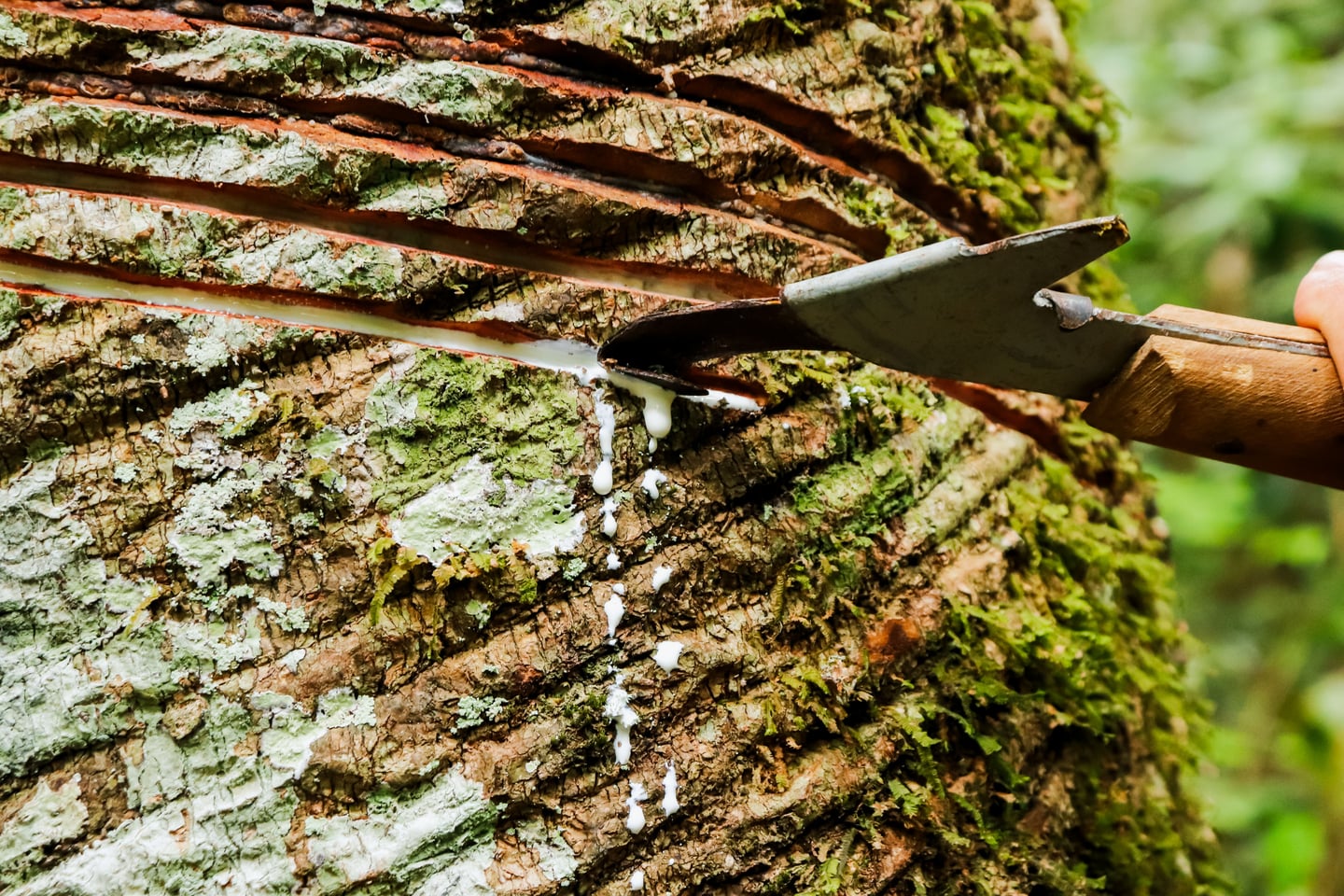
The Chico Mendes Trail runs through the Chico Mendes Extractive Reserve, in southeastern Acre—a territory created to protect the forest and the traditional way of life of extractive communities.

PA
Image without alt

Tracing riverside knowledge through the Tapajós National Forest

There is a place in the Amazon where golden and pink skies kiss the river before meeting the moon. Alter do Chão is a land where people celebrate their ancestral culture every day.

MA
Image without alt

A journey through African heritage in Maranhão’s past, present, and future

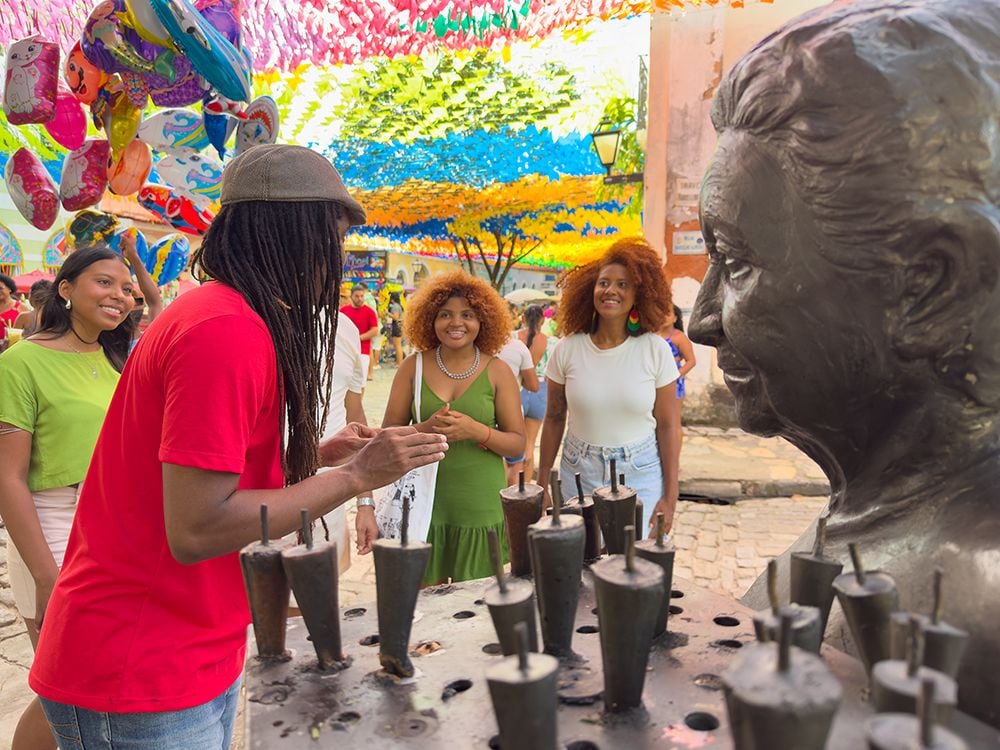
The Historic Center of São Luís, recognized as a UNESCO World Heritage Site, holds many layers of the city’s history.

RO
Image without alt

Guaporé River Valley: from pirarucu stewardship to the enchantment of river beaches

The Guaporé River Valley, on the border between Brazil and Bolivia, is characterized by vast floodplains and seasonally flooded forests in Rondônia.

AC
Image without alt

Shanenawa village experience: an immersion into the life of this people

In the municipality of Feijó, on the banks of the Envira River, an eight-day immersion invites visitors to experience the daily life of the Shanenawa people, whose name means “people of the blue bird.”

AM
Image without alt

Anavilhanas and the diversity of its islands

With hundreds of islands scattered along the Rio Negro, Anavilhanas National Park is home to one of the largest river archipelagos in the world.

AM
Image without alt

"Until the Tucupi" Tour: Amazonian flavors in downtown Manaus

Amazonian cuisine reveals much about the living memory of Indigenous peoples and their eating habits in northern Brazilian culture. Traditional dishes are deeply woven into everyday life.

AC
Image without alt

Birdwatching in Serra do Divisor: experiencing the Amazon through birdsong

In the far west of Acre, Serra do Divisor National Park is home to one of the greatest diversities of birdlife in the Amazon.

MA
Image without alt

Discover the Reentrâncias Maranhenses Environmental Protection Area

On the coast of Maranhão, the Reentrâncias Maranhenses Environmental Protection Area encompasses one of the largest continuous stretches of mangroves on the planet.

PA
Image without alt

From clay to wheel: Icoaraci

Marajoara and Tapajonic ceramics carry meanings that transcend time, revealing Indigenous perspectives on life.

PA
Image without alt

From cacao to chocolate: a sensory journey on Combu Island

Just a 20-minute boat ride from the vibrant city of Belém, there is a place where chocolate begins long before the first bite.

AP
Image without alt

Equator Landmark: a body in the world

The Equator Landmark marks the passage of the imaginary line that divides the Earth between the Northern and Southern Hemispheres.

RR
Image without alt

Maracá Ecological Station: a landmark in Amazon conservation

Roraima is home to one of the largest river islands of upland forest in the world, embraced by the bifurcation of the Uraricoera River: the Maracá Ecological Station.

TO
Image without alt

Bananal Island and the land of the Iny people

Bananal Island, in Tocantins, is the largest river island in the world, embraced by the Araguaia and Javaés rivers.

AM
Image without alt

Indigenous immersion on the Rio Negro: living culture along the riverbanks

Along the banks of the Rio Negro, Indigenous communities welcome visitors interested in learning about cultural practices and ways of life shaped over generations.

RO
Image without alt

Immersion in the life of the Paiter Suruí people

This unforgettable experience takes place in the Sete de Setembro Indigenous Territory, home to the Paiter Suruí people, in the Cacoal region.

MA
Image without alt

Black memory and culture in the Quilombo da Liberdade

The Liberdade neighborhood in São Luís is recognized as the largest urban quilombo in Latin America.

RR
Image without alt

Mount Roraima: a journey of body and soul across borders

The trekking experience to Mount Roraima takes place in a landscape of savannas and tepuis that connects the territories of Brazil, Venezuela, and Guyana.

RO
Image without alt

The sunset meets the Madeira River—and you—in the same place

One of the main rivers of the Amazon basin and the Amazon’s largest tributary, the Madeira has shaped the city’s history along its banks since the construction of the Madeira-Mamoré Railway.

TO
Image without alt

Cantão State Park: where the Amazon meets two other biomes

Cantão State Park, in Tocantins, is where the Amazon meets two other biomes—the Cerrado and the Pantanal.

MT
Image without alt

Cristalino State Park: feel the Amazon of Mato Grosso

In northern Mato Grosso, between the municipalities of Alta Floresta and Novo Mundo, Cristalino State Park protects around 184,000 hectares of Amazon rainforest.

MT
Image without alt

Xingu Indigenous Park: a territory cared for and protected across generations

In northeastern Mato Grosso, Xingu Indigenous Park was established in 1961 as the first large, continuous Indigenous territory officially demarcated in Brazil.

AP
Image without alt

Cabo Orange National Park: where scarlet ibises take flight

Established in 1980 and located between the municipalities of Oiapoque and Calçoene, the park protects a vast area of mangroves, flooded plains, and seasonally inundated forests.

PA
Image without alt

Piracaia: fish on the grill, by the riverside

In Alter do Chão, on the banks of the wide Tapajós River, the connection between food and togetherness is part of everyday life for riverside communities.

TO
Image without alt

Babassu Coconut Breakers: women’s autonomy in the forest

The experience takes place in communities such as Sumaúma, in Sítio Novo, or in municipalities like Araguatins.

RR
Image without alt

Branco River: an ancient relative of Roraima

The Branco River is Roraima’s main artery, rising in the Serra do Parima and flowing through the capital, Boa Vista, with waters that shift from muddy to bluish depending on the rainy season.

MT
Image without alt

São José do Rio Claro and birdwatching

The birdwatching experience takes place in São José do Rio Claro, in a region known as the “Garden of the Amazon.”

AP
Image without alt

Tumucumaque Crossing: a walk at the forest’s pace

Covering around 8.8 million hectares, Montanhas do Tumucumaque National Park is the largest tropical rainforest national park in the world.

AC
Image without alt

Chico Mendes Trail: a path into the past

The Chico Mendes Trail runs through the Chico Mendes Extractive Reserve, in southeastern Acre—a territory created to protect the forest and the traditional way of life of extractive communities.

PA
Image without alt

Tracing riverside knowledge through the Tapajós National Forest

There is a place in the Amazon where golden and pink skies kiss the river before meeting the moon. Alter do Chão is a land where people celebrate their ancestral culture every day.

MA
Image without alt

A journey through African heritage in Maranhão’s past, present, and future

The Historic Center of São Luís, recognized as a UNESCO World Heritage Site, holds many layers of the city’s history.

RO
Image without alt

Guaporé River Valley: from pirarucu stewardship to the enchantment of river beaches

The Guaporé River Valley, on the border between Brazil and Bolivia, is characterized by vast floodplains and seasonally flooded forests in Rondônia.

AC
Image without alt

Shanenawa village experience: an immersion into the life of this people

In the municipality of Feijó, on the banks of the Envira River, an eight-day immersion invites visitors to experience the daily life of the Shanenawa people, whose name means “people of the blue bird.”