Acre
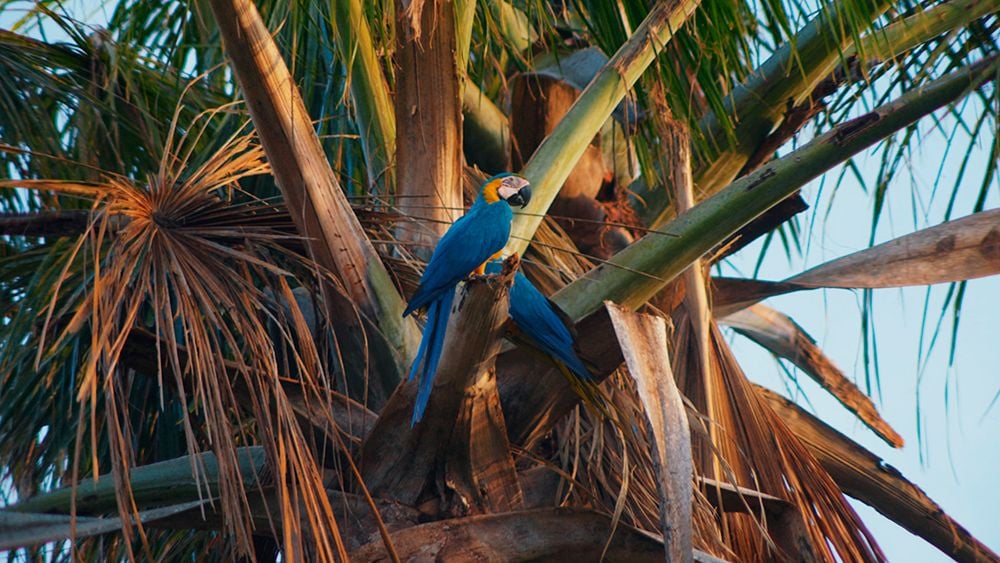
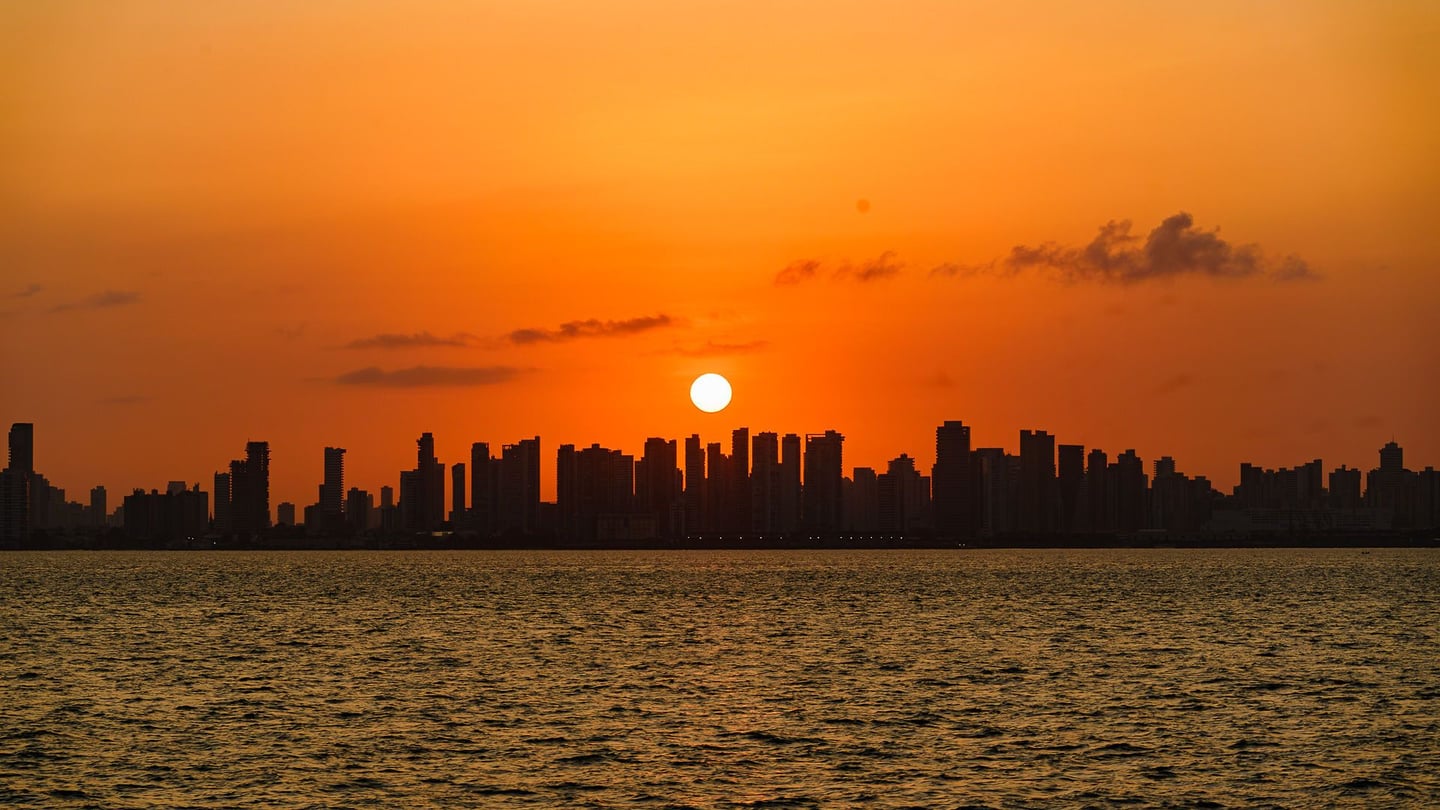
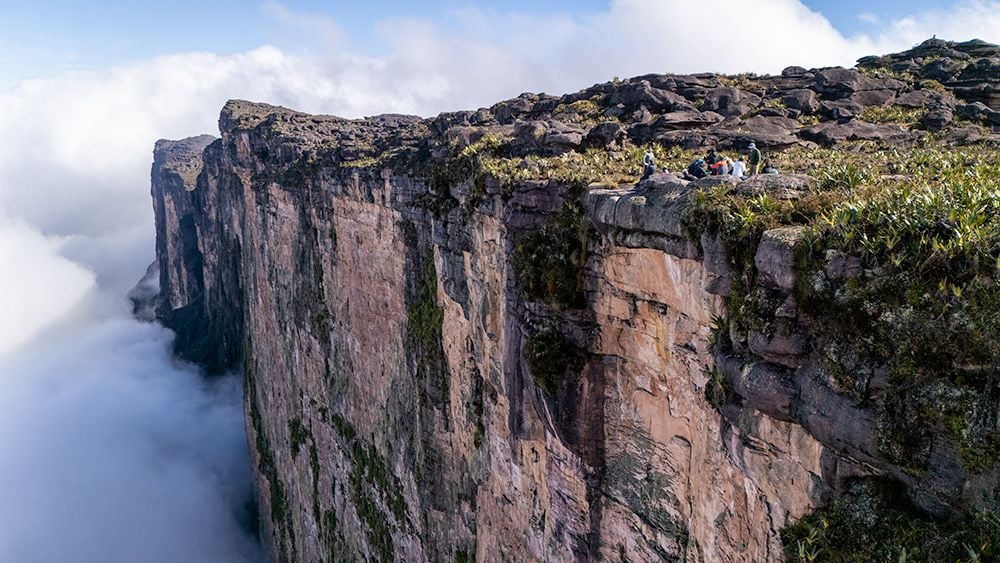
In Brazil’s far west, Acre is the last place in the country to see the sun set. Its Serra do Divisor is one of the most biodiverse places on the planet.

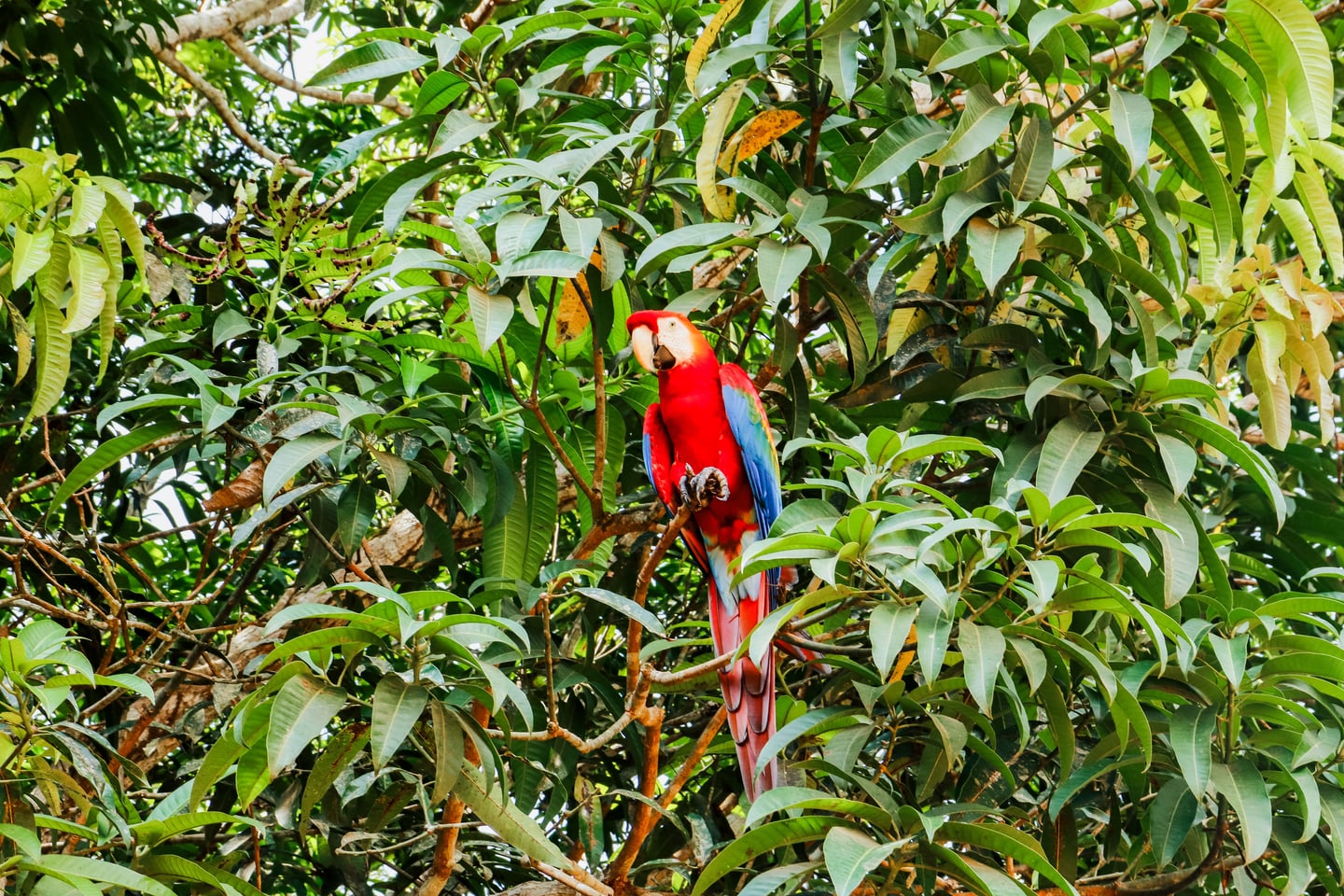
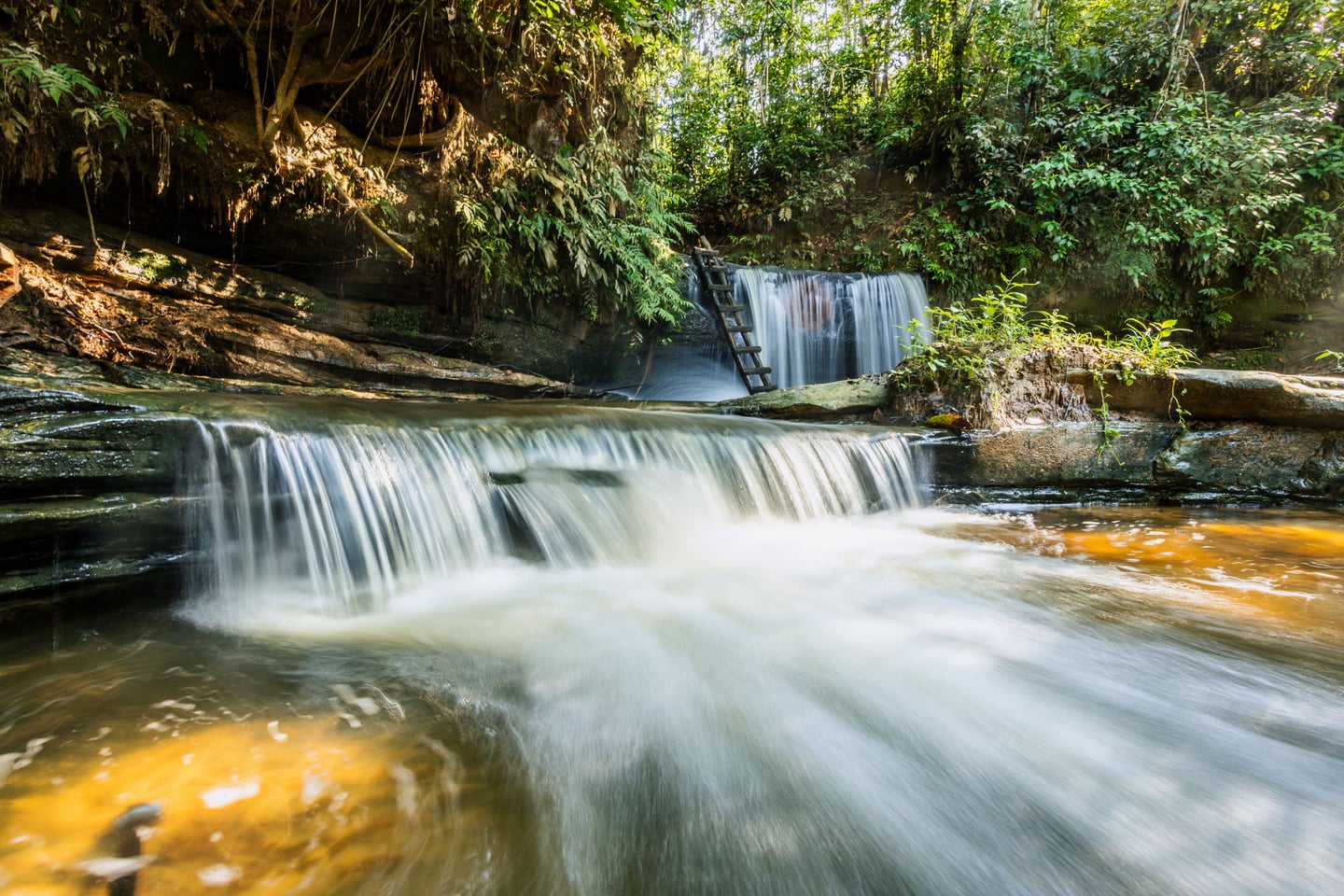
In western Maranhão, the Amazon reveals itself in the heart of Brazil’s Northeast. The Gurupi Reserve protects deep forests and winding rivers.
The Historic Center of São Luís, recognized as a UNESCO World Heritage Site, holds many layers of the city’s history. On the Cidade Griot tour, a guided walk explores this territory through the memory and contributions of Black communities to Maranhão’s cultural identity.
The route begins at the Cathedral of Sé and continues through streets and squares, addressing themes such as enslaved labor, spirituality, social organization, and African presence in architecture and everyday life. Stops include the Palácio dos Leões, the Catarina Mina Alley—named after an important 19th-century Black merchant—and the Mercado das Tulhas, where traditional crafts make perfect gifts.
The tour also includes visits to the Reggae Museum and Praça da Liberdade, home to the Monument to the African Diaspora. Led by Maranhão’s first Afrofuturist agency, the experience offers an attentive look at the histories and cultural practices shaped by Black communities, while also reflecting on the future of São Luís as a space of living identity.
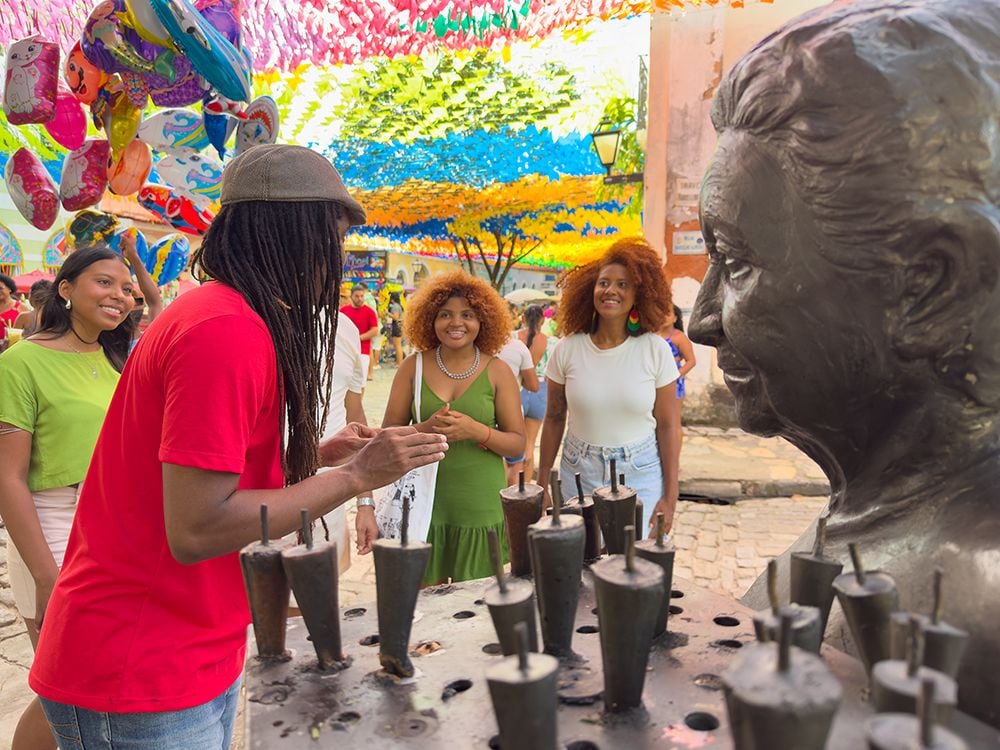
The Liberdade neighborhood in São Luís is recognized as the largest urban quilombo in Latin America. Formed by communities such as Liberdade, Camboa, and Fé em Deus, the area holds a strong African cultural tradition, built over generations by residents who keep practices, knowledge, and forms of community organization alive.
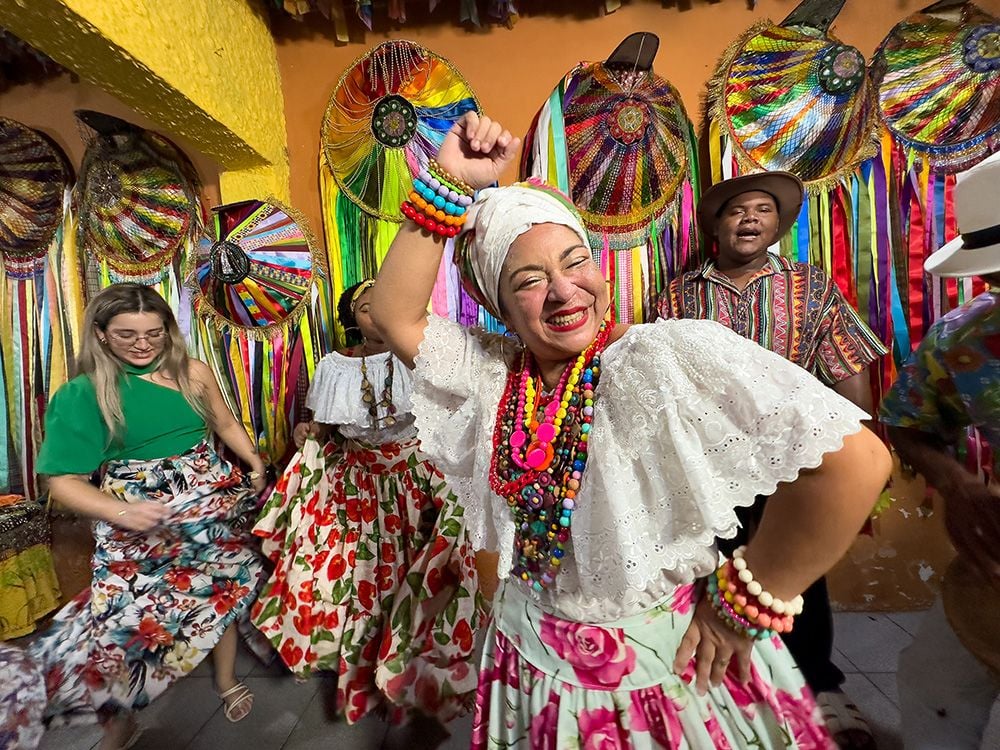
The visit begins with an encounter with traditional Bumba-meu-boi groups, such as Boi da Floresta, associated with the Baixada style, and Boi de Leonardo, from the zabumba style. Masters and performers present instruments, costumes, and the stories behind the songs that are part of this celebration, recognized as part of Brazil’s cultural heritage.
The route also includes the community space known as Novo Quilombo, where everyday objects, historical records, and residents’ stories help illustrate the formation of the neighborhood and the presence of the African diaspora in the city. In drum circles of tambor de crioula and moments of gathering, music and dance reveal how these traditions remain alive in daily life—a celebration of the vibrant Black Amazon present in every corner of this vast region.
On the coast of Maranhão, the Reentrâncias Maranhenses Environmental Protection Area encompasses one of the largest continuous stretches of mangroves on the planet. Established in 1991, this conservation unit spans an extensive coastal plain shaped by estuaries, streams, and channels that connect the sea to the rivers. Visitors can explore the mangrove waterways with local guides, especially in communities such as Cururupu.
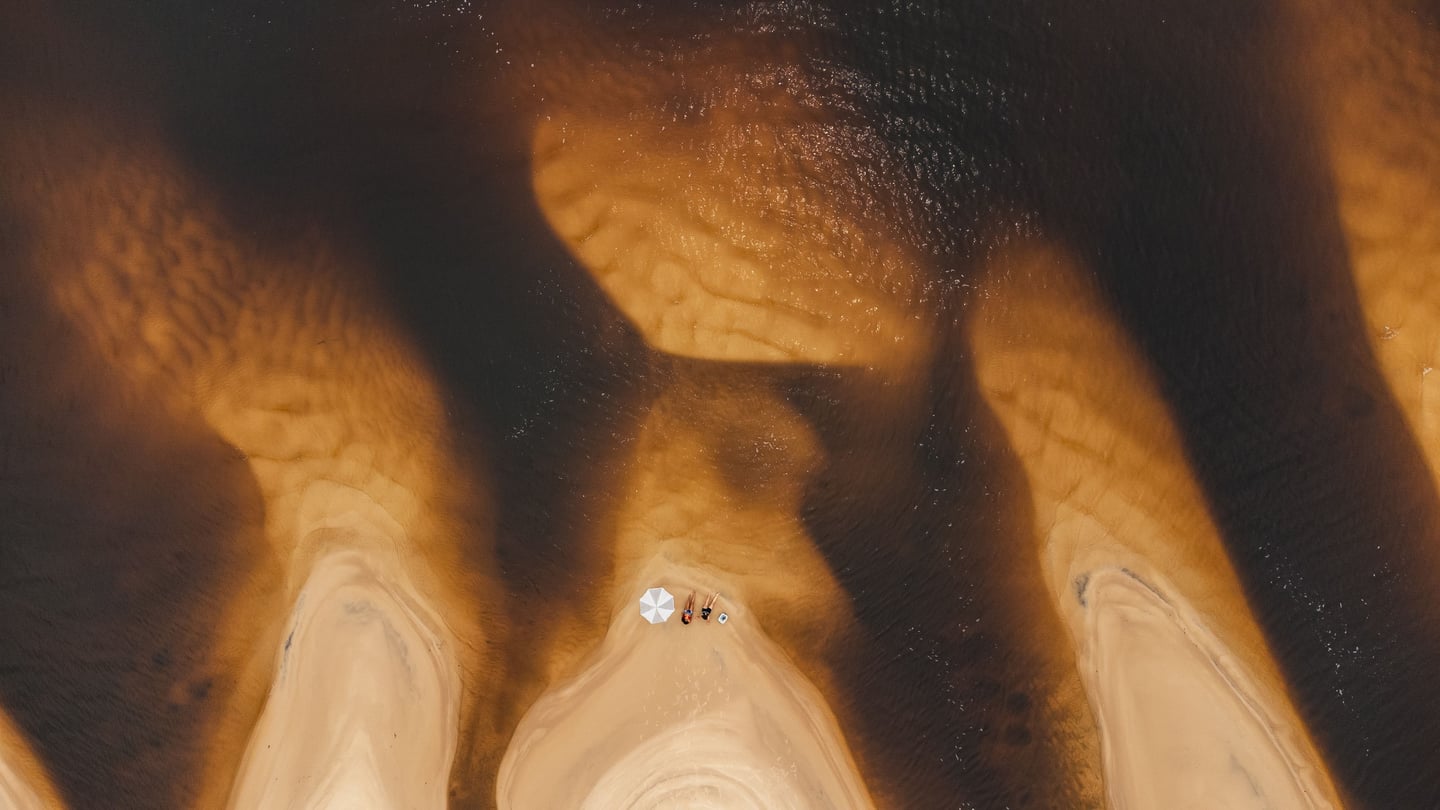
In small boats, the journey follows the rhythm of the tides, crossing the winding waterways that shape the landscape. Along the way, it is possible to observe bird feeding areas and nesting sites that make the region an important haven for migratory species and for the scarlet ibis.
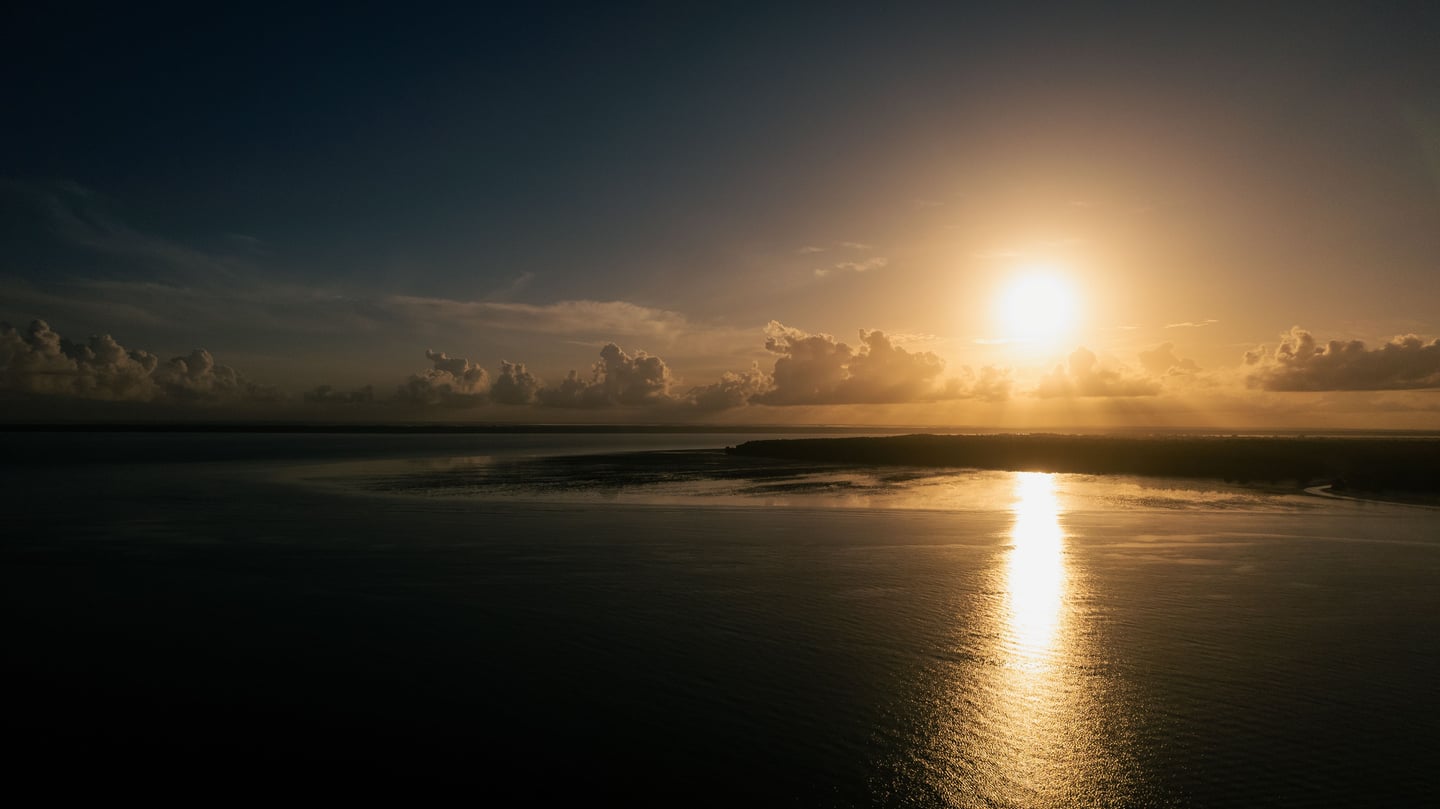
As the boat moves slowly forward, the water reflects the sky of the Amazonian coast. Mangrove roots appear and disappear as the tide rises and falls. In this constant movement between river and ocean, the people of this territory live in sync with the waters.