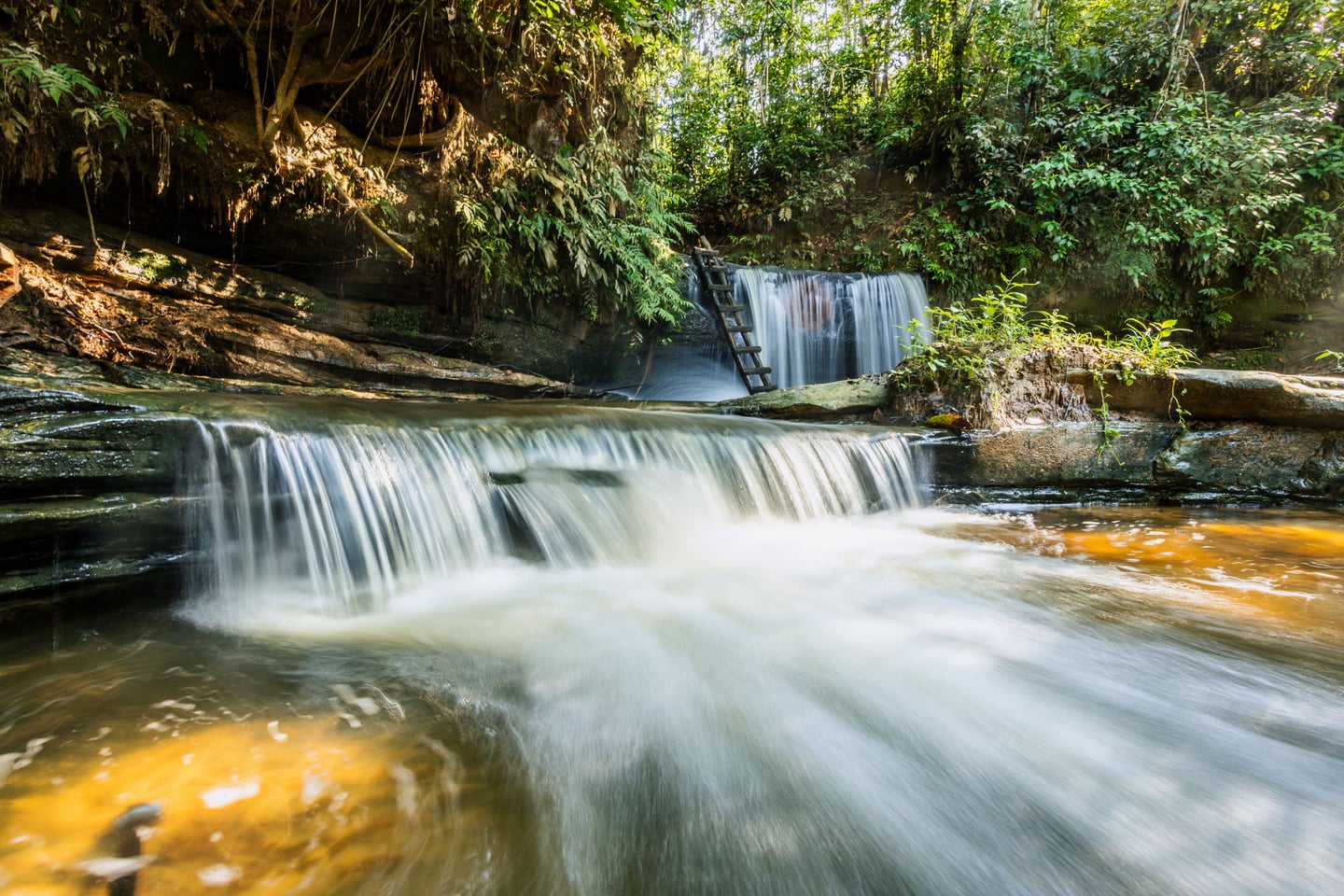
Acre
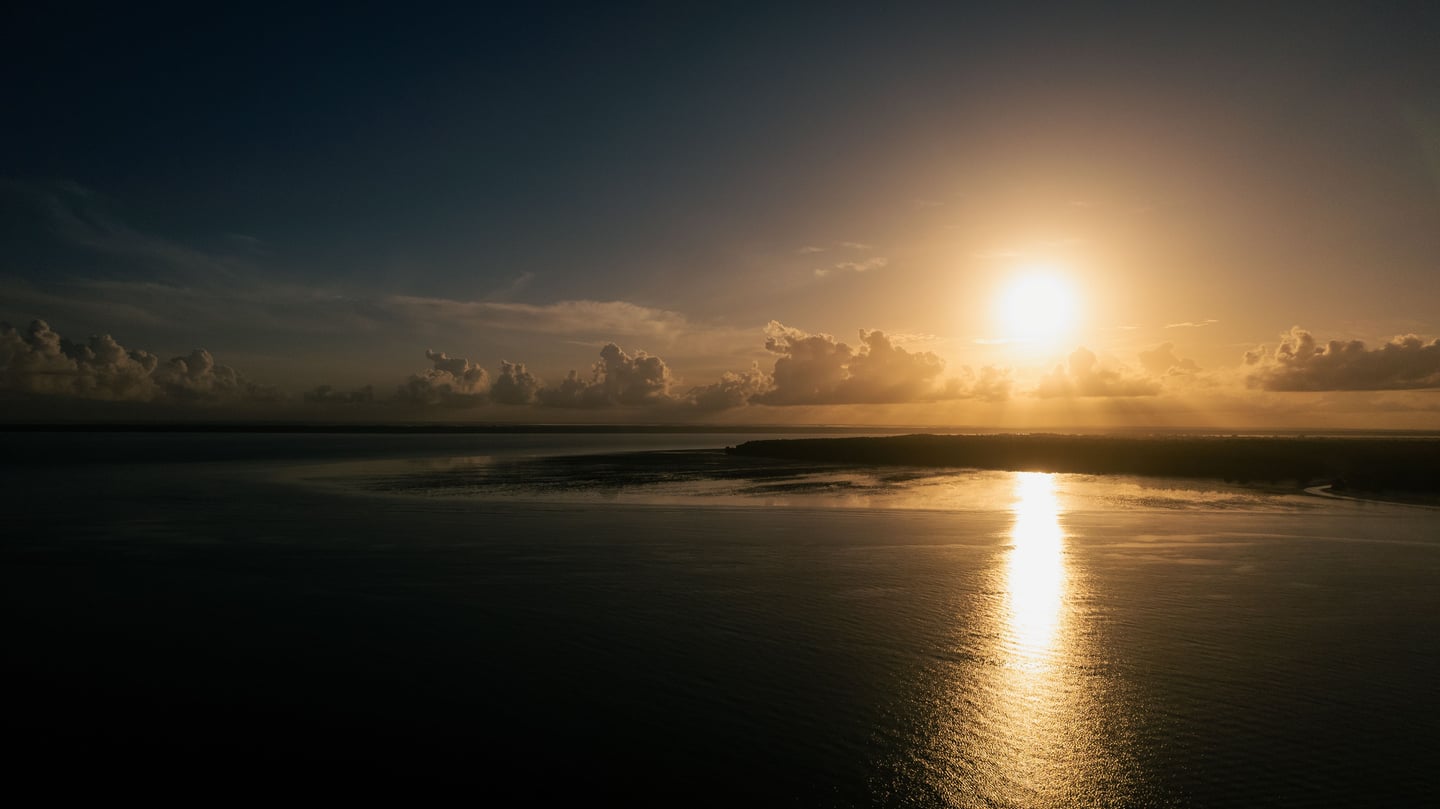
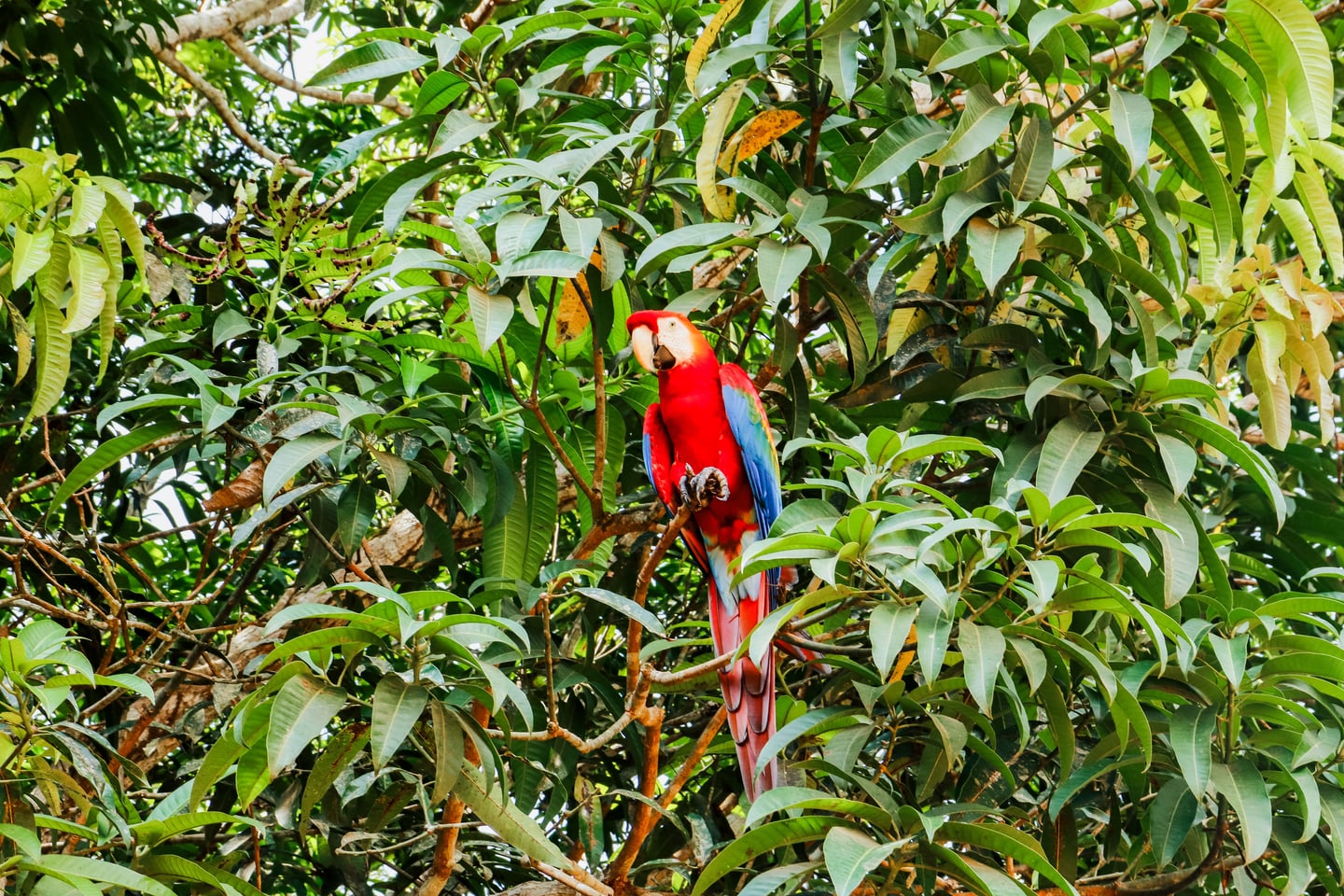
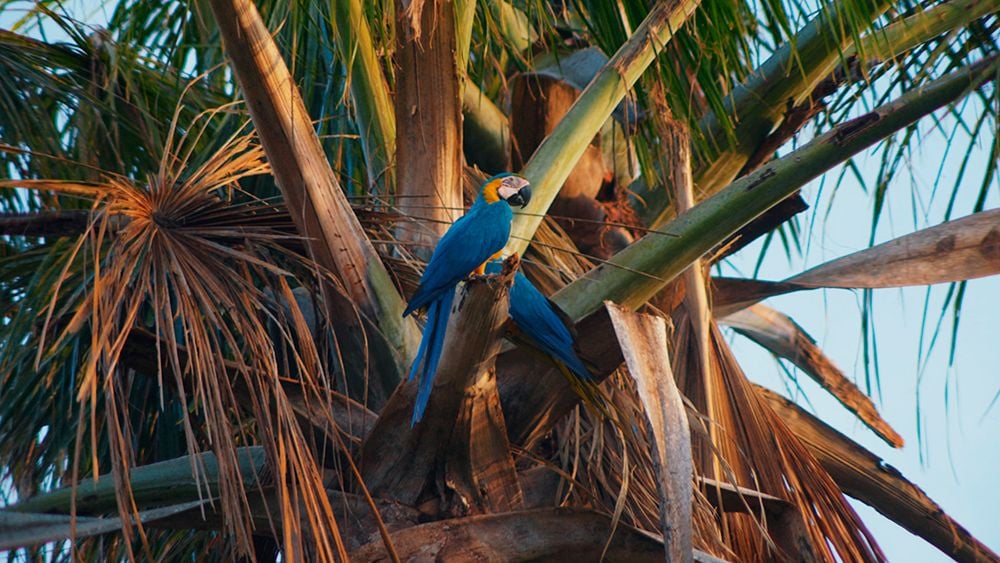
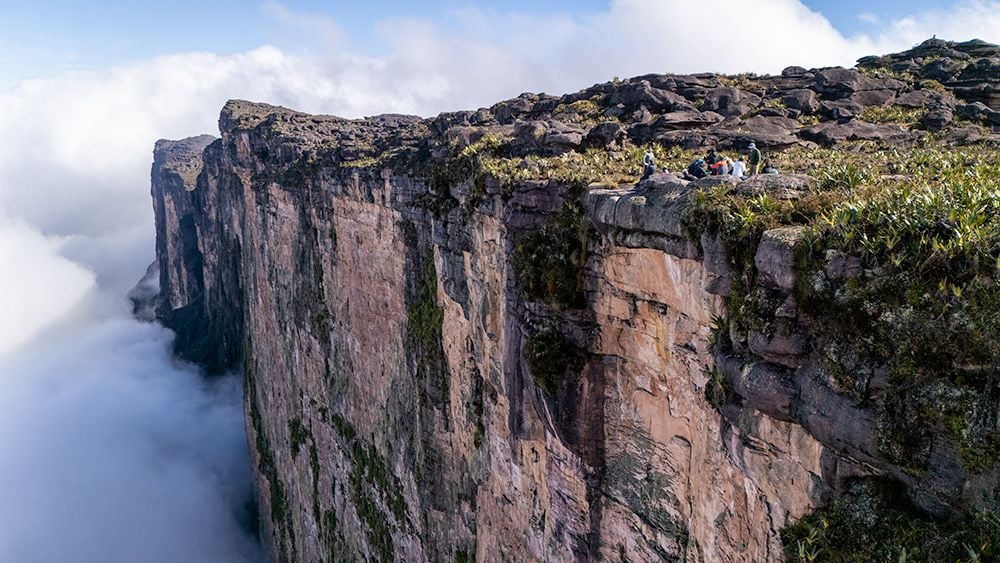
In Brazil’s far west, Acre is the last place in the country to see the sun set. Its Serra do Divisor is one of the most biodiverse places on the planet.


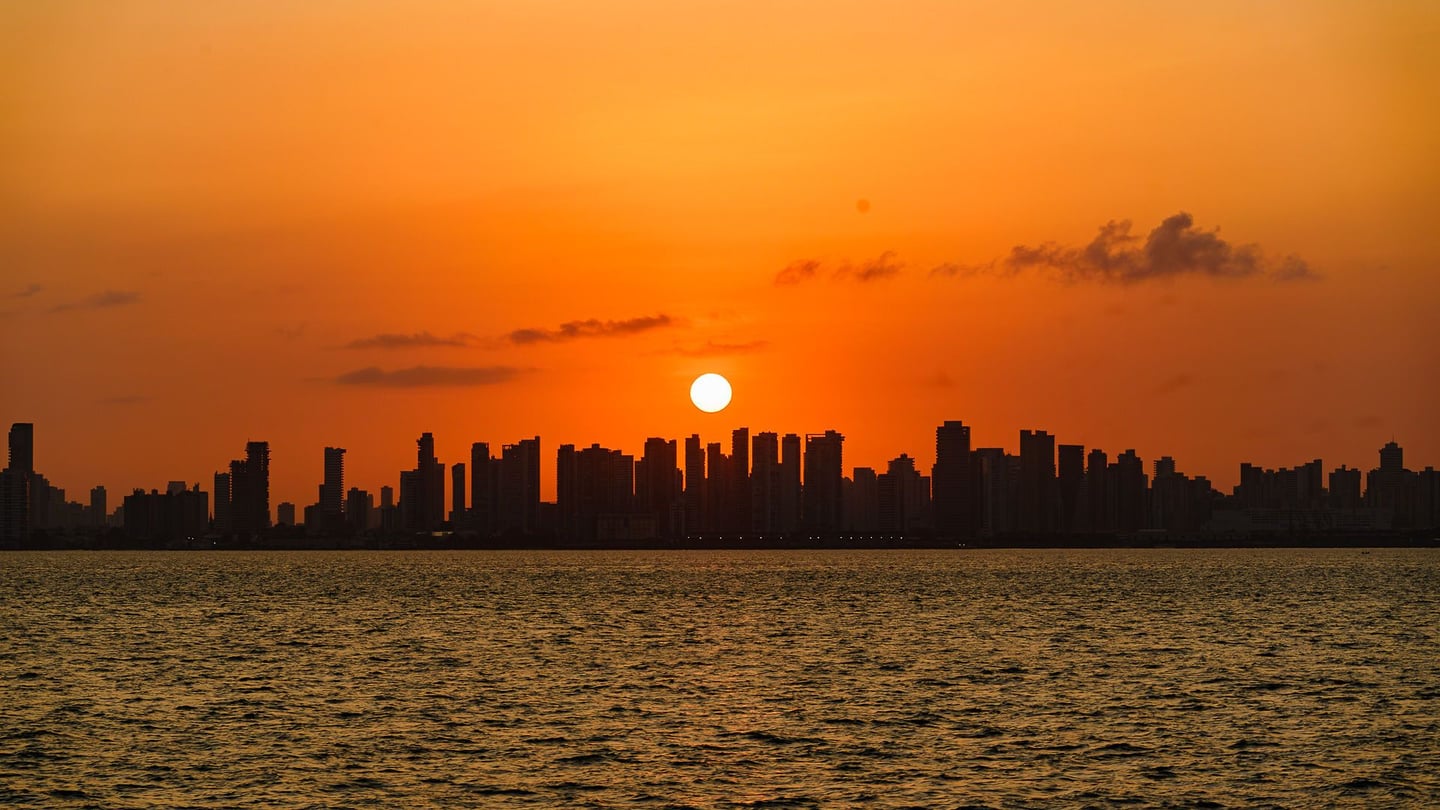
The world’s largest producer of açaí, Pará is home to Belém, a vibrant Amazonian city. It is also home to Marajó Island, where buffalo roam along river beaches at the mouth of the Amazon.
Just a 20-minute boat ride from the vibrant city of Belém lies a place where chocolate begins long before the first bite. On Combu Island, forest fruits, ancestral knowledge, and oral traditions come together in an experience that reveals the Amazon through the senses.
The journey begins in the morning and, within minutes, the rhythm of the city gives way to the subtle sounds of the forest. On Combu, the visit continues to the agroforestry property of Dona Nena, a riverside resident who created a brand as strong as herself: Filha do Combu. Among cacao trees, Brazil nut trees, and other native species, she presents the path of cacao—from freshly harvested fruit to bean fermentation, all the way to handcrafted chocolate made on-site using only cacao and organic sugar.
The experience ends with a tasting of chocolates, fruits, and jams. More than sampling the flavors of the forest, visitors discover the stories of those who help keep it standing. Returning to Belém, they carry something hard to put into words: the feeling of having experienced a connection that comes from within.
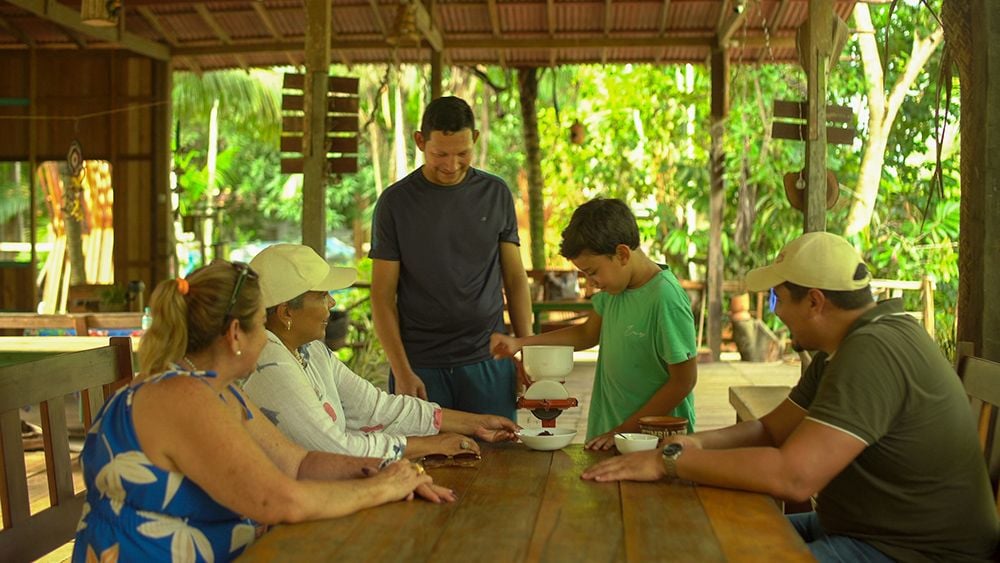
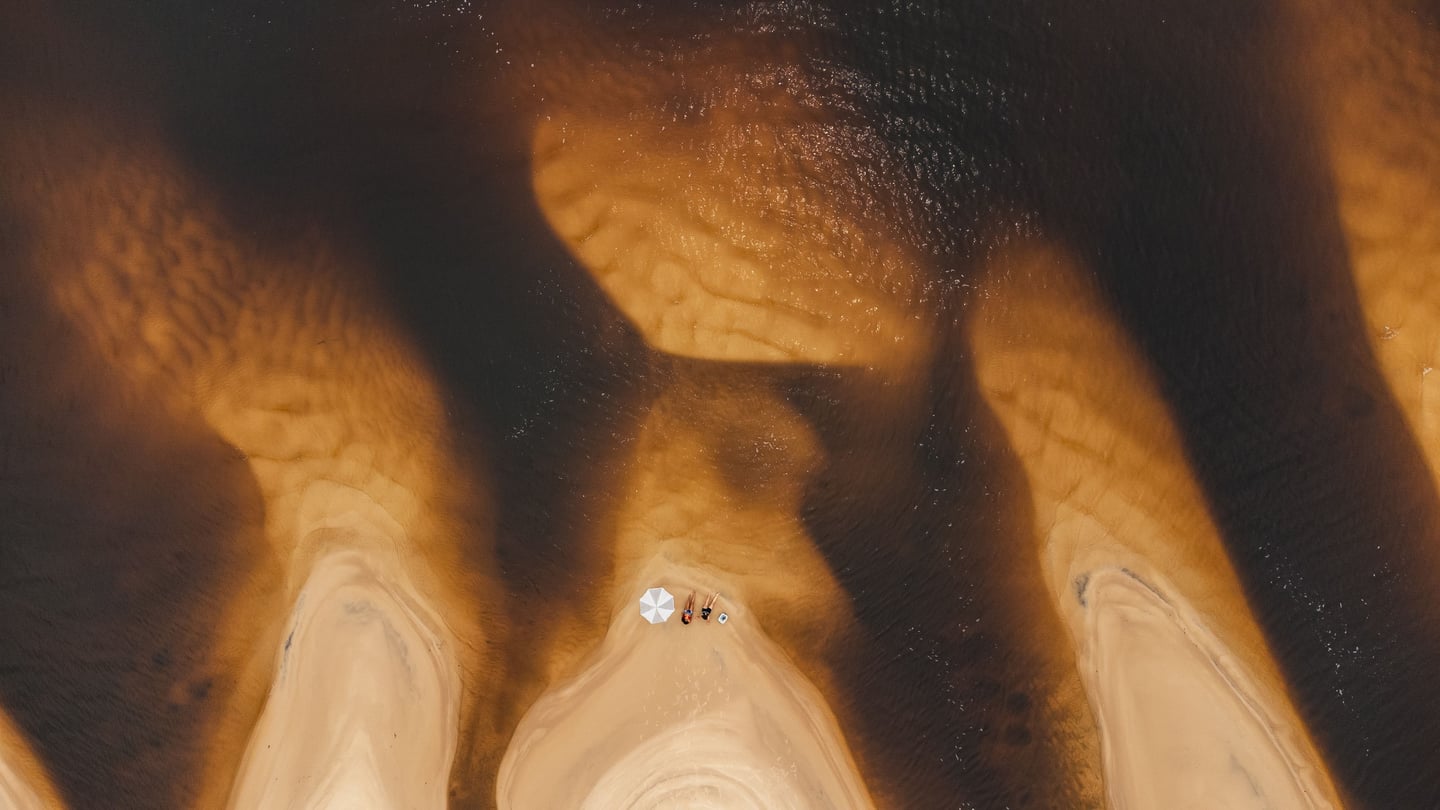
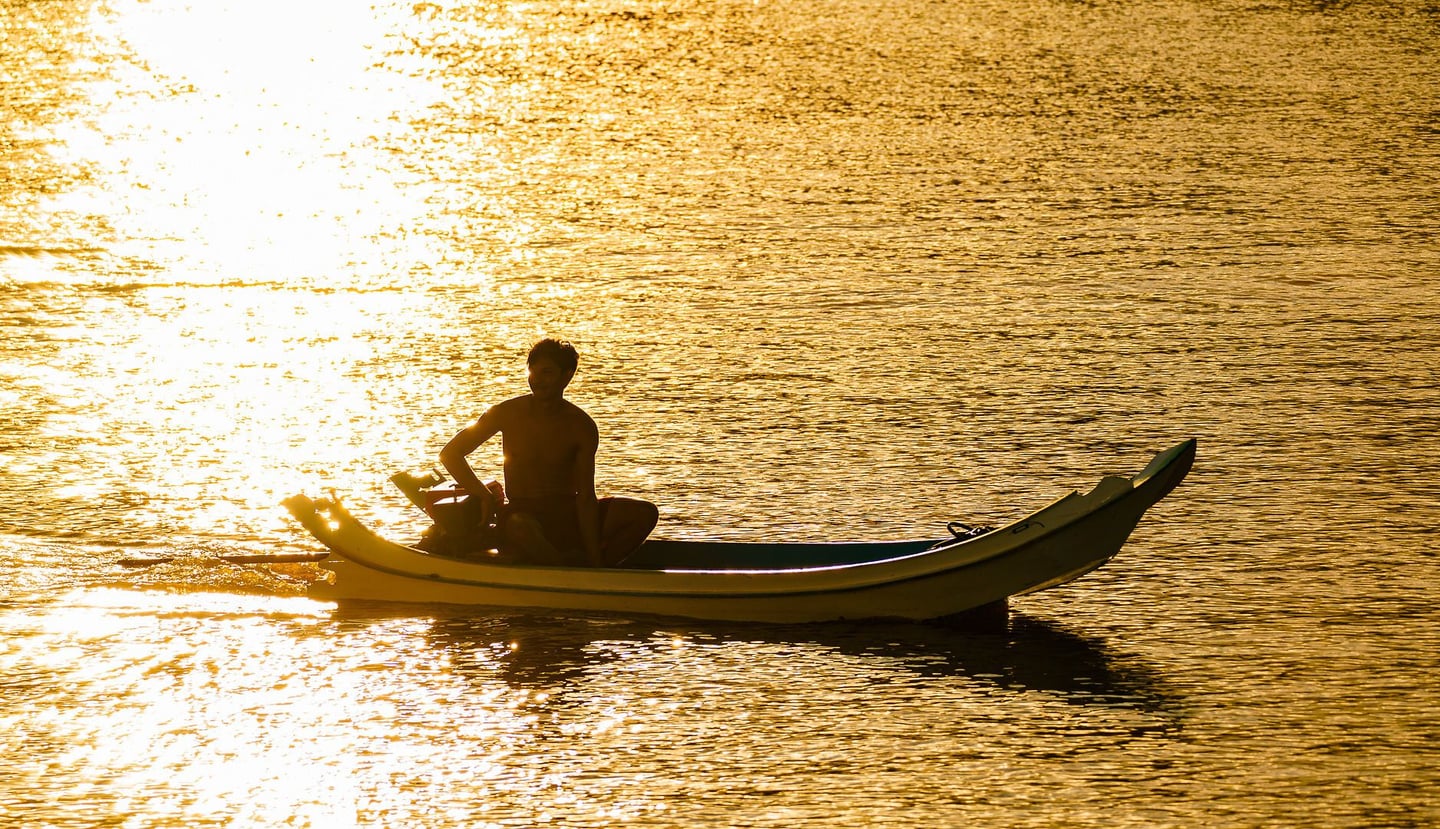
There is a place in the Amazon where golden and pink skies kiss the river before meeting the moon. Alter do Chão is a land where people celebrate their ancestral culture every day. By land or by river, it’s worth exploring every corner of this town rooted in Borari heritage.
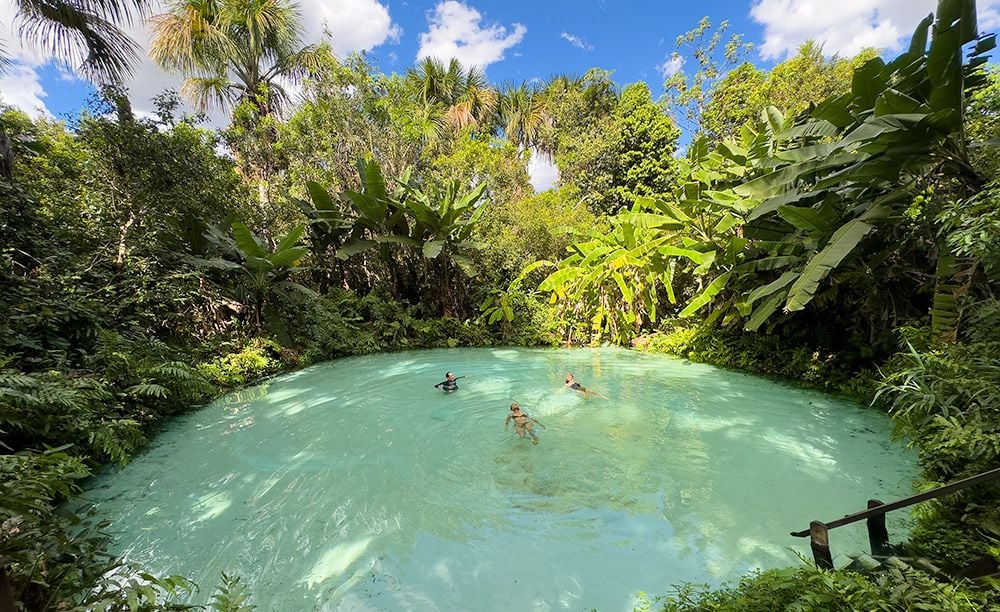
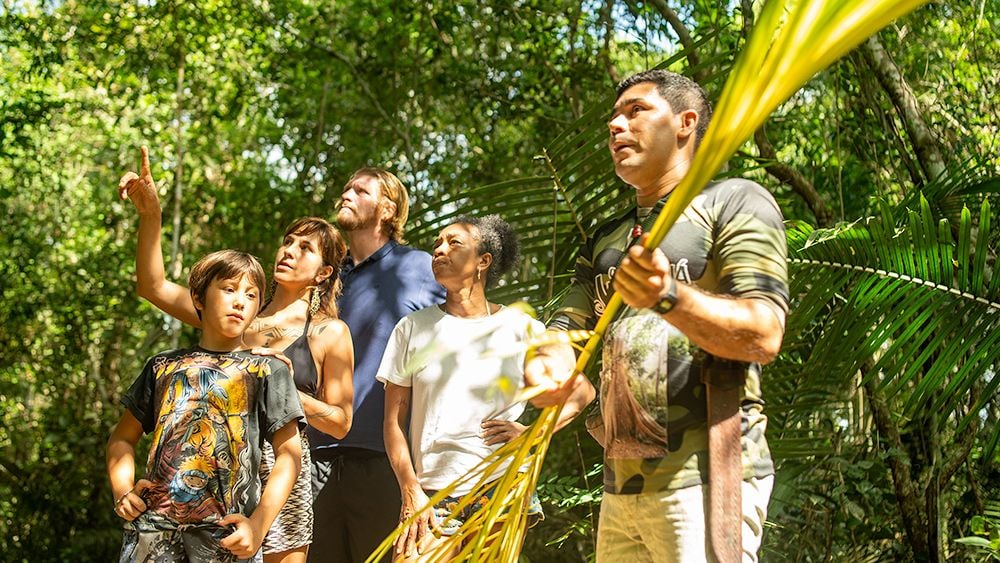
At its gateway lies the Tapajós National Forest, one of the last areas of intact primary forest. There, in the community of Jamaraquá, people live in harmony with nature—extracting andiroba and copaíba oils used for healing massages, while guiding visitors through the forest and sharing knowledge about native species. The beaches of Muretá and Pindobal offer the perfect stop for a refreshing swim.
For those seeking a deeper immersion, it’s possible to stay overnight in the forest, either in community homes or along the Jamaraquá Trail. In the streams, a spiritual being is said to dwell—an Encantado who protects the waters. In the end, Alter do Chão is more than a visit; it’s an unforgettable destination.
Marajoara ceramics, originating from Marajó Island, stand out for the complexity of their geometric patterns, while Tapajonic ceramics, developed by the peoples of the Tapajós River, are known for their zoomorphic forms. Beyond their beauty, they carry meanings that span generations, revealing Indigenous perspectives on life.
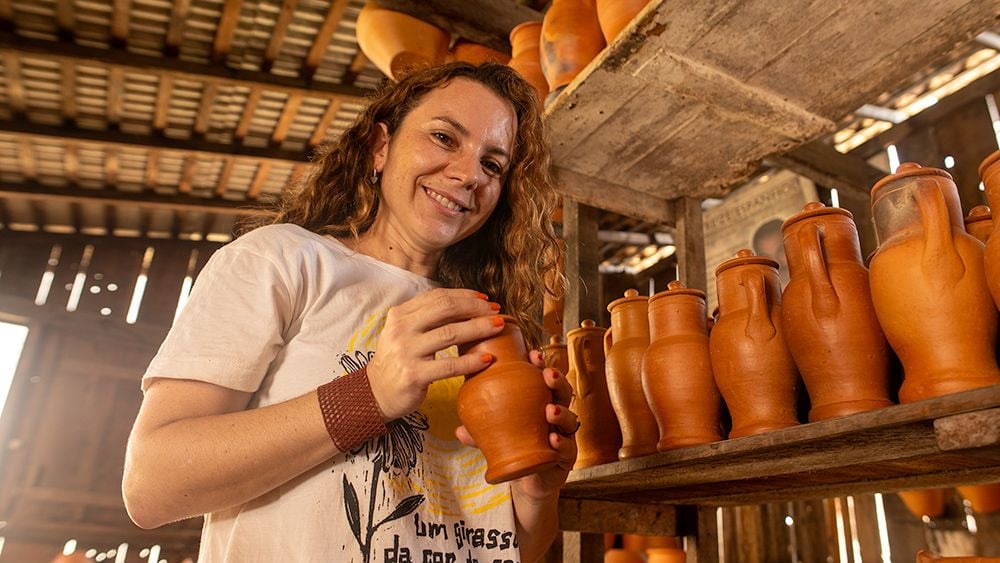
In the neighborhood of Icoaraci, this tradition lives on in the hands of master potters. With one of them, you’ll shape your own piece. The experience begins at 11 a.m. at Olaria do Espanhol, with master artisan Ciro Croelhas, heir to a workshop founded in 1924 by his father. During a tour of the studio, he shares his family’s legacy and walks you through each stage of the production process.
Then, it’s your turn to get hands-on and shape your own piece on a traditional wheel, experiencing the sensitivity of this craft in practice. In the shop, you’ll want to take every piece with you. From there, the experience ends at the Icoaraci waterfront, enjoying the view and local dishes served at the food stalls.
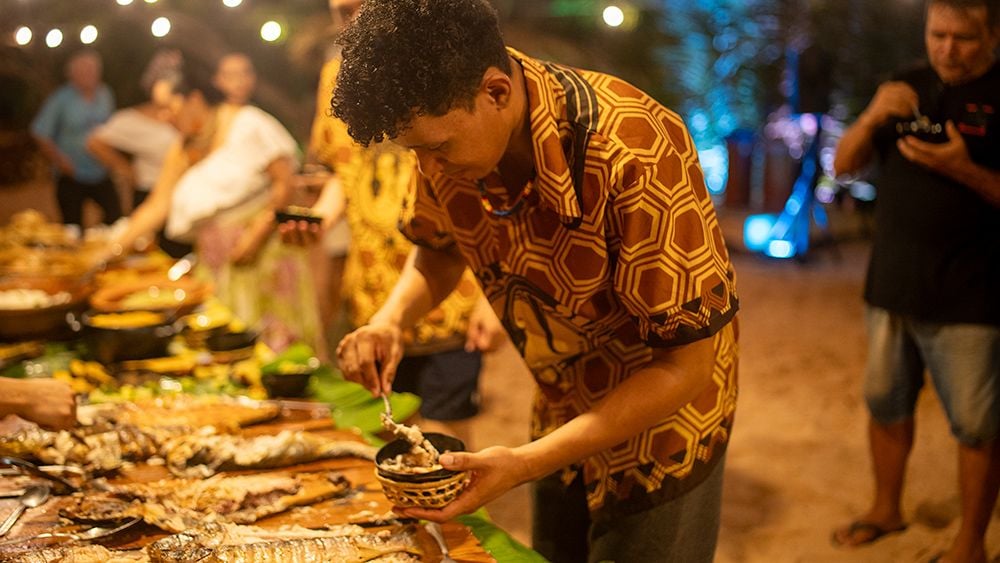
In Alter do Chão, on the banks of the wide Tapajós River, the connection between food and togetherness is part of everyday life for riverside communities. Piracaia is a traditional meal where fish is slowly grilled over an open fire by the river. Common among fishermen, it grows from a direct relationship with the river and with ingredients that arrive fresh to the table.
The experience begins at the end of the afternoon, when locals and visitors gather along the Tapajós. The choice of fish is up to each guest—options include tambaqui, pirarucu, and tucunaré—accompanied by local flours and seasonings that complete the dish.
As the evening unfolds, sparks rise into the sky along with the aroma of roasting fish. The sound of the water blends with conversations that flow naturally around the fire. Sharing the meal brings everyone together under the stars, where people and nature become one.