Acre
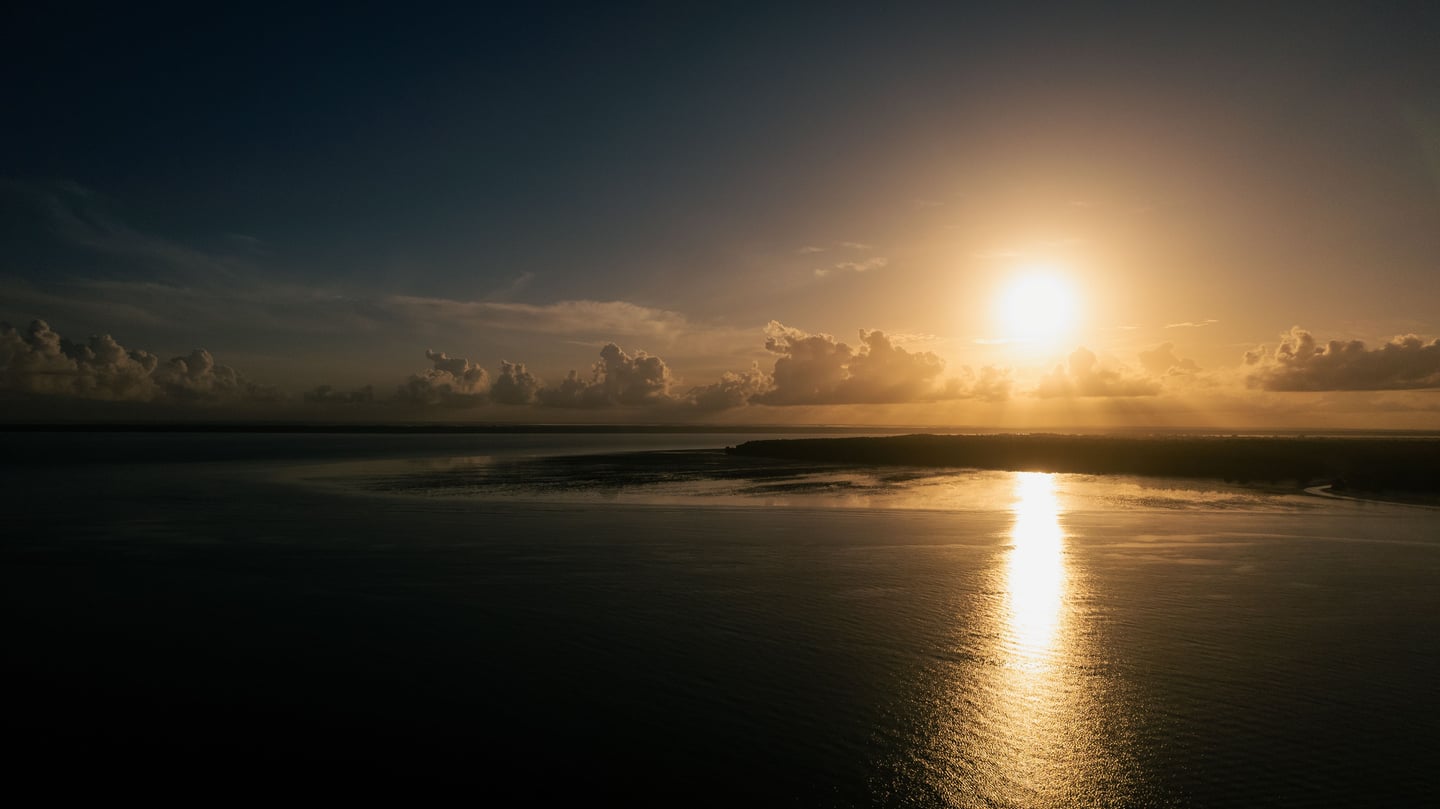
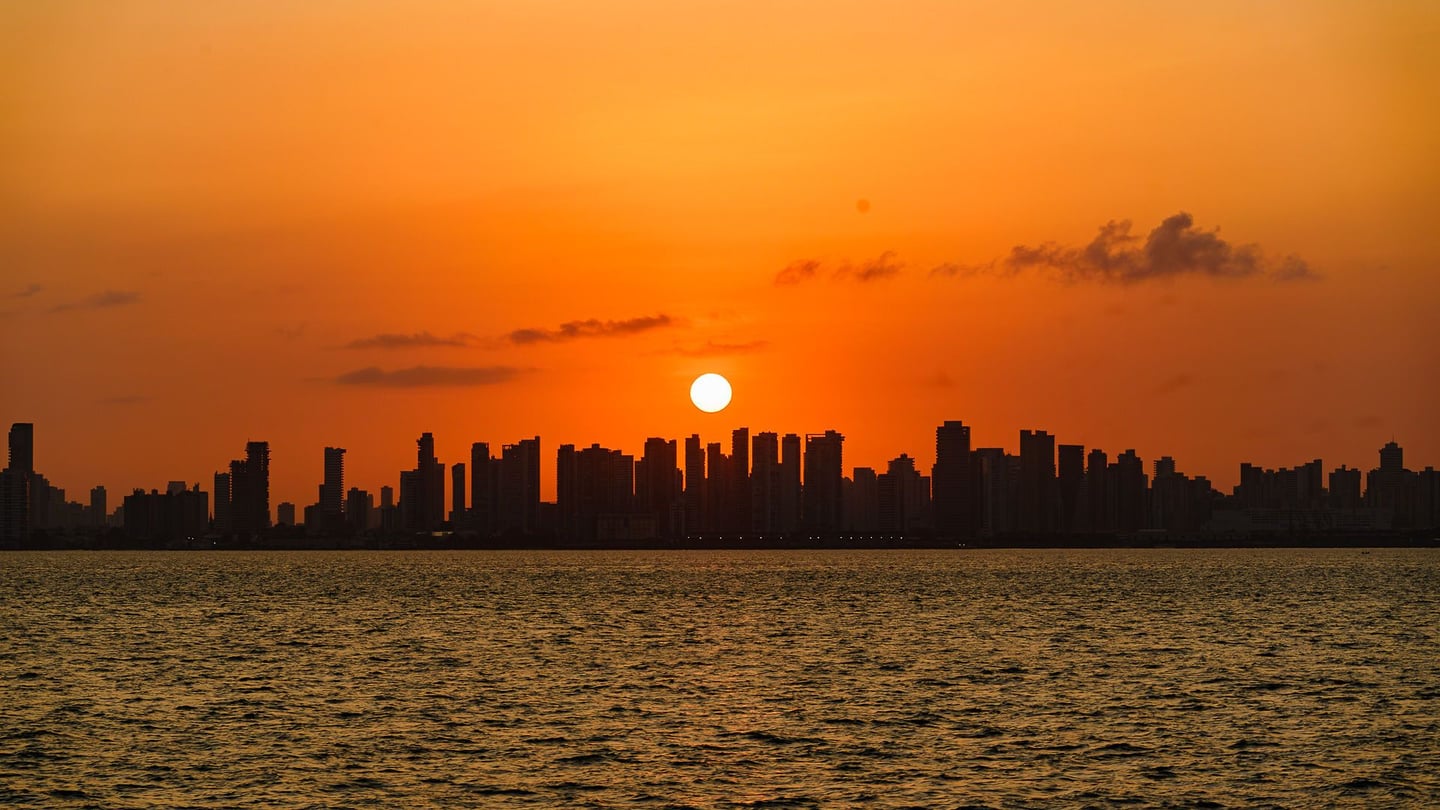
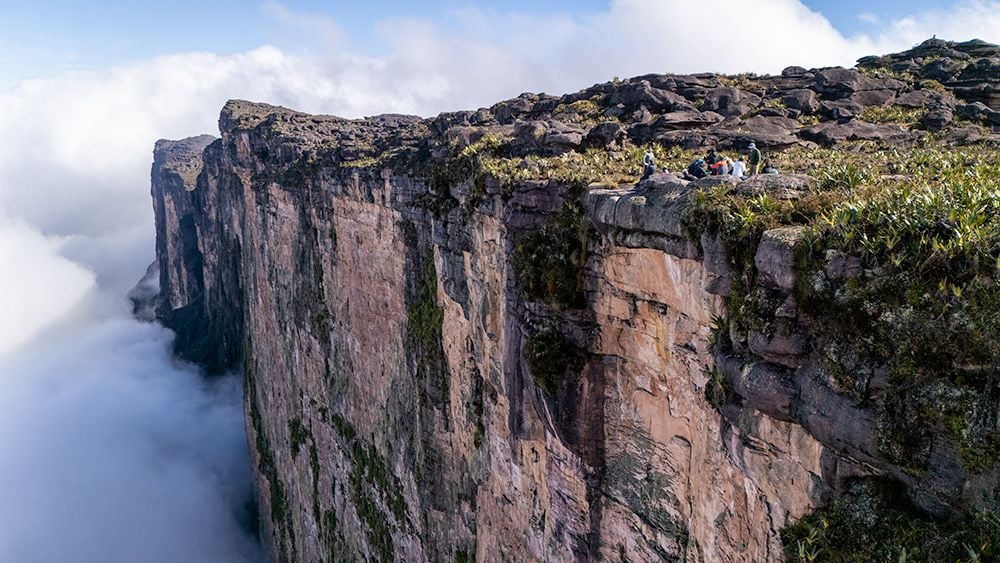
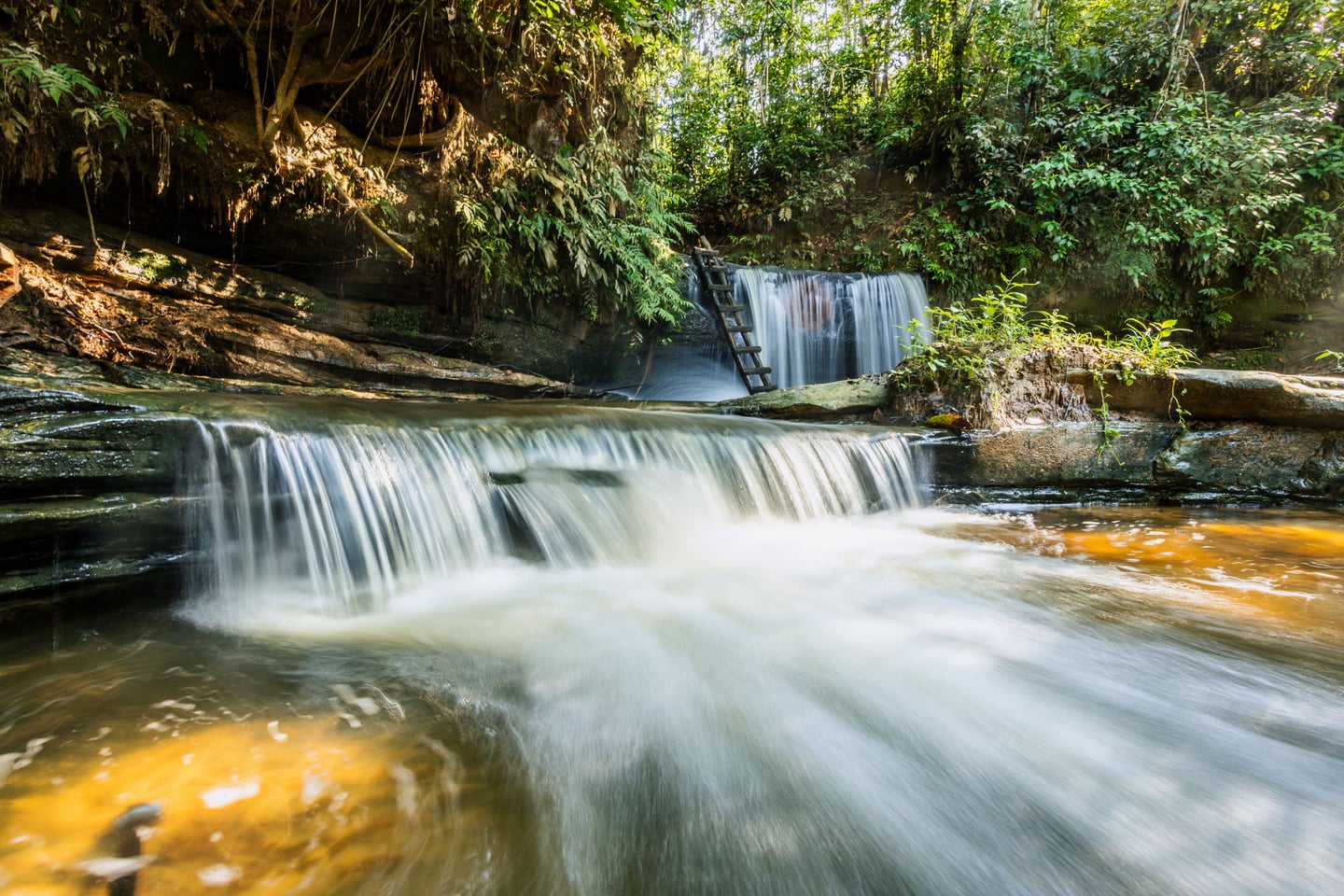
In Brazil’s far west, Acre is the last place in the country to see the sun set. Its Serra do Divisor is one of the most biodiverse places on the planet.


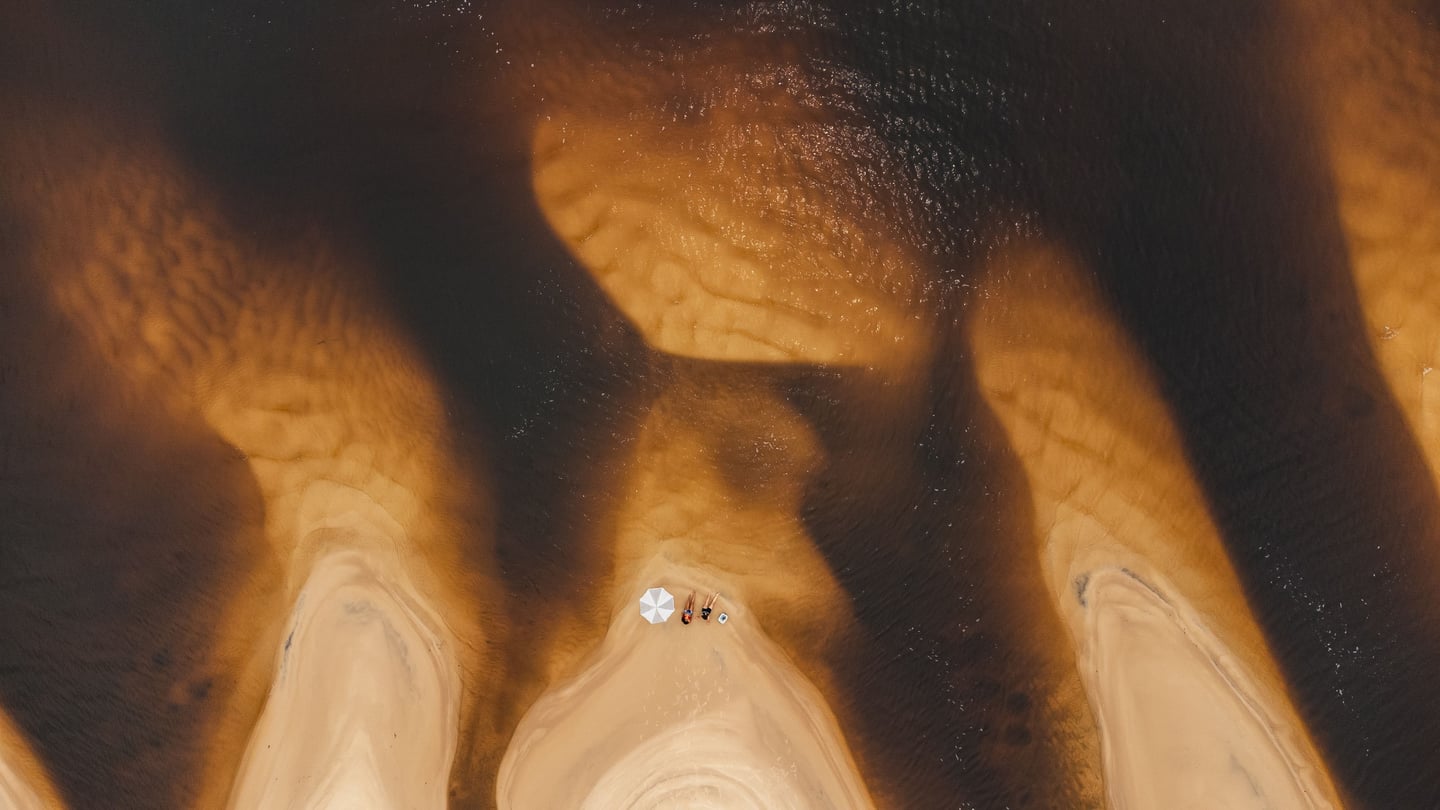
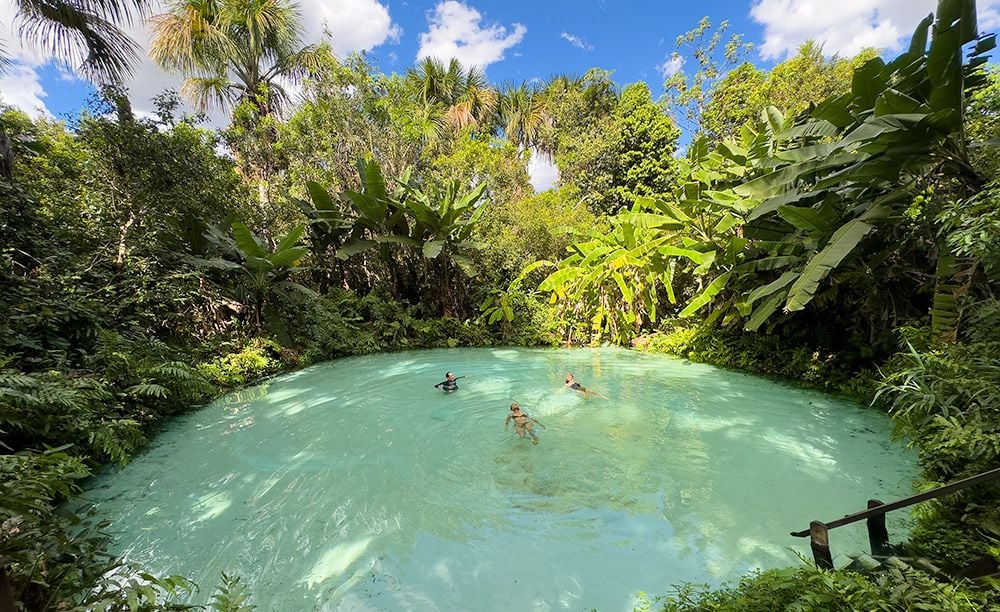
Mato Grosso is also part of the Amazon rainforest. In Cristalino State Park, clear rivers wind beneath the forest canopy.
In the northeast of Mato Grosso state, Xingu Indigenous Park was established in 1961 as the first large, continuous Indigenous territory officially recognized in Brazil. It protects lands inhabited by diverse Indigenous peoples. The landscape is shaped by rivers such as the Xingu River and by forest areas that follow their courses, forming environments essential to both biodiversity and the ways of life of these communities.
One of the most respectful ways to engage with this region is through authorized visits, organized in partnership with Indigenous associations and cultural exchange initiatives. These experiences typically last a few days and include conversations about the territory, walks around the villages, and moments of sharing food, crafts, and stories about the relationship between forest, river, and community life.
Throughout the stay, daily life follows the rhythm of the village, aligned with the natural cycles of the forest. The land provides both sustenance through food and spiritual healing through the invisible beings believed to inhabit it. Traveling through the Xingu reveals that beyond the landscape lies the ongoing care of many peoples across generations.
In northern Mato Grosso, between the municipalities of Alta Floresta and Novo Mundo, Cristalino State Park protects around 184,000 hectares of Amazon rainforest. Established in 2001, the park encompasses diverse ecosystems, including dense rainforest, white-sand forests, and river-influenced areas. More than 600 bird species have been recorded here, along with mammals, reptiles, amphibians, and thousands of plant and butterfly species.
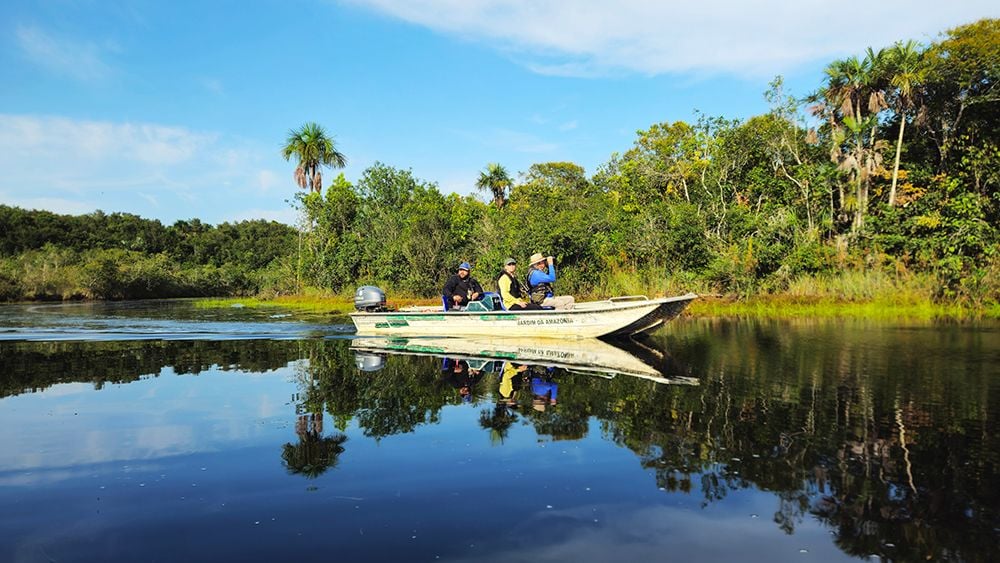
Visitors can stay in lodges around the park, combining guided forest trails, boat trips along the Cristalino River, and birdwatching. Local guides lead walks through upland forest trails and take visitors to observation towers built above the canopy, where it’s possible to watch the sunrise over the forest and observe bird activity from above.
Between hikes and river journeys, the forest gradually reveals itself—the river opening the way, the continuous canopy offering shelter, and the Amazon’s warmth rising from within. Here, the Amazon of Mato Grosso is felt in the details, experienced through all the senses by those who take the time to notice.
The birdwatching experience takes place in São José do Rio Claro, in a region known as the “Garden of the Amazon.” Located along the Rio Claro, the area marks the meeting point of two Brazilian biomes: the Cerrado and the Amazon rainforest. This combination creates ideal conditions for a remarkable diversity of species, with more than 570 birds recorded.
On the Jatobá Trail, a guided three-kilometer walk through the forest reveals plant species used by local communities for medicinal purposes. Along the way, visitors can spot beautiful birds such as the band-tailed antbird, the fire-crowned manakin, and the central Brazilian tyrannulet. The route continues along the shorter Lagoa Trail, where Cerrado and Amazon vegetation meet. Here, attentive listening is essential to identify species by the songs echoing through the forest.
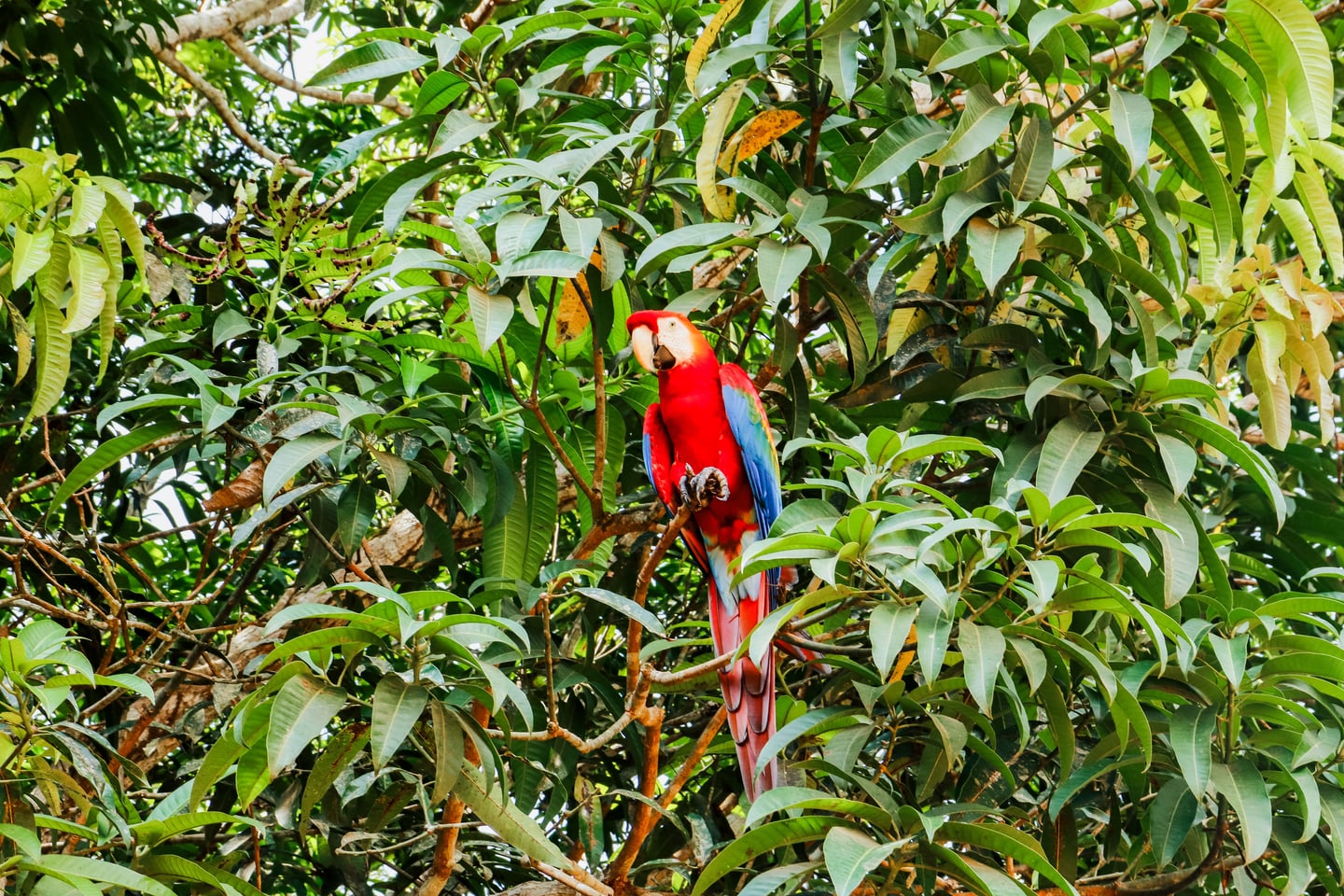
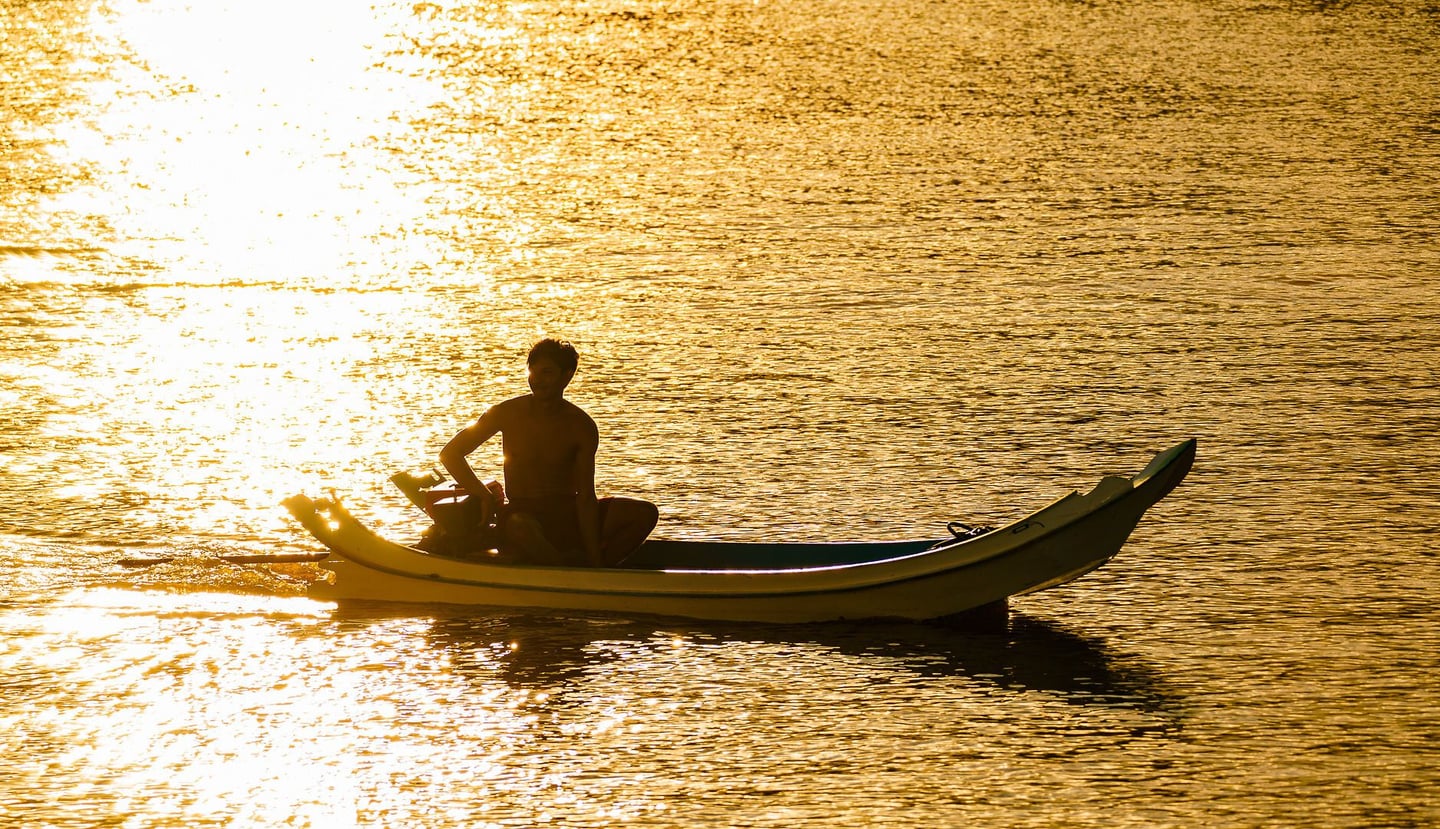
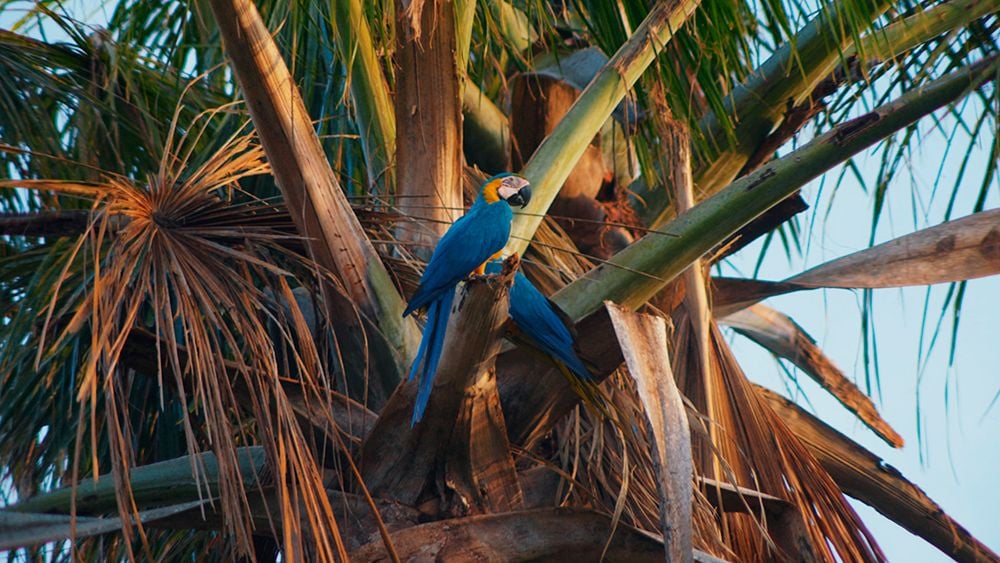
In the late afternoon, the Ninhal das Araras becomes a perfect breeding and nesting site for parrots. Reached by canoe along the Rio Claro, the area comes alive as macaws, parrots, and parakeets return to the trees at dusk, filling the sky in a breathtaking display. Visitors leave not only with memories, but with the feeling that there are places where energy moves us in a different way.