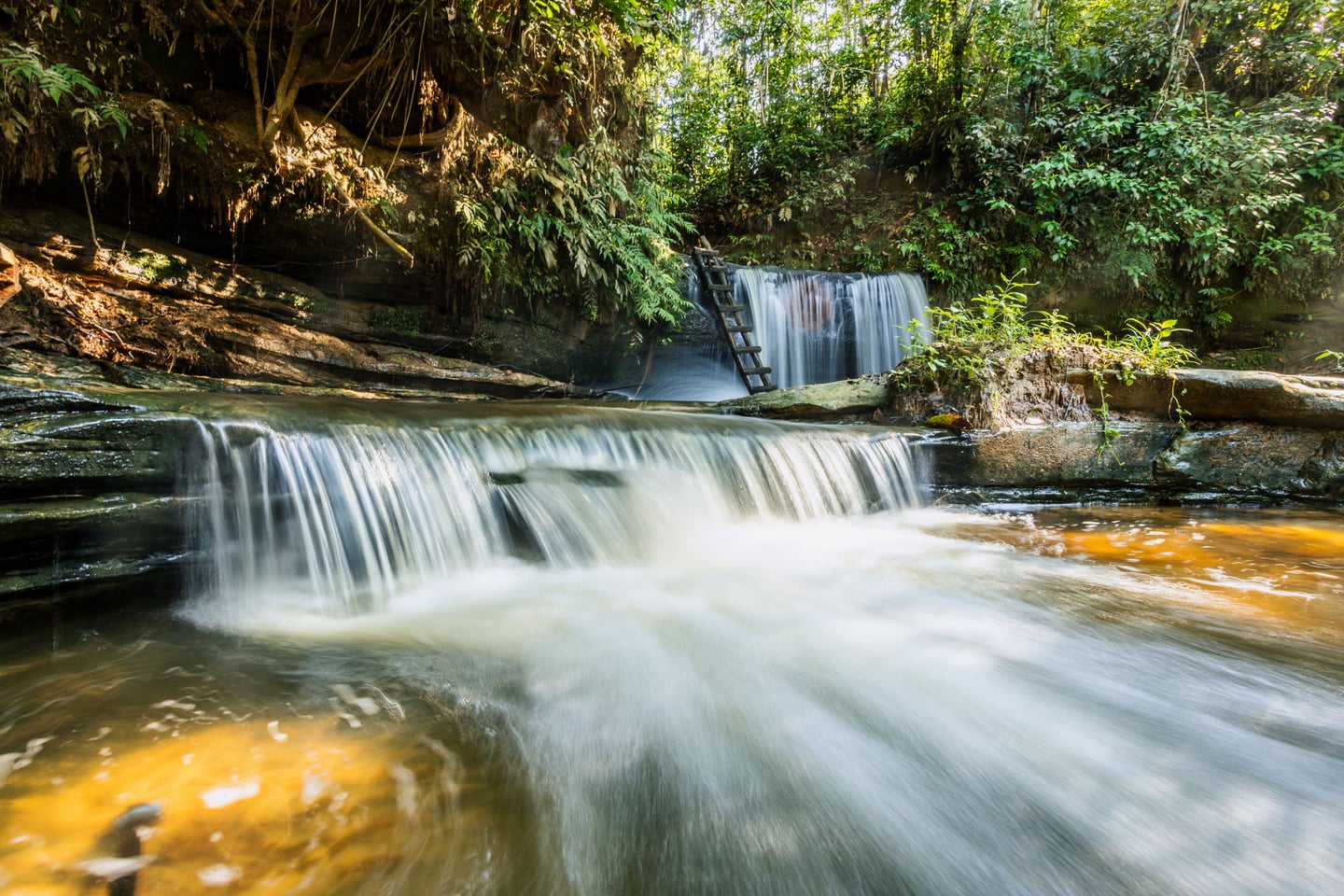
Acre
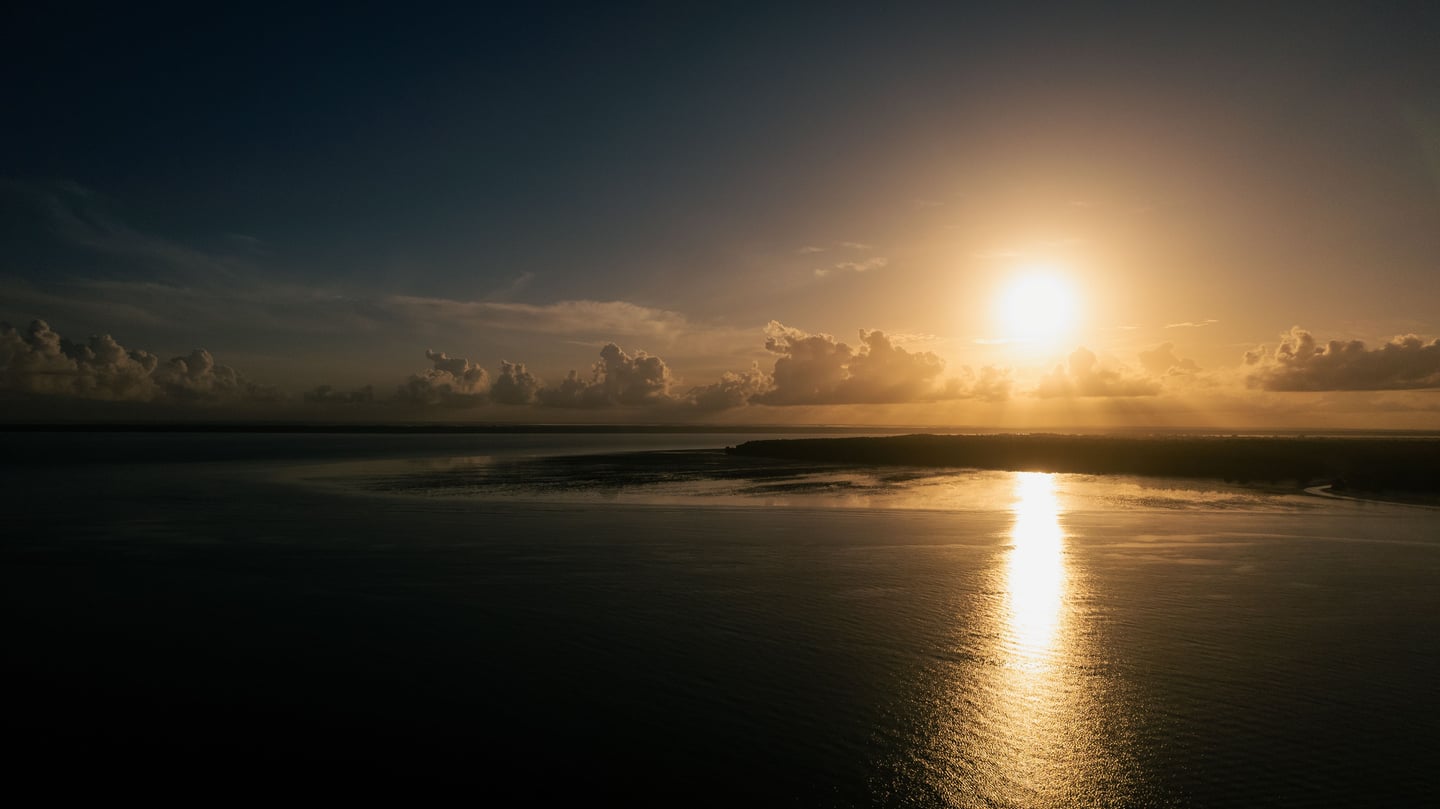
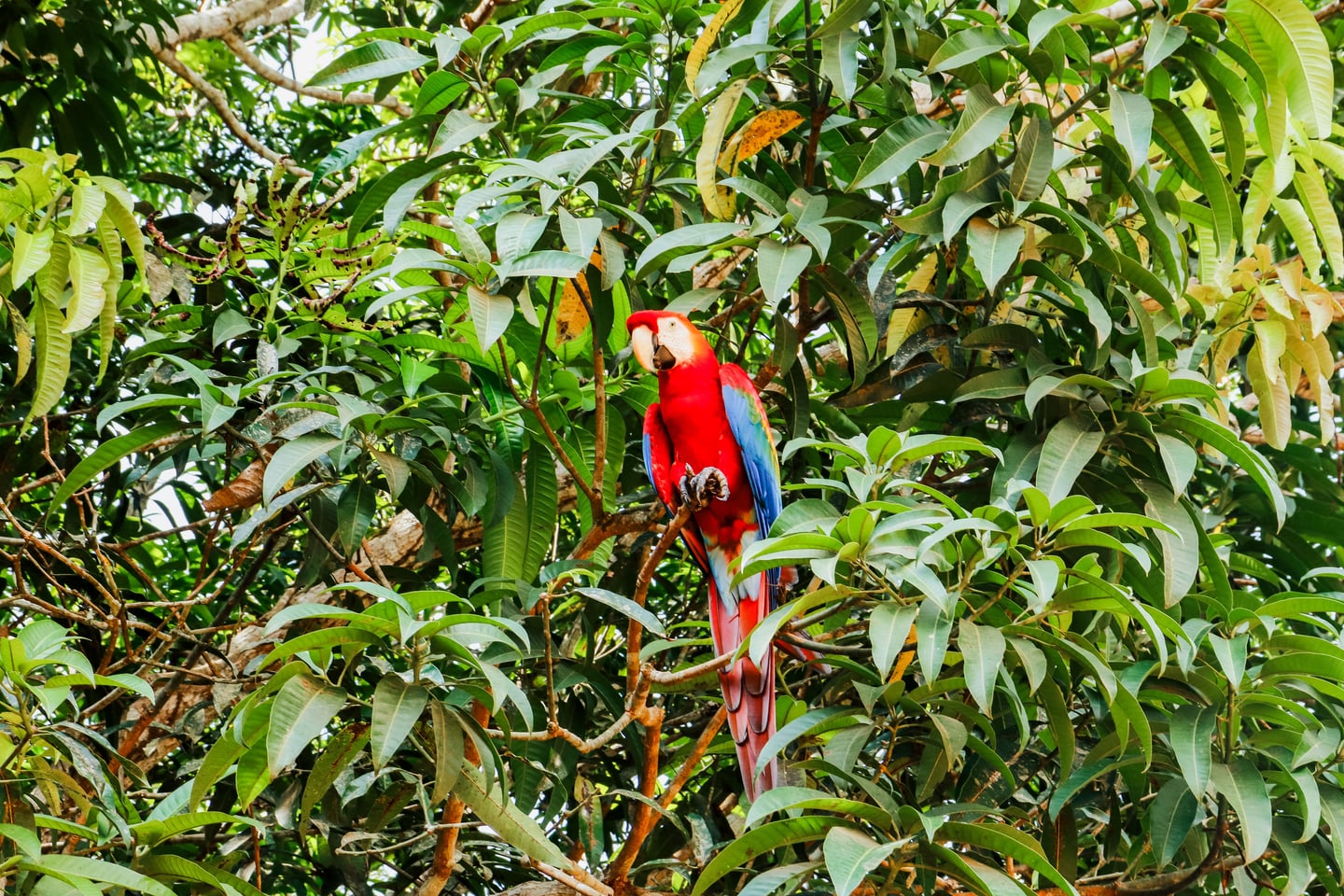
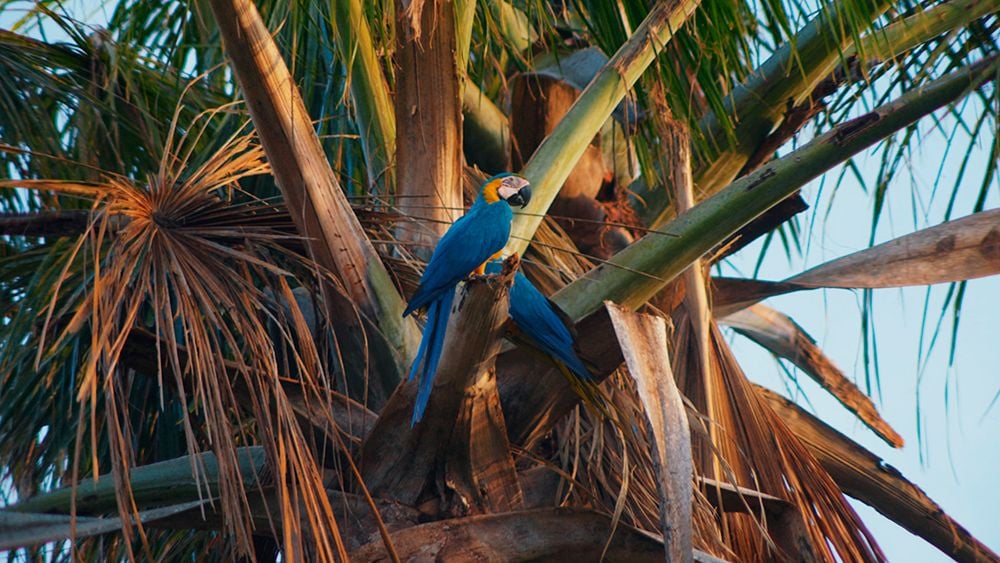
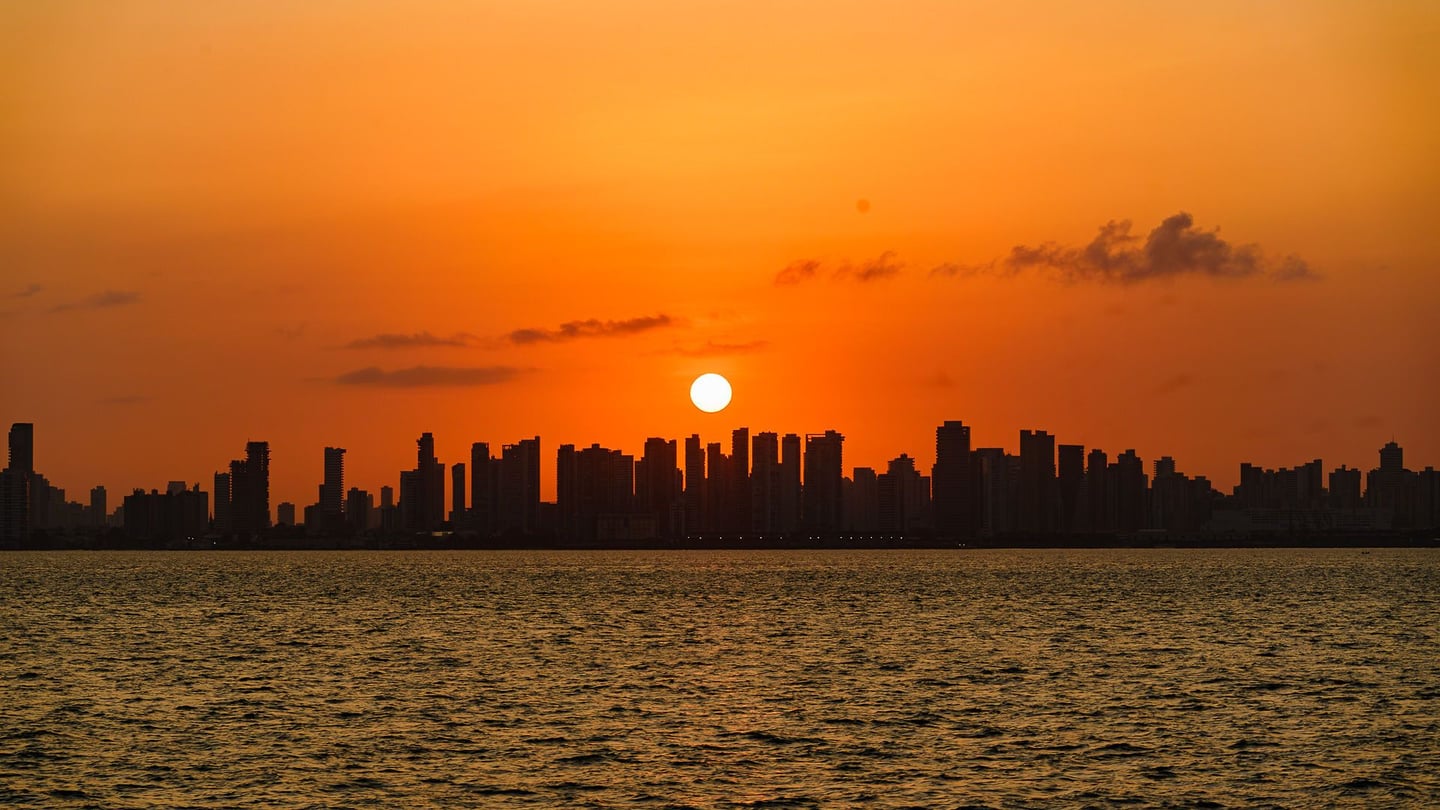
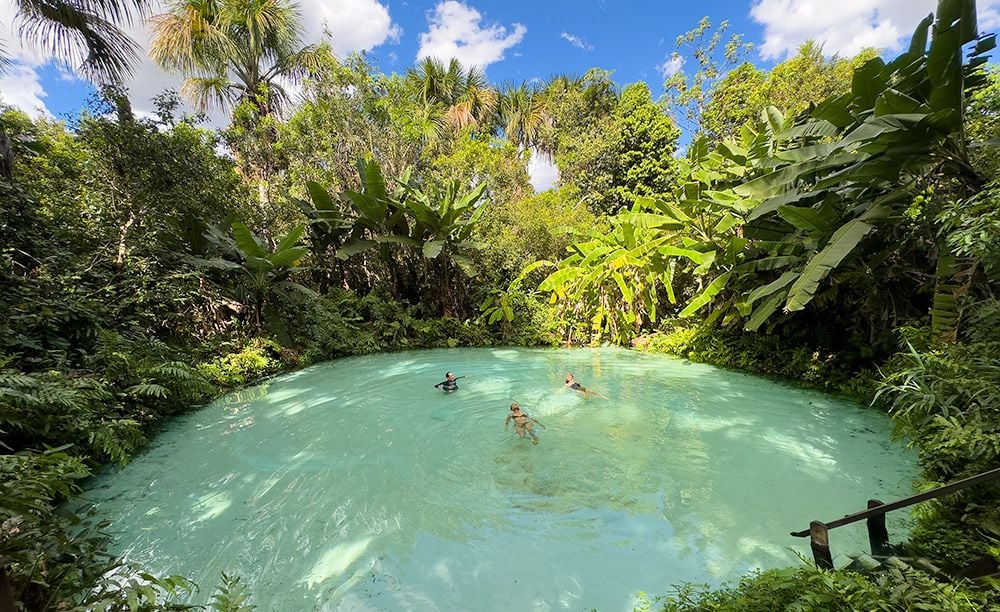
In Brazil’s far west, Acre is the last place in the country to see the sun set. Its Serra do Divisor is one of the most biodiverse places on the planet.


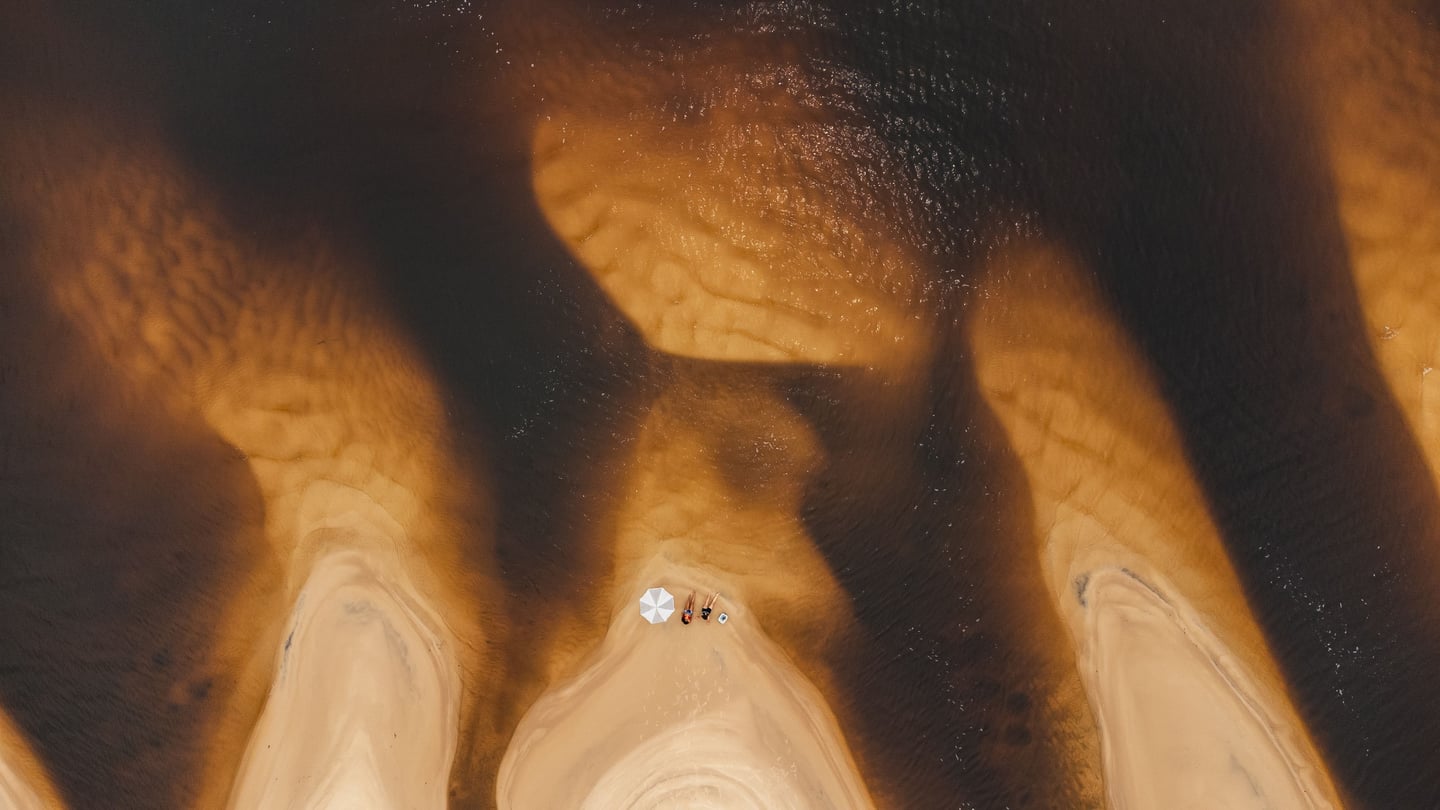
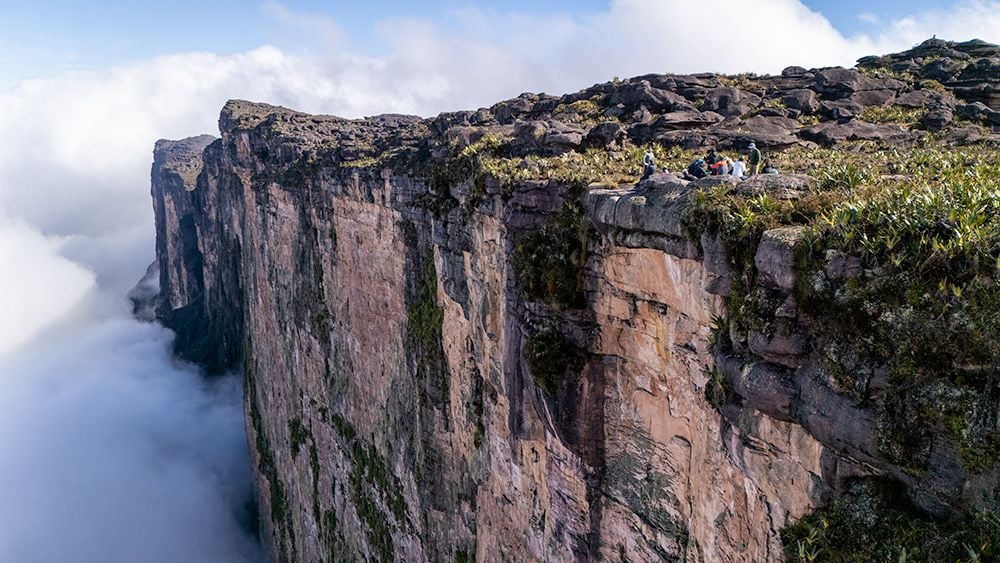
The largest state in Brazil, it is home to Pico da Neblina, the highest peak in the country. It is also where the Meeting of the Waters takes place, where the Negro and Solimões rivers flow side by side.
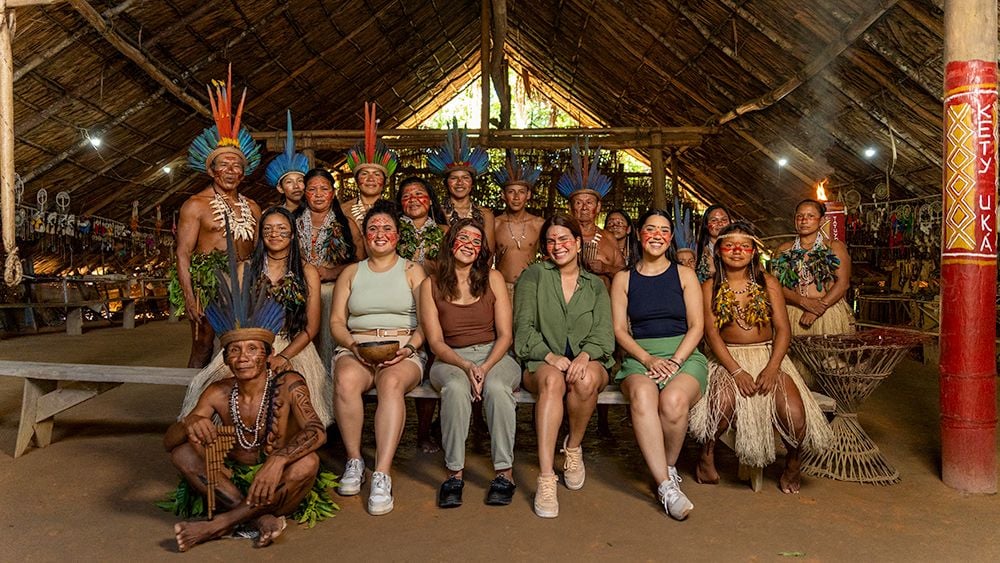
Along the banks of the Rio Negro, Indigenous communities welcome visitors interested in learning about cultural practices and ways of life shaped over generations. This immersion offers a day of connection, learning, and exchange with people who maintain deep relationships with their territory and their ancestors.
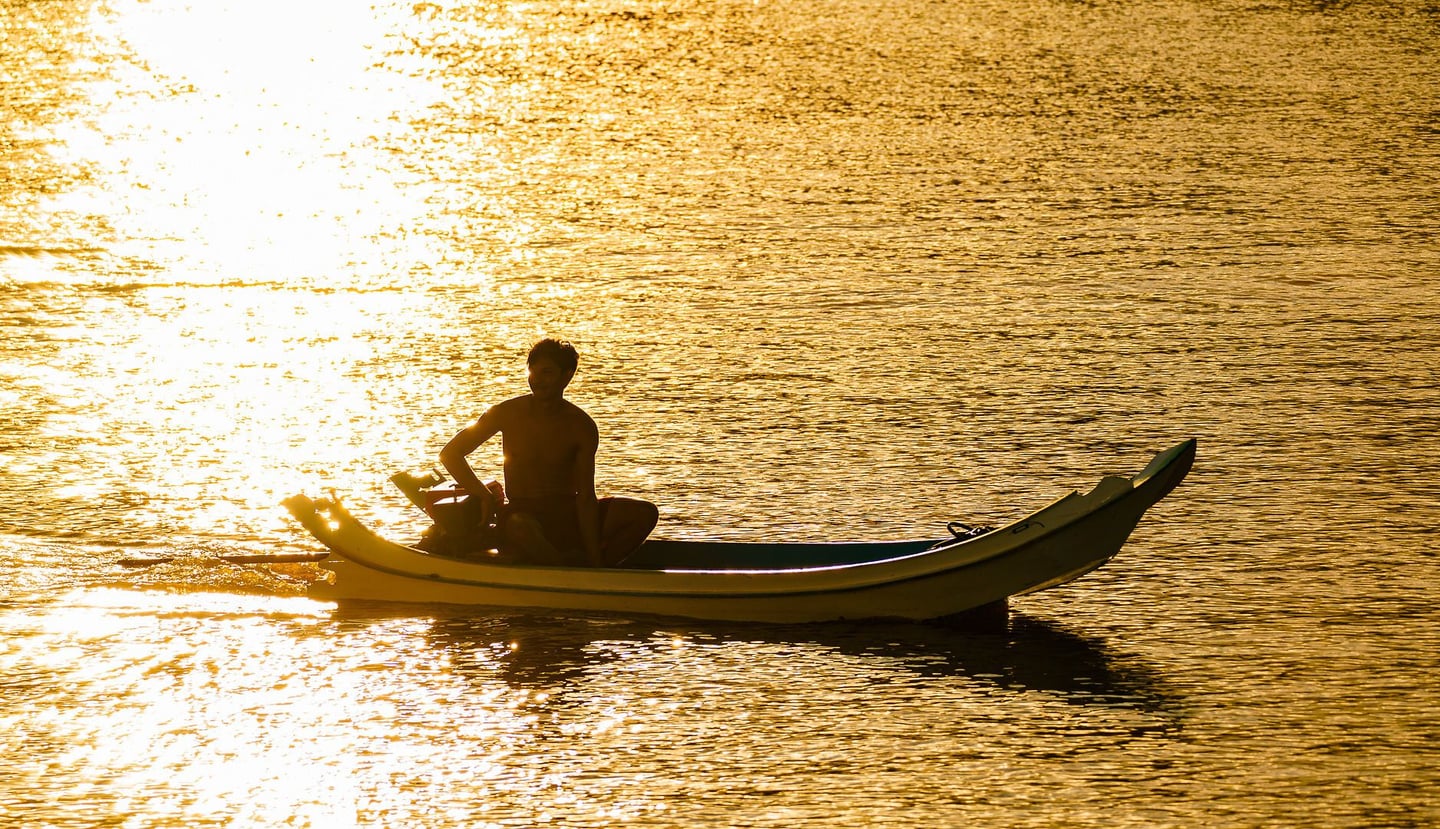
The experience begins in Manaus, where a boat departs along the Rio Negro to communities such as Nova Esperança, Três Unidos, and Tumbira. During the visit, residents share their daily lives and pass on valuable knowledge preserved through oral tradition—such as the use of plants, land management techniques, and the making of handicrafts. Part of the experience includes a guided walk through the forest, led by Indigenous hosts who introduce plant species and explain their uses in food, healing, and the crafting of everyday objects.
Lunch brings together regional ingredients and river fish. Between conversation and contemplation, the dark waters of the Rio Negro meet the visitor like a mirror—reflecting a new openness to understanding the Amazon through those who care for it.
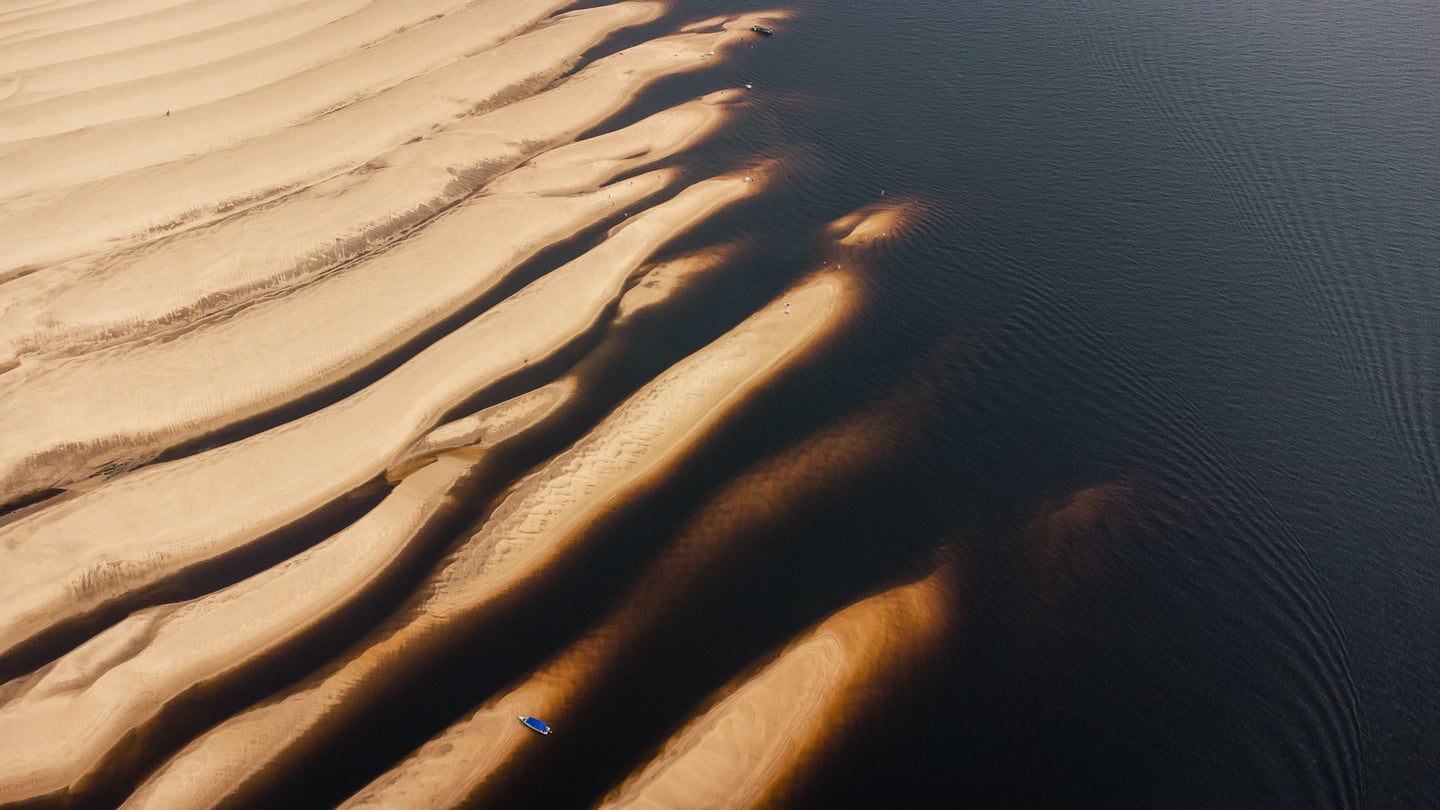
With hundreds of islands scattered along the Rio Negro, Anavilhanas National Park is home to one of the largest river archipelagos in the world. This three-day experience in Novo Airão brings together forest trails, navigation through flooded forests, and encounters with cultural initiatives and local communities.
The journey begins in Manaus and continues by road to Novo Airão, the gateway to the park. The itinerary includes boat trips through the channels of Anavilhanas, guided forest walks, and visits to natural formations such as Pedra do Sanduíche and the Madadá Caves. Along the way, local guides share their lives and knowledge with visitors, offering a worldview in which every element of nature is regarded as an ancient relative.
Encounters along the route include visits to the Makuità community, connected to the Lanawa people, craft workshops with Baré artisans, and the Almerinda Malaquias Foundation—an initiative focused on wood reuse and environmental education. From cassava flour production to handcrafted work with seeds and wood, everything becomes a learning experience. Watching the river dolphins is a spectacle in itself—one to carry with you long after the journey ends.
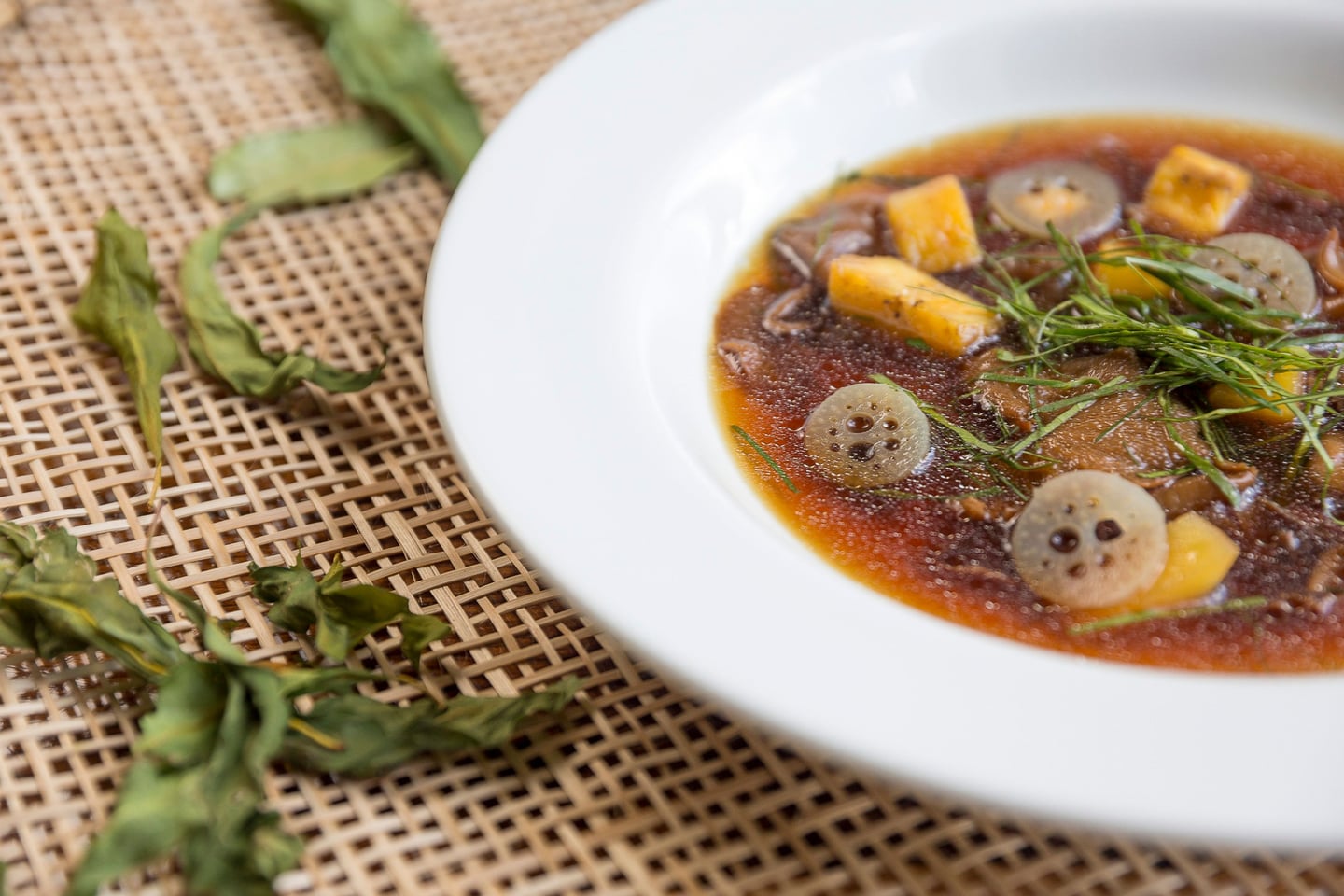
Amazonian cuisine reveals much about the living memory of Indigenous peoples and their eating habits in northern Brazilian culture. Traditional dishes are deeply woven into everyday life. That’s why, on the “Até o Tucupi” Tour, visitors spend around four hours discovering and tasting ingredients, recipes, and preparation techniques that are part of daily life in Manaus.
The experience begins at Largo de São Sebastião, in front of the Amazon Theatre, from where the group walks through the streets and markets of the historic center accompanied by a local guide. The itinerary includes stops at street markets and the Adolpho Lisboa Municipal Market, where fruits, fish, and spices showcase the diversity of ingredients that arrive in the city each day.
Along the way, participants sample traditional dishes such as tacacá, grilled tambaqui, and the x-caboquinho sandwich, as well as açaí served with cassava flour and fried fish. Between tastings, the guide shares stories behind the ingredients—from tucumã and pupunha to preparation techniques using tucupi and jambu. Ancestral knowledge that visitors carry with them, quite literally, on the tip of their tongue.