Acre
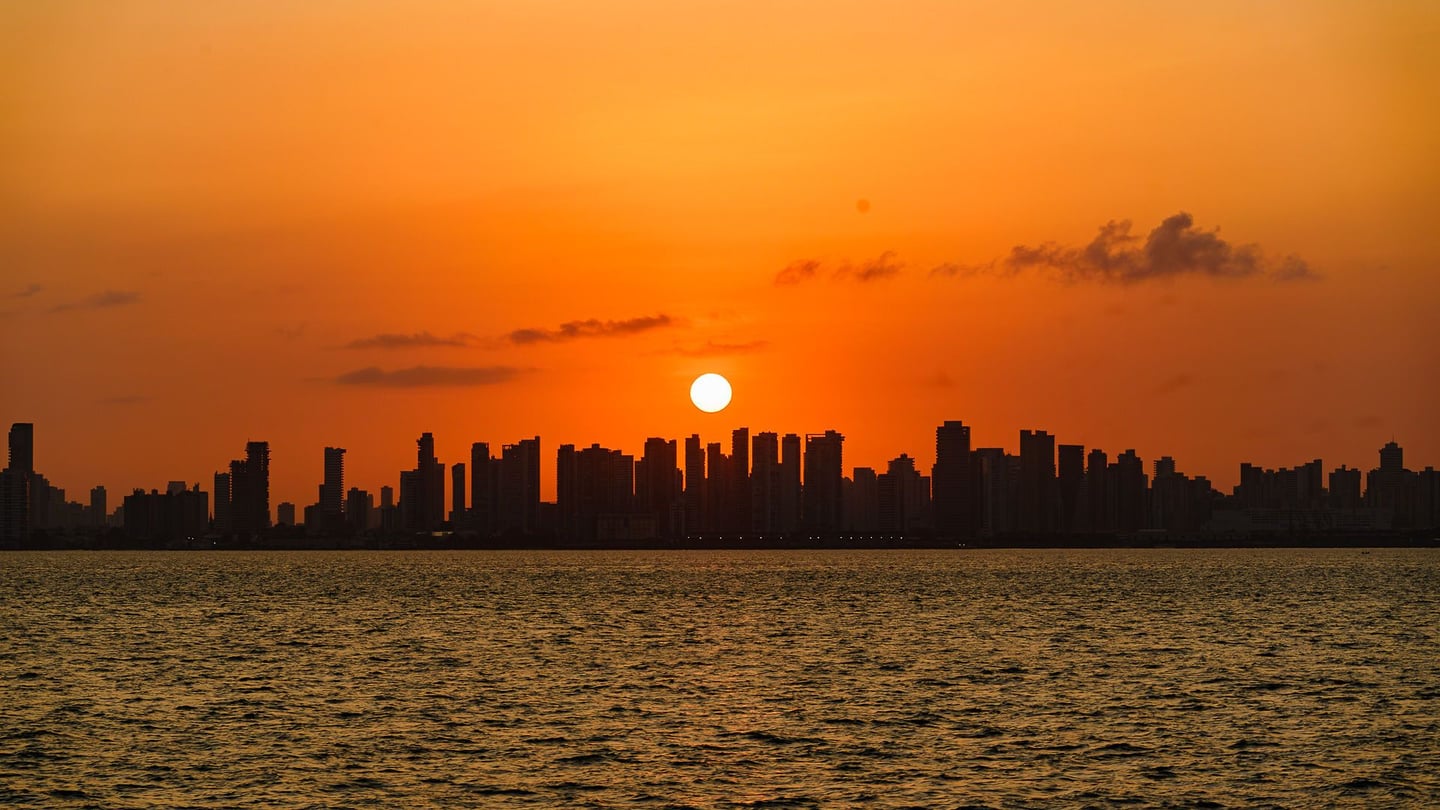
In Brazil’s far west, Acre is the last place in the country to see the sun set. Its Serra do Divisor is one of the most biodiverse places on the planet.


In the capital, Macapá, you can stand with one foot in each hemisphere. On the border with French Guiana, Oiapoque illustrates Brazil’s vastness, bringing to life the expression “from Oiapoque to Chuí.”
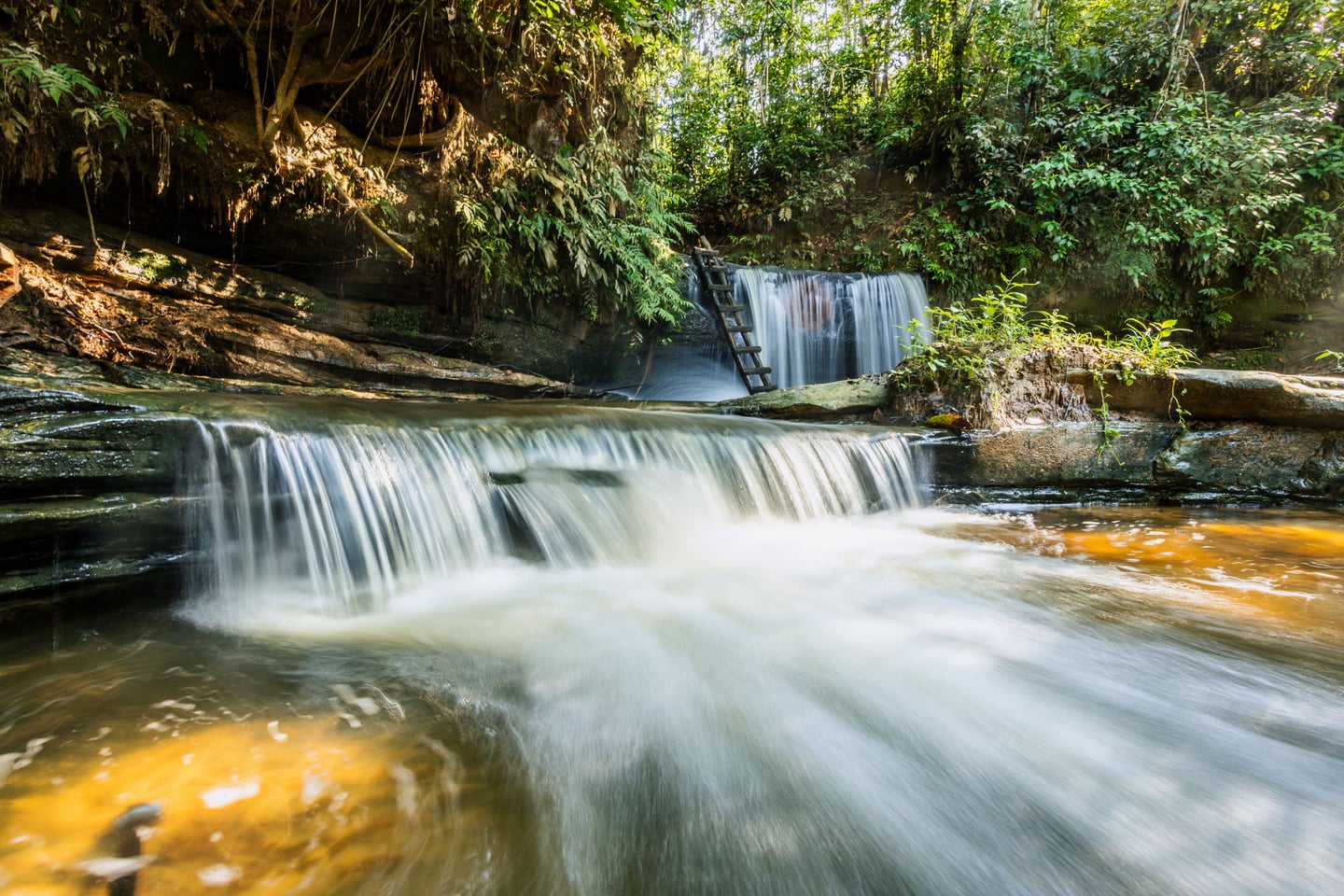
Covering around 8.8 million hectares, the Montanhas do Tumucumaque National Park is the largest tropical rainforest national park in the world. This four-day experience invites visitors to explore rivers and trails while discovering Amazonian landscapes up close.
The journey begins in Macapá, a city crossed by the Equator. From there, the route continues overland to Serra do Navio, where riverside communities live closely connected to the rivers. The itinerary includes meals prepared by local residents, visits to traditional cassava flour houses, and moments of exchange that reveal everyday Amazonian practices and knowledge.
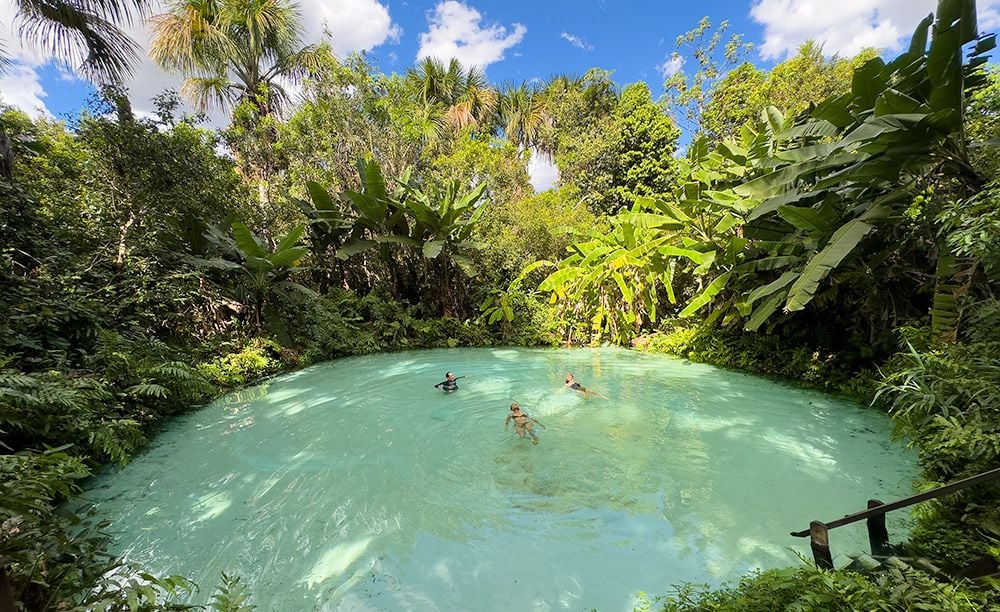
In the following days, the journey moves deeper into the park. Interpretive trails, forest walks, and swims in waterfalls are all part of the experience. Between the sound of flowing water and the Amazon’s heat, you become increasingly present—entering, at last, into the sensory world of the forest and the people who live alongside it.
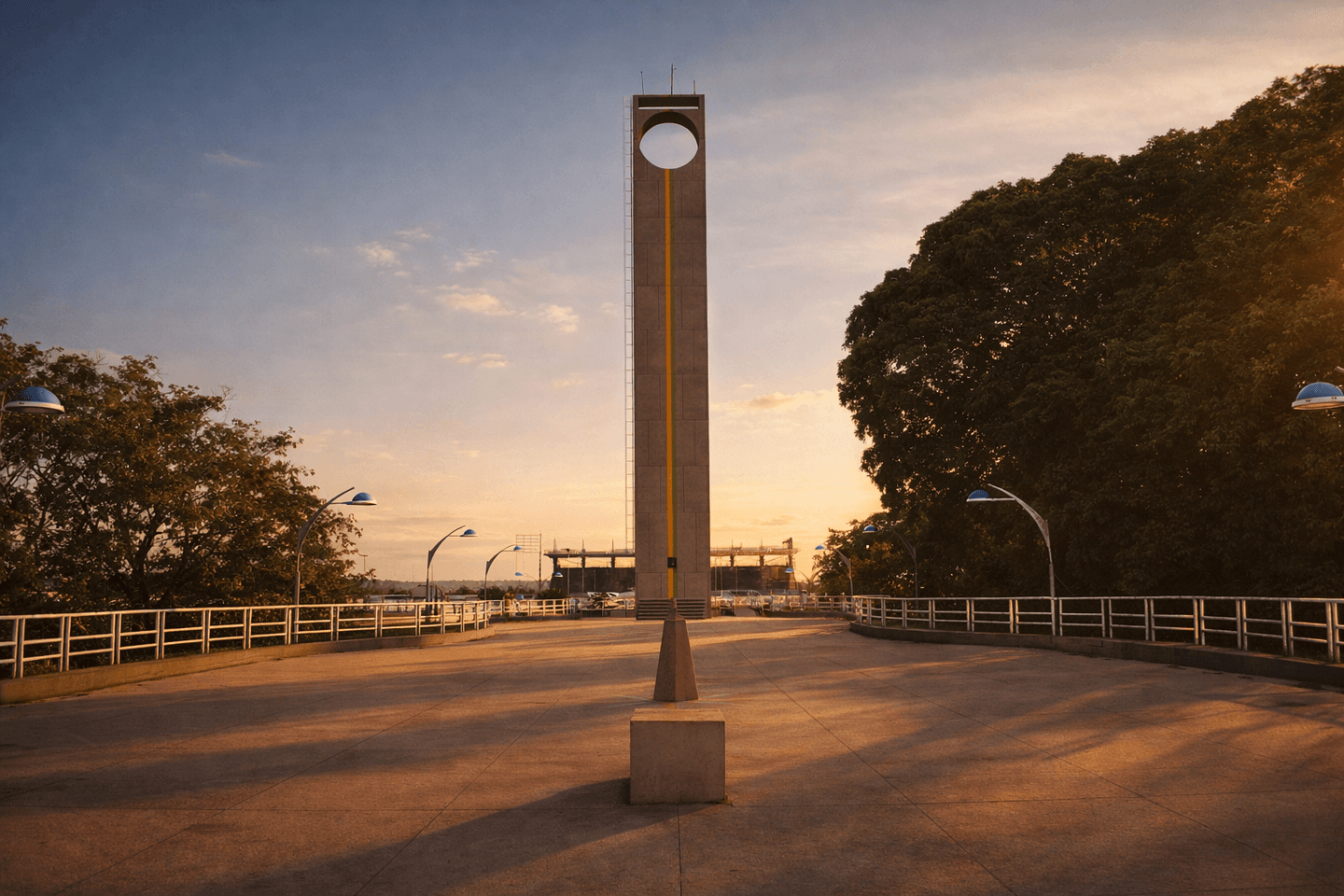
There is a place in northern Brazil where the geography of the planet can be felt in your own body. The Equator Landmark marks the passage of the imaginary line that divides the Earth between the Northern and Southern Hemispheres. Inaugurated in 1987, the monument features an obelisk about 30 meters high and an open space that invites visitors and locals to walk across both sides.
One of the most remarkable experiences takes place during the equinoxes, in March and September, when the sun aligns with the circular opening at the top of the obelisk. At that moment, sunlight passes through the structure and touches exactly the Equator line marked on the ground. These dates often bring together visitors for cultural activities celebrating astronomy, territory, and urban life.
As you walk through the space, you can cross between hemispheres in just a few steps, like a playful hopscotch. Beneath the clear equatorial sky, the light shifts slowly throughout the day—a reminder that the planet is always in motion, and that the Amazon’s tides meet Macapá with a quiet sense of wonder.
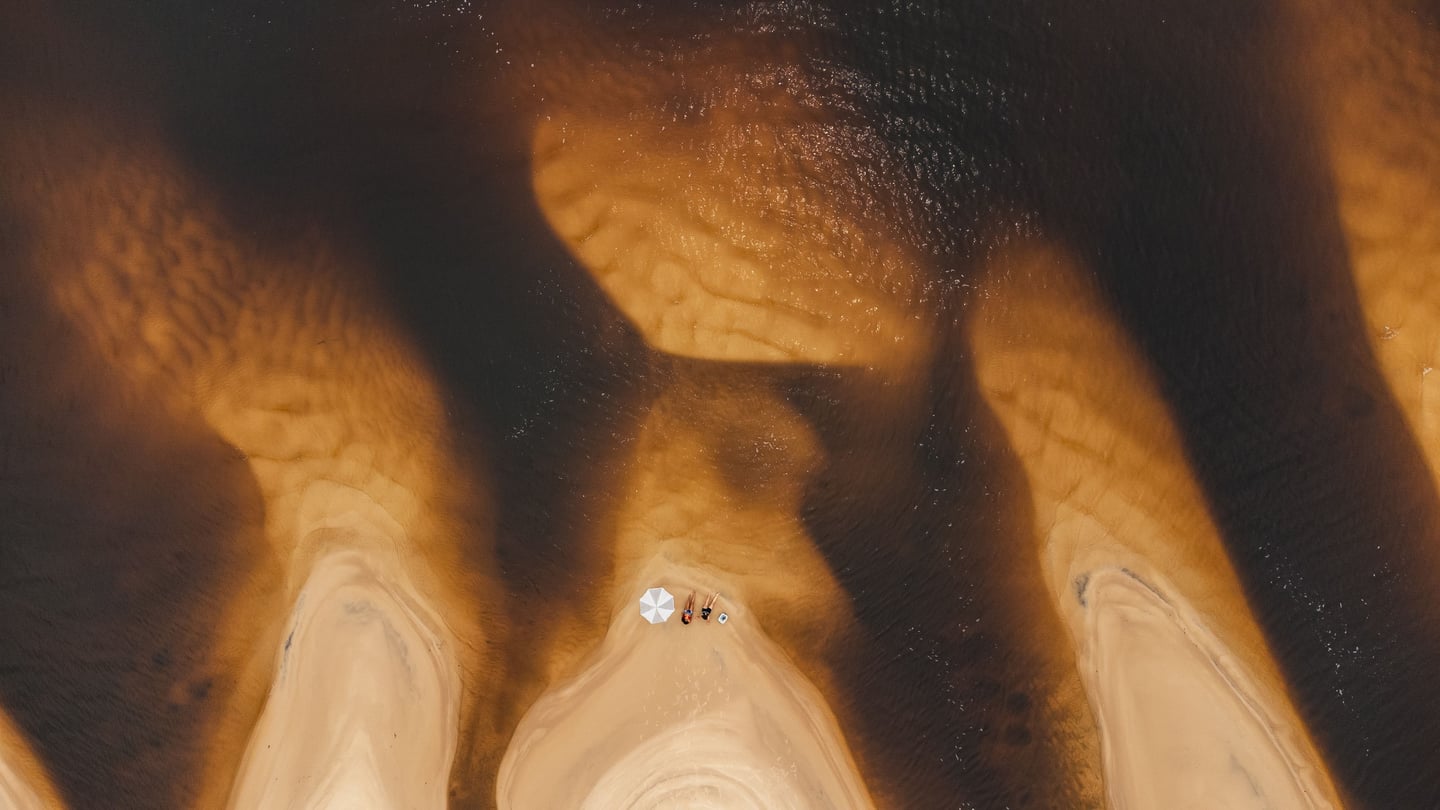
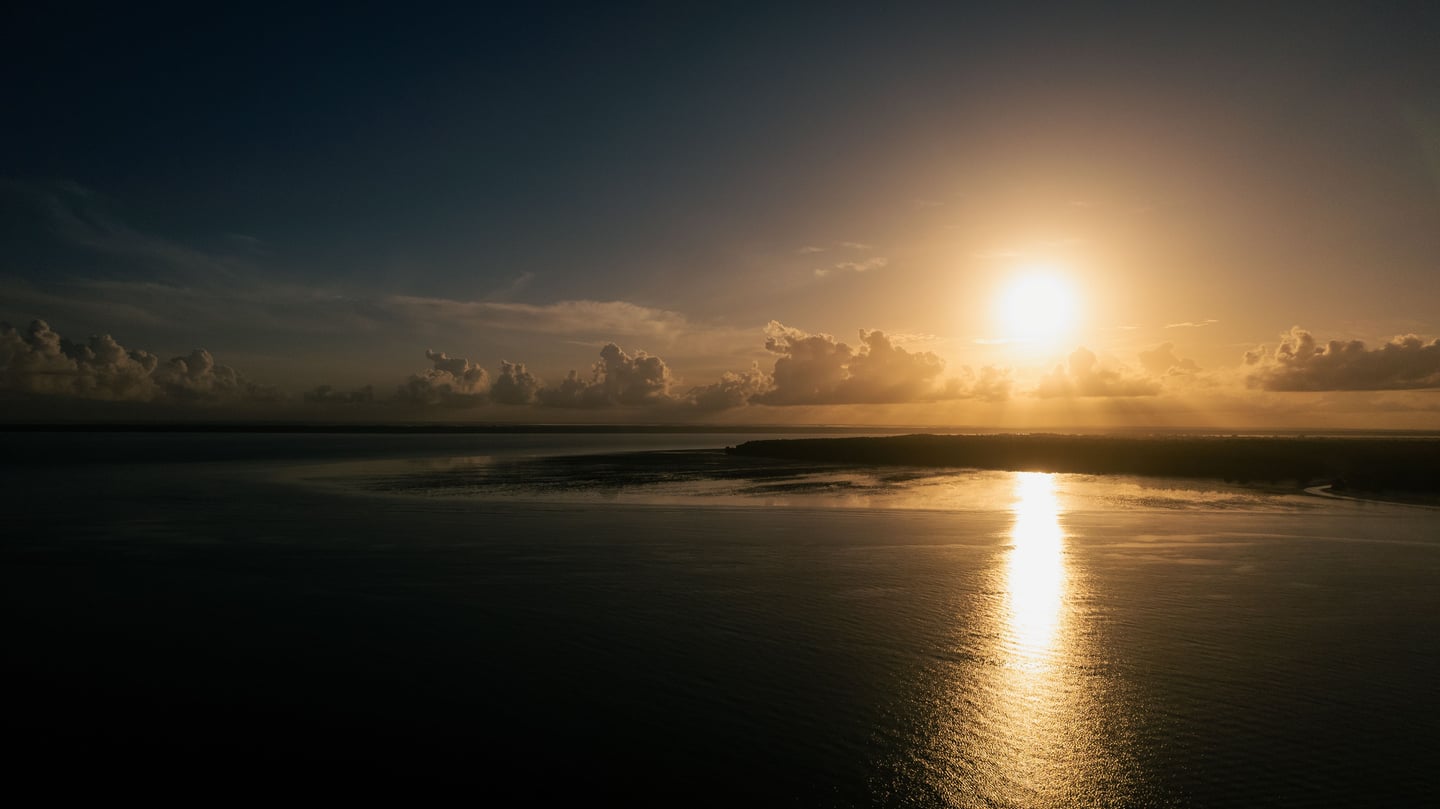
Fresh water meets salt water in Cabo Orange National Park. Established in 1980 and located between the municipalities of Oiapoque and Calçoene, the park protects a vast area of mangroves, flooded plains, and seasonally inundated forests. In this coastal region of the Amazon, the tides shape the daily life of communities who help preserve a rich diversity of birds, fish, and aquatic mammals.
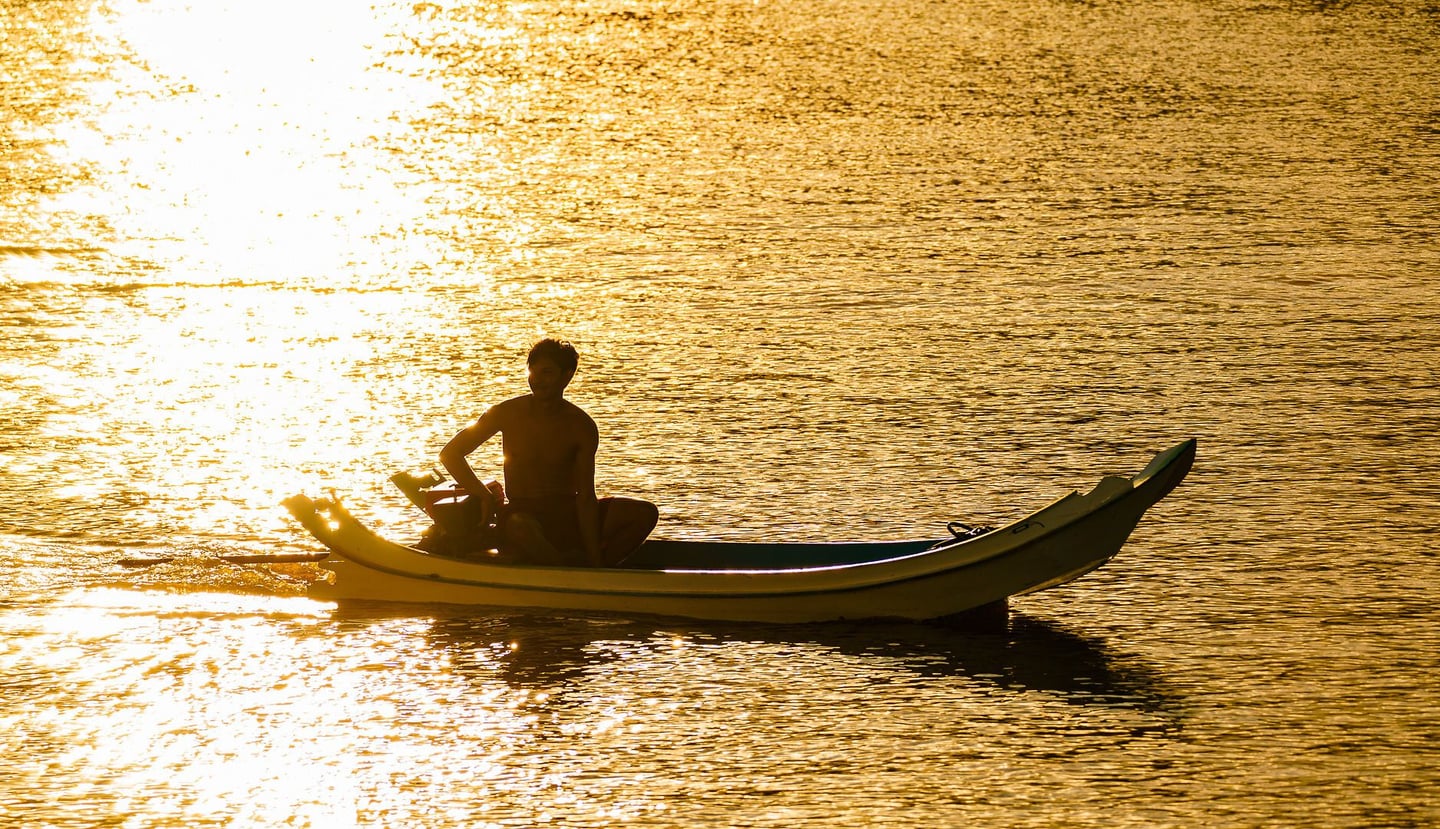
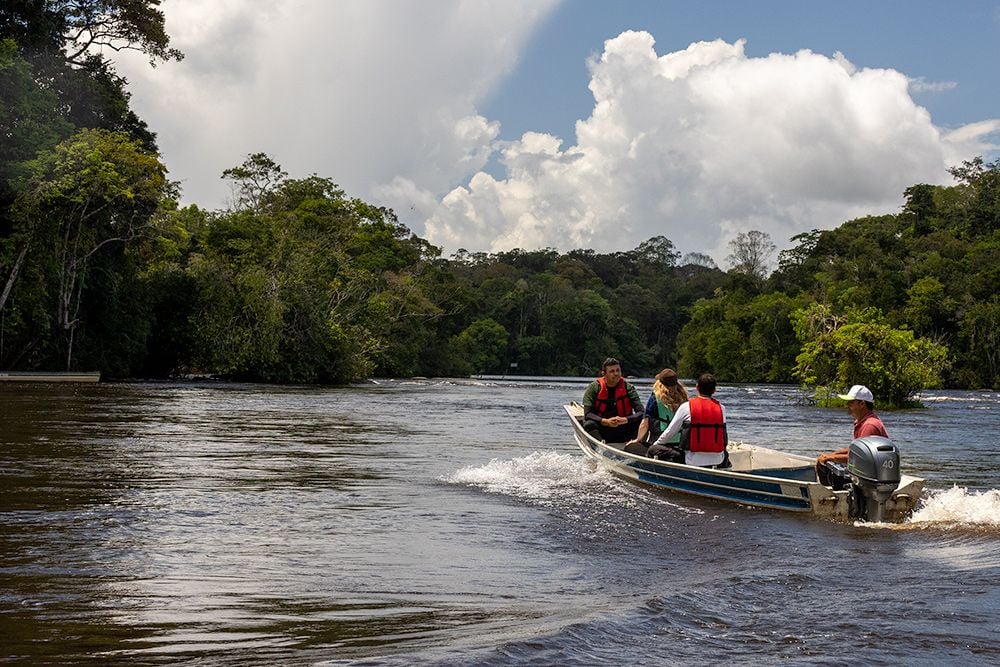
One of the most common experiences begins with a journey from Macapá to the northern part of the state, followed by a boat trip along the region’s rivers—especially the Cassiporé River, the main access route to the park. The navigation leads to riverside communities near the protected area and to viewpoints overlooking the coastal landscape. Guided tours include short walks through mangrove areas, birdwatching, and observing the rhythm of the tides as they transform the scenery throughout the day.
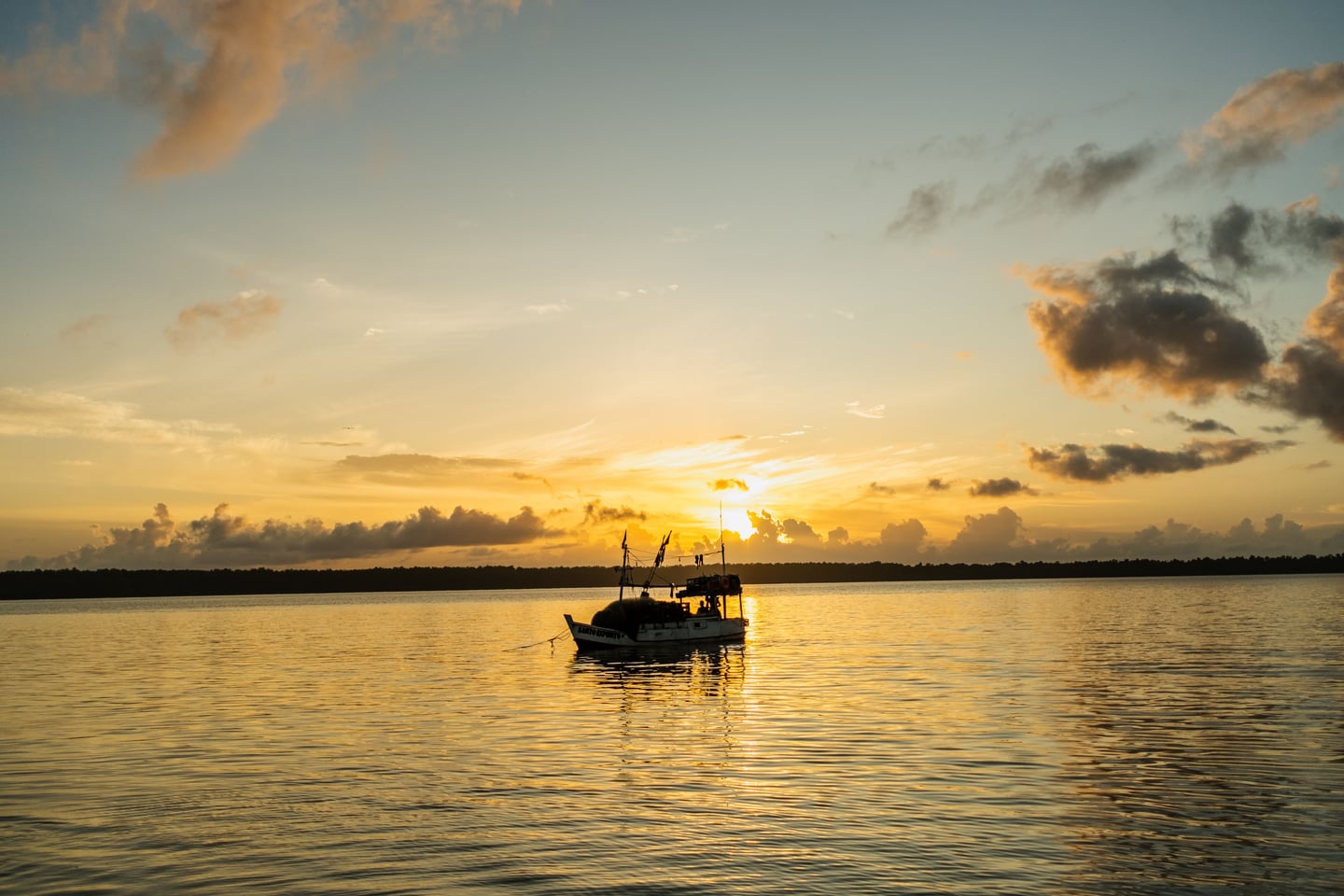
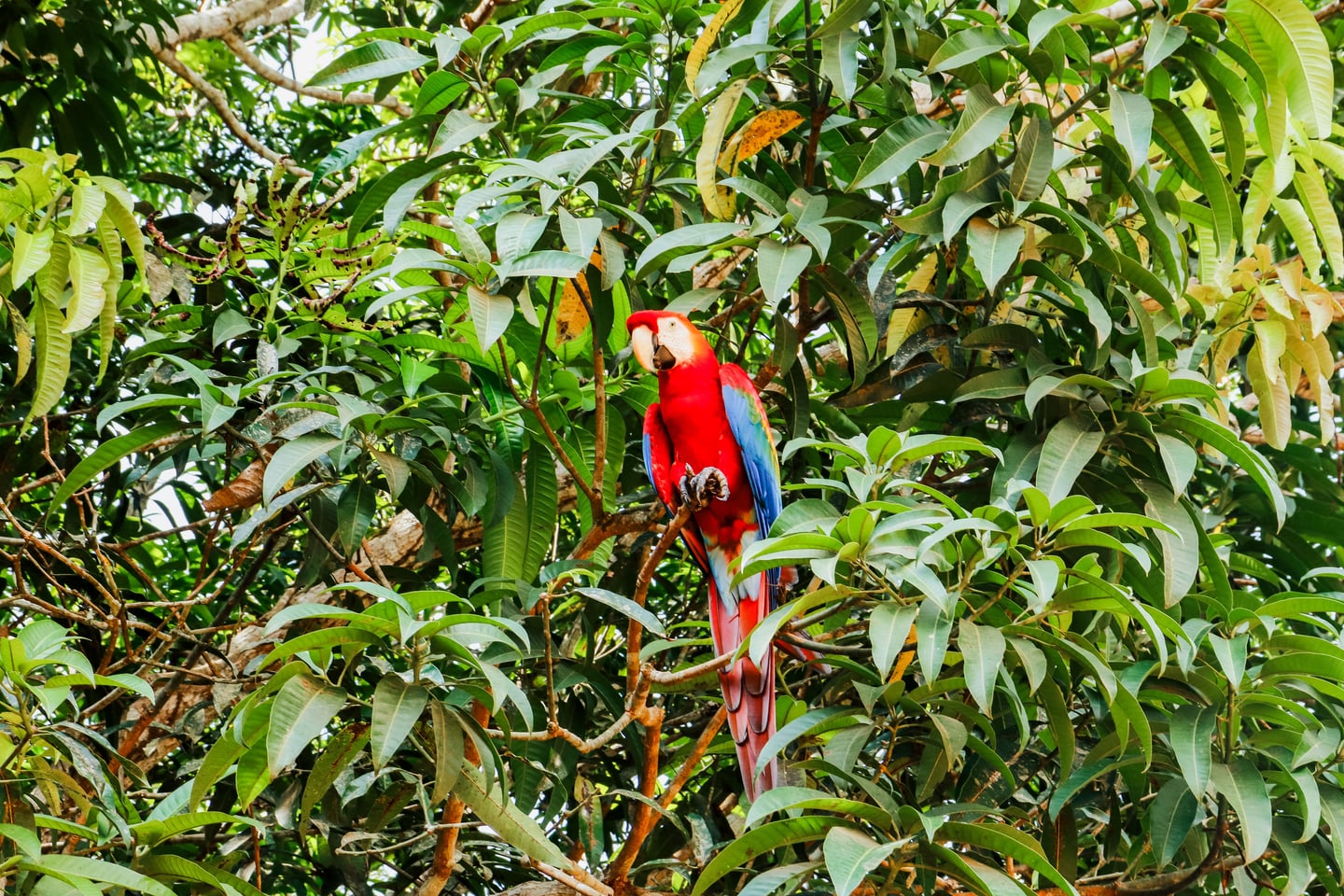
By late afternoon, the sky opens over the flooded fields, and the ocean breeze gently moves the surface of the water. In the mangroves, scarlet ibises and herons display their graceful flights—moments visitors are quick to capture and never forget.